Introduction
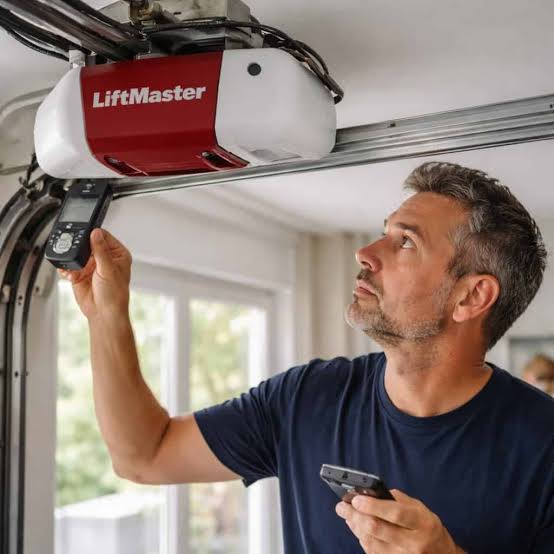
There are few things more frustrating than rushing to leave for work or returning home late at night, only to find that your garage door refuses to budge. If you are staring at a silent motor and thinking, “My Lift Master garage door opener is not working,” you are not alone. This is one of the most common household issues faced by homeowners across the US, but the good news is that most causes are simple to diagnose and fix without calling a professional immediately.
In this guide, we will walk you through systematic troubleshooting steps based on industry standards and manufacturer guidelines. Whether it’s a simple power issue, a misaligned sensor, or a remote control glitch, we have got you covered. Let’s get your garage door back in action safely and efficiently.
1. Is the Unit Getting Power? Check the Basics First
Before diving into complex mechanical repairs, we must rule out the simplest culprit: electricity. A significant percentage of “broken” openers are simply unplugged or tripped from a power surge.
Steps to Verify Power Supply:
- Check the Outlet: Plug a lamp or phone charger into the same outlet where the opener is plugged in. If the device doesn’t work, the issue is with your home’s electrical circuit, not the opener.
- Inspect the Circuit Breaker: Go to your main electrical panel. Look for any tripped breakers labeled “Garage” or “Outlet.” Reset them if necessary.
- Examine the Power Cord: Ensure the cord is firmly seated in the back of the motor unit. Sometimes, vibrations from the door operating can loosen the connection over time.
Pro Tip: If your LiftMaster model has a battery backup (common in newer Wi-Fi enabled models), check if the battery indicator light is flashing red. A dead backup battery can sometimes prevent operation during a power fluctuation.
2. Why Are the Safety Sensors Blocking the Door?
Modern garage door openers are equipped with infrared safety eyes (sensors) located near the floor on both sides of the door. These are mandated by federal safety standards to prevent the door from closing on people, pets, or objects. If these sensors are misaligned or obstructed, the door will refuse to close, and often, refuse to open as well.
How to Align and Clean Sensors:
- Look for the Lights: One sensor should have a steady green light (power), and the other should have a steady amber or yellow light (alignment). If either is blinking or off, there is an issue.
- Clean the Lenses: Use a soft, dry cloth to wipe away dust, spiderwebs, or dirt from the sensor lenses. Even a thin layer of grime can block the infrared beam.
- Check Alignment: The sensors must face each other directly. Gently adjust the brackets until both lights turn solid. You should hear a click when they are perfectly aligned.
According to the Consumer Product Safety Commission, automatic reverse mechanisms and sensors are critical safety features that must never be bypassed. If your sensors are damaged, replace them immediately rather than attempting to disable them.
3. Are Your Remote Controls or Keypad Programmed Correctly?
If the wall button works but the remote does not, the issue lies in the signal transmission, not the motor itself. Interference from LED bulbs, neighboring frequencies, or depleted batteries are common causes.
Troubleshooting Remote Issues:
- Replace Batteries: This seems obvious, but weak batteries are the #1 cause of remote failure. Use high-quality alkaline batteries.
- Check for LED Interference: Some energy-efficient LED light bulbs emit electromagnetic interference that disrupts the radio frequency of garage remotes. Try turning off the garage light bulb and testing the remote. If it works, switch to a branded “garage door compatible” LED bulb.
- Reprogram the Remote:
- Locate the “Learn” button on the motor unit (usually colored yellow, purple, or red).
- Press and release the Learn button. The indicator light will blink.
- Within 30 seconds, press and hold the button on your remote until the opener lights flash or you hear two clicks.
4. Is the Manual Lock Engaged?
Many LiftMaster openers feature a manual lock mode, often activated by a physical lock switch on the wall console or a specific button sequence. If this is engaged, the opener is electronically disabled to prevent unauthorized access.
- Check the Wall Console: Look for a “Lock” icon or button. Press it to toggle the lock off.
- Physical Slide Lock: Older doors may have a manual slide bolt on the track. Ensure this is disengaged before attempting to use the motor.
5. Mechanical Issues: Chains, Belts, and Gears
If the motor hums but the door doesn’t move, or if it makes a grinding noise, you likely have a mechanical failure. LiftMaster openers typically use either a chain, belt, or screw drive.
Common Mechanical Failures:
| Component | Symptom | Likely Cause |
|---|---|---|
| Chain/Belt | Motor runs, door stays still | Broken sprocket or disconnected trolley |
| Gears | Grinding noise, slow movement | Worn plastic drive gears (common in older units) |
| Springs | Door is heavy, opener strains | Broken torsion or extension springs |
Warning: Never attempt to repair broken garage door springs yourself. They are under extreme tension and can cause severe injury or death. Always call a certified technician for spring repairs.
For chain-driven models, check the tension. There should be about 1/2 inch of slack in the chain. If it’s too loose, tighten it using the adjustment bolts on the trolley. For belt drives, inspect for cracks or fraying.
6. When to Call a Professional vs. DIY
Knowing when to stop troubleshooting is crucial for safety and cost-effectiveness. Here is a quick comparison to help you decide.
DIY Fixes vs. Professional Help
You Can DIY If:
- The issue is related to remote batteries or programming.
- The safety sensors are misaligned or dirty.
- The unit is unplugged or a breaker is tripped.
- You need to lubricate moving parts (use silicone-based lubricant, not WD-40).
Call a Pro If:
- You hear loud grinding or snapping noises.
- The garage door springs are broken or detached.
- The motor runs but the door doesn’t move (internal gear failure).
- The door falls rapidly when manually lifted.
- You are uncomfortable working with electrical components or heavy machinery.
FAQ Section
Q1: Why does my LiftMaster garage door open but not close?
This is almost always a safety sensor issue. Check if the sensor lights are blinking. If they are, realign them so both lights are solid. Also, ensure nothing is blocking the beam path. If the sensors are fine, check the travel limit settings on the motor unit.
Q2: How do I reset my LiftMaster garage door opener?
To reset the opener’s memory, locate the “Learn” button on the motor head. Press and hold it for approximately 6–10 seconds until the indicator light turns off. This erases all paired remotes and keypads. You will need to reprogram all your devices afterward.
Q3: My garage door reverses immediately after hitting the floor. What’s wrong?
This indicates that the “down force” or “travel limit” is set incorrectly. The opener thinks it has hit an obstruction. Locate the adjustment screws on the motor unit (usually marked with arrows). Turn the “down” adjustment screw slightly to increase the force or travel distance. Test in small increments.
Q4: Can I use any remote with my LiftMaster opener?
No. LiftMaster uses different security codes and frequencies depending on the model year. Newer models use Security+ 2.0 rolling code technology. You must use a remote compatible with your specific model series. Check the label on your motor unit for the model number and buy a compatible universal remote or OEM replacement.
Q5: Why is my LiftMaster opener making a buzzing sound but not moving?
A buzzing sound usually means the motor is receiving power but cannot turn. This could be due to a locked manual release, a broken gear inside the motor housing, or a seized bearing. If the manual release cord is pulled, the door is disconnected from the motor. Re-engage it by pulling the handle toward the door. If it persists, internal gears may need replacement.
Q6: How often should I maintain my garage door opener?
Experts recommend performing a basic maintenance check every six months. This includes testing the auto-reverse feature, lubricating the chain or screw drive, tightening hardware, and cleaning the safety eyes. Regular maintenance can extend the life of your opener by 5–10 years.
Conclusion
Dealing with a non-functional garage door is stressful, but understanding the root cause can save you time and money. By systematically checking power sources, safety sensors, remote controls, and mechanical components, you can resolve most issues related to the phrase “My Lift Master garage door opener is not working” on your own.
Remember, safety is paramount. Never bypass safety features, and always call a professional for spring-related issues. If you found this guide helpful, please share it with friends or neighbors who might be struggling with their garage doors. A well-maintained garage door ensures security and convenience for your entire family.
Stay safe, and keep your garage moving!
Leave a Reply