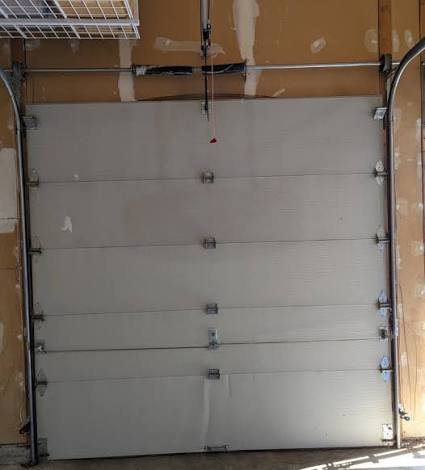
Introduction
There is nothing quite as frustrating as watching your garage door begin its descent, only to hesitate and reverse back up for no apparent reason. If you find yourself thinking, “My garage door starts to close then goes back up,“ you are not alone—this is one of the most common issues homeowners face with their automatic openers. While it can feel like a major mechanical failure, the cause is often a simple safety feature triggered by minor obstructions or misalignments. In this guide, we will walk you through exactly why this happens and how to fix it safely and effectively, saving you time and money on unnecessary service calls.
Why Does My Garage Door Reverse Immediately?
Before diving into repairs, it is crucial to understand why your garage door behaves this way. Modern garage door openers are equipped with mandatory safety mechanisms designed to prevent injury and property damage. According to federal safety standards established in the United States, all residential garage door openers manufactured after 1993 must include two primary safety features: photo-eye sensors and an auto-reverse mechanism.
When your door starts to close and then reverses, it is essentially “telling” you that it detects an obstacle or a malfunction in its safety system. This is not necessarily a defect; rather, it is the system working as intended to protect your family, pets, and vehicles. However, when these sensors become overly sensitive or misaligned, they trigger false positives, causing the annoying reversal cycle.
The Role of Photo-Eye Sensors
The most common culprit behind the phrase “my garage door starts to close then goes back up” is the photo-eye sensor. These small devices are installed near the bottom of your garage door tracks, usually about six inches off the ground. They emit an invisible beam of light across the doorway. If anything breaks this beam—even a leaf, a shadow, or a speck of dust—the opener assumes an object is in the way and immediately reverses the door.
| Sensor Status | Indicator Light Color | Meaning |
|---|---|---|
| Normal Operation | Solid Green (Sending) & Solid Amber/Green (Receiving) | Beam is aligned and unobstructed. |
| Misaligned | Blinking or Off | The eyes are not pointing at each other. |
| Obstructed | Blinking | Dirt, spiderwebs, or objects blocking the lens. |
| Wiring Issue | No Light | Power supply or wire connection failure. |
Step-by-Step Troubleshooting Guide
If you are ready to stop asking “why does my garage door start to close then go back up” and start fixing it, follow these detailed steps. Always prioritize safety: disconnect the opener from power before handling any wires or mechanical components.
1. Check and Clean the Safety Sensors
Start with the easiest fix. Over time, sensors accumulate dirt, cobwebs, and grime that can interfere with the infrared beam.
- Locate the sensors: Find the two small units on either side of the garage door track near the floor.
- Inspect the lights: Look at the LED indicators. One should be solid green (the sending eye), and the other should be solid amber or green (the receiving eye). If the receiving eye is blinking, the beam is broken.
- Clean the lenses: Use a soft, dry microfiber cloth to gently wipe the lens of both sensors. Avoid using chemical cleaners that might leave a residue.
- Remove obstructions: Ensure there are no boxes, bikes, or trash cans blocking the path between the sensors. Even a thin layer of snow or ice in winter can break the beam.
2. Realign the Misaligned Sensors
If cleaning doesn’t work, the sensors may have been bumped out of alignment. This is extremely common if someone accidentally kicks them or if the garage vibrates heavily.
- Loosen the wing nut: Each sensor is held in place by a bracket with a wing nut or screw. Loosen it just enough so you can move the sensor.
- Adjust the angle: Gently adjust the sensor until the LED light on the receiving eye turns from blinking to solid. You may need a helper to watch the light while you adjust.
- Tighten securely: Once the light is solid, tighten the wing nut firmly. Be careful not to overtighten, which could crack the plastic housing.
- Test the door: Press the close button. If the door closes completely without reversing, you have solved the problem.
3. Inspect the Travel Limit Settings
If the sensors are fine but the door still reverses, the issue might be the travel limit settings. These settings tell the opener how far to go down before stopping. If the “down” limit is set too low, the door will hit the ground with excessive force, triggering the auto-reverse safety mechanism.
- Locate the adjustment screws: On most openers, there are two screws labeled “Up” and “Down” or marked with arrows. They are usually located on the back or side of the motor unit.
- Adjust the down limit: Turn the “Down” screw slightly in the direction indicated to reduce the travel distance. A quarter-turn is often enough.
- Test repeatedly: Close the door and observe. It should touch the ground gently and stop. If it still reverses, adjust slightly more. If it stops before touching the ground, adjust in the opposite direction.
4. Examine the Door Tracks and Rollers
Sometimes the problem is mechanical rather than electronic. If the door binds or sticks in the tracks, the opener senses resistance and reverses to prevent motor burnout.
- Visual inspection: Look for dents, bends, or debris in the metal tracks.
- Lubricate moving parts: Apply a silicone-based lubricant to the rollers, hinges, and tracks. Avoid WD-40 as it attracts dust and dries out quickly.
- Check roller condition: If rollers are cracked or chipped, they may need replacement. Nylon rollers are quieter and smoother than steel ones.
When to Call a Professional
While many issues related to “my garage door starts to close then goes back up” can be fixed DIY, some situations require expert attention. If you notice snapping cables, a bent track that cannot be straightened, or if the door feels excessively heavy when manually operated, do not attempt further repairs. Garage doors are under high tension, and improper handling can lead to serious injury.
For more detailed technical specifications on garage door safety standards, you can refer to the U.S. Consumer Product Safety Commission guidelines or general engineering principles found on Wikipedia’s Garage Door Opener page to understand the historical context of these safety mandates.
FAQ Section
Q1: Why does my garage door close halfway and then go back up?
A: This usually indicates that the travel limit setting is incorrect or the door is encountering an obstruction midway. Check for items blocking the track and adjust the “down” limit screw on your opener motor. If the issue persists, inspect the rollers for binding.
Q2: Can sunlight affect my garage door sensors?
A: Yes, direct sunlight can sometimes interfere with infrared sensors, especially in the late afternoon when the sun aligns directly with the sensor beam. If this happens, try shading the sensors with a small cardboard shield or adjusting their angle slightly to avoid direct sun exposure.
Q3: My garage door reverses only when it’s cold outside. Why?
A: Temperature changes can cause metal tracks to contract, leading to tighter fits and increased friction. Additionally, cold weather can stiffen lubricants. Re-lubricate your tracks and rollers with a cold-weather suitable silicone lubricant to resolve this.
Q4: How do I know if my garage door sensors are broken?
A: If the LED lights on the sensors are completely off despite having power, or if they remain blinking even after thorough cleaning and realignment, the sensors themselves may be faulty. In this case, replacing the sensor pair is a cost-effective solution.
Q5: Is it safe to bypass the sensors to make the door close?
A: No. Bypassing safety sensors is extremely dangerous and illegal in many jurisdictions. The sensors are there to prevent entrapment and injury. Always fix the underlying issue rather than disabling safety features.
Q6: What maintenance prevents this problem from recurring?
A: Regular maintenance is key. Clean sensors monthly, lubricate moving parts every six months, and visually inspect tracks for damage quarterly. Keeping the area around the sensors clear of clutter also helps prevent accidental beam interruptions.
Conclusion
Dealing with a garage door that refuses to stay closed is undeniably inconvenient, but understanding the root cause makes the solution straightforward. Whether it is a simple case of dirty sensors, a slight misalignment, or a need for lubrication, most instances of “my garage door starts to close then goes back up” can be resolved with basic DIY skills. By following the steps outlined above, you can restore smooth operation and ensure your home remains safe and secure.
If you found this guide helpful, please share it with friends or neighbors who might be struggling with similar garage door woes. A quick fix today can save you from a costly service call tomorrow!
Leave a Reply