Introduction
Is your garage door stuck, hanging crookedly, or making a terrible grinding noise? Dealing with a malfunctioning garage door is a major headache that disrupts your daily routine. If you are searching for how to get garage door cable back on pulley, you are likely facing a derailed cable or a loose spring mechanism. Don’t worry; while this repair can seem intimidating, understanding the mechanics and following the right safety protocols can help you resolve the issue efficiently or know exactly when to call a professional.
⚠️ Critical Safety Warning: Read Before You Start
Before we dive into the tutorial, we must address safety. According to the Consumer Product Safety Commission (CPSC), garage door springs are under extreme tension and can cause severe injury or death if handled incorrectly.
- Torsion Springs (Mounted above the door): These are highly dangerous. If your cable is off the drum because the spring is broken, do not attempt to fix it yourself. Call a professional.
- Extension Springs (Mounted on the sides): These are safer but still require caution as they are under tension.
- The Golden Rule: Never remove a cable from a drum or pulley while the spring is under tension unless you are using proper winding bars and know exactly what you are doing.
Understanding the Mechanism: Pulley vs. Drum
To fix the problem, you first need to identify which system you have. While users often search for “pulley,” the terminology depends on your door type:
- Extension Spring System: Uses actual pulleys at the back of the horizontal track and a pulley at the bottom bracket. The cable loops through these to lift the door.
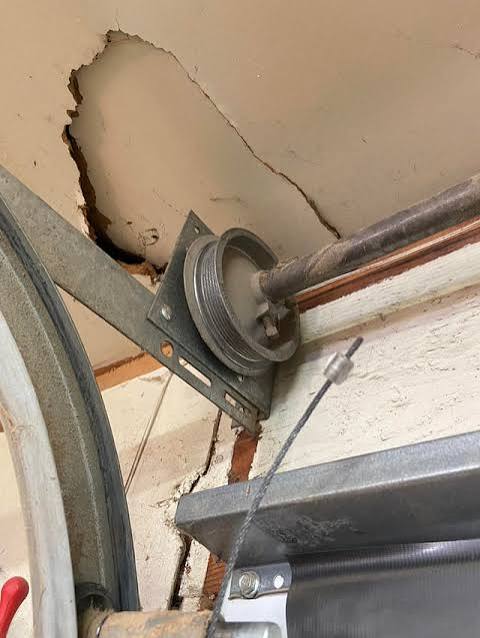
- Torsion Spring System: Uses drums (cylinders) mounted on the spring shaft above the door. The cable winds around these drums.
Note: This guide covers the general principles for re-seating a cable, with specific steps for the more common Extension Spring pulley system, as it is safer for DIYers.
Tools You Will Need
Gather these tools before starting to ensure a smooth repair process.
- Stepladder: Sturdy enough to reach the horizontal tracks.
- Vise-Grip Locking Pliers: To secure the door track.
- Adjustable Wrench & Socket Set: For loosening/tightening bolts.
- Winding Bars (For Torsion Systems Only): 18-24 inches long, specifically designed for garage doors. Never use screwdrivers.
- Lubricant: Silicone-based spray or white lithium grease.
- Work Gloves: To protect your hands from frayed cable strands.
- Safety Glasses: Essential for eye protection against snapping cables.
Step-by-Step Guide: How To Get Garage Door Cable Back On Pulley
This tutorial focuses on the Extension Spring System (where actual pulleys are used), as this is the most common DIY repair. If you have a Torsion system, please refer to the “When to Call a Pro” section, as re-spooling a drum requires releasing and re-winding high-tension springs.
Step 1: Secure the Garage Door
The door must be completely stationary.
- Close the garage door fully.
- Disconnect the garage door opener by pulling the red release handle.
- Crucial Step: Place Vise-Grip locking pliers on the track just below the bottom roller on both sides. This prevents the door from shooting up if a spring snaps while you are working.
Step 2: Inspect the Cable and Pulley
Examine the cable closely.
- Is it frayed? If the cable has “birdcaging” (strands poking out) or is rusted, do not re-seat it. The cable is compromised and must be replaced. Re-using a frayed cable is a ticking time bomb.
- Is the pulley damaged? Check if the wheel spins freely. If it’s seized or cracked, the pulley needs replacement.
Step 3: Release Tension (If Applicable)
For extension springs, the cable is under tension from the spring.
- If the cable has slipped off the bottom bracket pulley, the spring is likely stretched out.
- You may need a helper to pull the bottom bracket down slightly to align the hole, or use a ratchet strap to hold the spring tension while you re-thread the cable.
Step 4: Re-Thread the Cable
This is the core of how to get garage door cable back on pulley.
- Locate the Path: The cable should run from the bottom corner bracket, up to the rear horizontal track pulley, and then forward to the anchor point on the wall or hanger.
- Thread the Rear Pulley: Pass the cable end through the pulley at the back of the track (near the header).
- Attach to Anchor: Pull the cable forward and attach the loop or eyelet to the anchor bracket hanging from the ceiling track.
- Check the Bottom Bracket: Ensure the cable is securely knotted or pinned at the bottom roller bracket.
Step 5: Test the Balance
- Remove the Vise-Grips carefully.
- Manually lift the door halfway. It should stay in place or hover slightly. If it slams down, the spring tension is too low. If it flies up, it’s too high.
- If the door moves smoothly, reconnect the opener and test the auto-reverse safety feature.
Expert Insight: Why Did the Cable Come Off?
Understanding the root cause prevents future repairs. According to industry data from the International Door Association (IDA), the most common reasons for cable derailment include:
- Misaligned Tracks: If the tracks are bent, the cable rubs against the edge and jumps the pulley.
- Lack of Lubrication: Friction causes heat and wear, leading to snapping.
- Worn Pulleys: A grooved pulley that is worn smooth will not guide the cable correctly.
“A garage door is the largest moving object in your home. Regular maintenance isn’t just about convenience; it’s about safety.” — Garage Door Safety Council
For more technical details on the history and mechanism of these systems, you can refer to the Garage Door Wikipedia page to understand the evolution of safety standards.
Maintenance Checklist: Prevent Future Issues
To keep your cables on the pulleys, follow this simple maintenance schedule:
| Component | Frequency | Action |
|---|---|---|
| Cables | Monthly | Check for fraying or rust. Look for “birdcaging.” |
| Pulleys/Rollers | Every 6 Months | Inspect for chips or cracks. Replace nylon rollers if worn. |
| Tracks | Annually | Check alignment. Tighten mounting bolts. |
| Lubrication | Every 6 Months | Apply silicone spray to springs, hinges, and pulleys. |
DIY vs. Professional Repair: Which is Right for You?
Not every repair should be a DIY project. Use this comparison to decide your next step.
| Feature | DIY Repair (Extension Springs) | Professional Service (Torsion Springs) |
|---|---|---|
| Difficulty Level | Moderate | High / Dangerous |
| Tools Required | Basic hand tools, ladder | Specialized winding bars, clamps |
| Cost | $20 – $50 (Parts only) | $150 – $350 (Labor + Parts) |
| Risk Factor | Low (if door is secured) | High (Risk of severe injury) |
| Time Required | 1 – 2 Hours | 45 – 60 Minutes |
| Recommendation | Do it yourself if you are handy. | Hire a pro for torsion springs or snapped cables. |
Frequently Asked Questions (FAQ)
1. Can I open my garage door if the cable is off the pulley? No. Do not attempt to operate the door, especially with the automatic opener. Doing so can cause the door to jam, damage the opener motor, or cause the remaining cable to snap, leading to property damage or injury.
2. How much does it cost to fix a garage door cable? If you DIY an extension spring cable, parts cost between $15 and $30. If you hire a professional to replace a cable and adjust springs, expect to pay between $150 and $200. Torsion spring replacement is more expensive, often ranging from $200 to $300.
3. How often should garage door cables be replaced? Cables typically last 5 to 7 years, depending on usage cycles (opening/closing). If you use your door 4+ times a day, inspect them annually for wear and tear.
4. Why does my garage door cable keep coming off? This is usually caused by misaligned tracks or a worn-out pulley. If the track is bent, the cable will naturally drift off the wheel. Check your track alignment with a level; if it is not plumb, the cable will continue to derail even after you fix it.
5. Is it safe to lubricate the cable? Generally, no. You should lubricate the springs, hinges, and bearings, but avoid heavy grease on the cables themselves as it can attract dirt and grit, which acts like sandpaper and wears the cable out faster. A light dry silicone spray is acceptable if the cable is squeaking.
Conclusion
Learning how to get garage door cable back on pulley is a valuable skill for any homeowner, potentially saving you hundreds of dollars in service fees. By following the steps above—securing the door, inspecting for damage, and carefully re-threading the cable—you can restore your garage’s functionality.
However, always prioritize safety. If you are dealing with torsion springs or if the cable is severely frayed, the smartest move is to call a certified technician.
Did this guide help you fix your door? Share this article on Facebook or Pinterest to help a friend who might be struggling with their garage door today!
Disclaimer: This article is for informational purposes only. The author is not responsible for any injuries or damages resulting from the use of this information. Always consult a professional for dangerous repairs.
Leave a Reply