Introduction
There’s nothing more frustrating than walking into a dark garage after a long day, especially when you’re carrying groceries or tools. If my garage door opener light will not turn on, you’re not alone—this is one of the most common issues homeowners face with their garage door systems. The good news? Most causes are simple to diagnose and fix without calling a professional. In this guide, we’ll walk you through step-by-step solutions, common culprits, and preventive tips to keep your garage well-lit and safe.
Why Won’t My Garage Door Opener Light Turn On?
Before jumping into repairs, it’s essential to understand why the light isn’t working. Several factors could be at play, ranging from minor glitches to component failures. Let’s explore the most frequent reasons:
1. Burnt-Out Light Bulb
The simplest explanation is often the correct one. Like any bulb, garage door opener bulbs have a limited lifespan. If yours has burned out, replacing it is usually all it takes.
2. Loose or Faulty Wiring
Over time, vibrations from the garage door operation can loosen electrical connections. A disconnected wire or corroded terminal may prevent power from reaching the light.
3. Defective Light Socket
If the bulb is new but still doesn’t work, the socket itself might be damaged or worn out. This is more common in older units.
4. Settings or Timer Issues
Many modern openers have adjustable light timers or settings that may have been accidentally changed. Check your manual to ensure the light duration hasn’t been set to zero.
5. Power Supply Problems
A tripped circuit breaker, blown fuse, or power outage affecting only the garage can disable the opener’s light function.
Step-by-Step Troubleshooting Guide
Follow these steps in order to identify and resolve the issue efficiently.
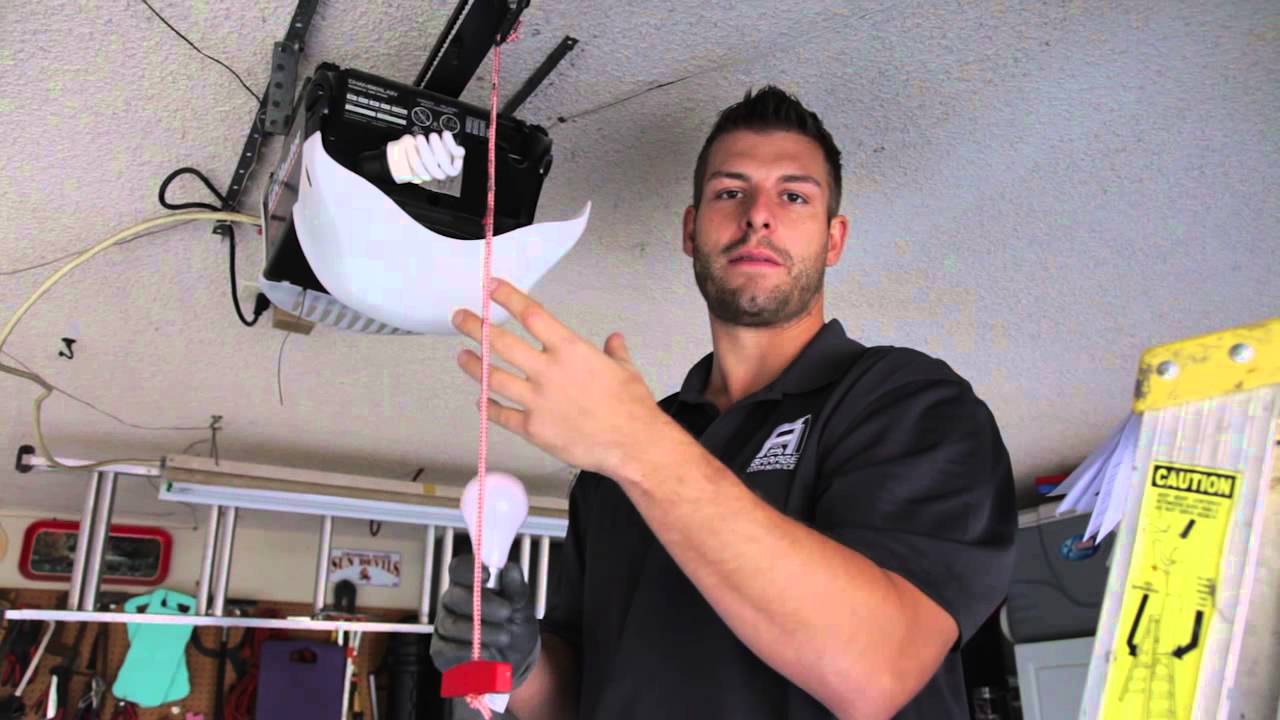
Step 1: Check the Light Bulb
- Turn off the power to the garage door opener for safety.
- Remove the bulb and inspect it for visible damage (blackened glass, broken filament).
- Replace it with a new bulb of the same wattage and type (usually incandescent or LED compatible).
- Restore power and test.
💡 Pro Tip: Use LED bulbs if your opener supports them—they last longer and use less energy.
Step 2: Inspect the Light Socket
- With the power off, examine the socket for signs of burning, corrosion, or loose contacts.
- Gently clean any debris with a dry cloth or compressed air.
- If the socket appears damaged, consider replacing it or contacting a technician.
Step 3: Verify Electrical Connections
- Open the opener’s housing (refer to your manual for instructions).
- Check all wiring connections leading to the light assembly.
- Tighten any loose terminals and ensure wires are securely attached.
Step 4: Review Opener Settings
- Locate the control panel or remote settings.
- Look for options labeled “Light Timer,” “Light Duration,” or similar.
- Adjust the setting to ensure the light stays on for an adequate period (e.g., 2–5 minutes).
Step 5: Test the Power Supply
- Check your home’s circuit breaker panel for any tripped breakers related to the garage.
- Reset if necessary and test the light again.
- If the problem persists, use a multimeter to verify voltage at the opener’s power source.
Common Causes vs. Solutions: Quick Reference Table
| Cause | Symptoms | Solution |
|---|---|---|
| Burnt-out bulb | No light; bulb appears dark/broken | Replace bulb |
| Loose wiring | Intermittent light or no light | Tighten connections |
| Damaged socket | New bulb doesn’t work | Clean or replace socket |
| Incorrect timer setting | Light turns off too quickly | Adjust light duration in settings |
| Power supply issue | Entire opener unresponsive | Reset breaker or check fuse |
When to Call a Professional
While many issues can be resolved DIY-style, some situations require expert assistance:
- Persistent electrical problems despite checking wiring and breakers.
- Strange noises or smells coming from the opener unit.
- Older models where parts are no longer available or difficult to replace.
- Safety concerns, such as exposed wires or risk of electric shock.
According to the International Door Association, regular maintenance can extend the life of your garage door system by up to 50%. If your unit is over 10 years old, consider scheduling a professional inspection.
For more technical details on garage door components, you can refer to Wikipedia’s article on garage door openers.
Preventive Maintenance Tips
Avoid future light failures with these simple habits:
- Replace bulbs proactively every 1–2 years, even if they’re still working.
- Clean the opener unit quarterly to prevent dust buildup around electrical components.
- Tighten screws and connections during routine garage door maintenance.
- Use surge protectors to safeguard against power fluctuations.
FAQ Section
Q1: Can I use any type of bulb in my garage door opener?
A: Not always. Check your opener’s manual for compatible bulb types. Most support standard incandescent bulbs (40–60 watts), but newer models may accept LED or CFL bulbs. Using the wrong type can damage the socket or reduce lifespan.
Q2: Why does my garage door light turn on briefly then shut off?
A: This is likely due to the light timer setting. Most openers allow you to adjust how long the light stays on after activation. Access the settings menu and increase the duration to your preference.
Q3: Is it safe to troubleshoot the garage door opener myself?
A: Yes, for basic issues like bulb replacement or checking connections. However, always disconnect power before handling internal components. If you’re unsure or encounter complex electrical issues, consult a licensed technician.
Q4: How often should I replace my garage door opener bulb?
A: Incandescent bulbs typically last 1,000–2,000 hours, while LEDs can last 15,000–25,000 hours. Replace incandescent bulbs annually or biannually, depending on usage. LEDs may last several years.
Q5: What if the light works but the garage door doesn’t open?
A: This indicates a separate issue with the motor or safety sensors, not the light circuit. Focus on diagnosing the door mechanism, checking sensor alignment, and ensuring the remote batteries are functional.
Q6: Can a power surge damage the garage door opener light?
A: Yes. Power surges can fry internal components, including the light circuit. Installing a whole-house surge protector or a dedicated protector for the garage can prevent this.
Conclusion
Dealing with a garage door opener light that won’t turn on doesn’t have to be stressful. By following the troubleshooting steps outlined above, you can quickly identify whether the issue is a simple bulb replacement, a wiring glitch, or a settings adjustment. Remember, regular maintenance and proactive care can prevent most problems before they start.
If you found this guide helpful, share it with friends or neighbors who might be facing the same issue. A well-lit garage isn’t just convenient—it’s safer for everyone. Stay bright, stay safe!
Leave a Reply