Introduction
There’s nothing more frustrating than pressing your garage door remote and watching it struggle to open, rising just a few inches before stopping completely. If you’re dealing with the issue where my garage door only goes up a few inches, you’re not alone—this is one of the most common garage door problems homeowners face. The good news? Most causes are simple to diagnose and fix, even if you’re not a handyman. In this comprehensive guide, we’ll walk you through everything you need to know to troubleshoot and resolve this issue safely and effectively.
Why Does My Garage Door Only Open a Few Inches?
Before jumping into solutions, it’s essential to understand why this happens. Garage doors are complex systems involving springs, cables, rollers, tracks, and electronic components. When any part malfunctions, the door’s movement becomes restricted. According to the International Door Association, over 60% of garage door service calls involve issues related to alignment, sensor problems, or opener settings—all of which can cause limited upward movement.
Let’s break down the most common culprits.
1. Obstructed Safety Sensors
Modern garage doors come equipped with photo-eye sensors located near the floor on both sides of the door. These sensors prevent the door from closing if something blocks its path. However, if they’re misaligned, dirty, or obstructed, they can also prevent the door from opening fully.
How to Check:
- Look for blinking lights on the sensor units.
- Ensure nothing is blocking the beam between them.
- Clean the lenses with a soft cloth.
- Verify that both sensors are aligned at the same height.
If the sensors aren’t properly aligned, the door may reverse direction after moving only a few inches. This is a safety feature designed to prevent injury or damage.
2. Incorrect Travel Limit Settings
Your garage door opener has two critical settings: the up limit and the down limit. These determine how far the door travels in each direction. If the up limit is set too low, the door will stop prematurely.
How to Adjust:
- Locate the limit adjustment screws on your opener unit (usually labeled “Up” and “Down”).
- Use a screwdriver to turn the “Up” limit screw clockwise in small increments.
- Test the door after each adjustment.
- Stop when the door opens fully without strain.
Note: Refer to your opener’s manual for specific instructions, as adjustment methods vary by brand. Popular brands like Chamberlain, LiftMaster, and Genie have slightly different mechanisms.
3. Broken or Worn Torsion Springs
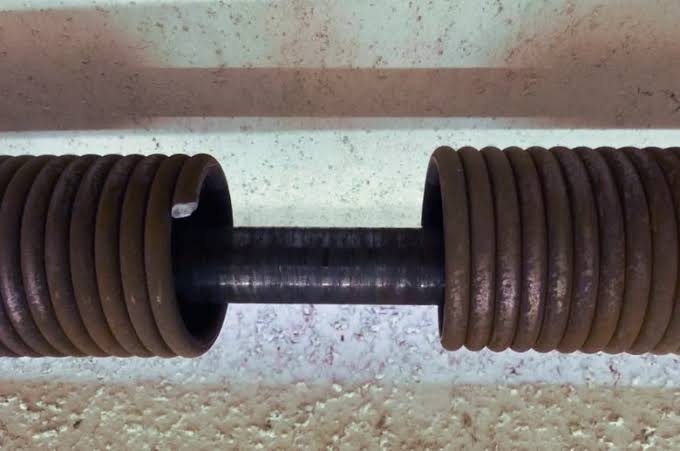
Torsion springs bear the weight of your garage door, making it easy to lift. If a spring breaks or loses tension, the opener struggles to lift the door, often resulting in minimal movement.
Signs of Spring Problems:
- Loud snapping noise when the door was last used.
- Visible gap in the spring coil.
- Door feels unusually heavy when lifted manually.
⚠️ Warning: Torsion springs are under extreme tension and can cause serious injury if handled improperly. Always call a licensed professional for spring replacement. According to Wikipedia’s article on garage door openers, spring-related accidents account for a significant portion of garage door injuries annually.
4. Damaged or Misaligned Tracks
The metal tracks guide your garage door as it moves up and down. If they’re bent, loose, or misaligned, the rollers can’t move smoothly, causing the door to jam after a few inches.
How to Inspect:
- Check for visible bends or dents in the tracks.
- Ensure all mounting brackets are tight.
- Look for debris or rust buildup inside the track.
Quick Fix:
- Tighten loose bolts with a wrench.
- Remove debris with a brush.
- For minor bends, use a rubber mallet to gently reshape the track.
If the damage is severe, professional realignment or replacement may be necessary.
5. Faulty Garage Door Opener Motor
Sometimes the problem isn’t with the door itself but with the opener motor. If the motor is weak, overheating, or malfunctioning, it won’t provide enough power to lift the door fully.
Troubleshooting Steps:
- Listen for unusual grinding or humming sounds.
- Check if the motor feels hot to the touch.
- Try operating the door using the wall switch instead of the remote.
If the motor is failing, replacement is often the best solution. Modern openers range from $150 to $400, depending on horsepower and features.
6. Loose or Snapped Cables
Lift cables work alongside the springs to raise and lower the door. If a cable snaps or becomes loose, the door won’t lift properly.
What to Look For:
- Frayed or broken cables.
- Uneven movement (one side lifts higher than the other).
- Cables hanging loosely from the drum.
Like springs, cable repair should be handled by professionals due to the high tension involved.
Quick Comparison: Common Causes vs. Solutions
| Cause | Difficulty Level | DIY-Friendly? | Estimated Cost |
|---|---|---|---|
| Obstructed Sensors | Easy | ✅ Yes | $0–$20 (cleaning supplies) |
| Incorrect Limit Settings | Easy | ✅ Yes | $0 |
| Broken Torsion Springs | Hard | ❌ No | $150–$350 |
| Misaligned Tracks | Moderate | ✅ Yes (minor) | $0–$100 |
| Faulty Opener Motor | Moderate | ⚠️ Maybe | $150–$400 |
| Snapped Cables | Hard | ❌ No | $100–$200 |
Step-by-Step Troubleshooting Checklist
Follow this systematic approach to identify and fix the problem:
- Check the sensors – Ensure they’re clean, aligned, and unobstructed.
- Test manual operation – Disconnect the opener and try lifting the door by hand. If it’s heavy, suspect spring or cable issues.
- Inspect the tracks – Look for bends, debris, or loose brackets.
- Adjust limit settings – Fine-tune the up limit on your opener.
- Listen to the motor – Note any unusual noises or overheating.
- Examine cables and springs – Look for visible damage (but don’t attempt repairs yourself).
If none of these steps resolve the issue, it’s time to call a professional technician.
FAQ Section
Q1: Can I fix my garage door myself if it only opens a few inches?
A: It depends on the cause. Simple issues like sensor alignment or limit settings are DIY-friendly. However, problems involving springs, cables, or major mechanical failures should be handled by licensed professionals to avoid injury.
Q2: How much does it cost to repair a garage door that won’t open fully?
A: Costs vary widely. Minor fixes like sensor cleaning or limit adjustments may cost nothing if you do them yourself. Professional repairs typically range from $100 to $400, depending on the issue. Spring or cable replacement tends to be on the higher end.
Q3: Why does my garage door reverse after opening a few inches?
A: This is usually caused by obstructed or misaligned safety sensors. The door reverses as a precaution to prevent closing on an object or person. Clean and realign the sensors to resolve this.
Q4: How often should I maintain my garage door?
A: Experts recommend biannual maintenance—once in spring and once in fall. Regular lubrication of rollers, hinges, and springs, along with visual inspections, can prevent most common issues.
Q5: Is it safe to use my garage door if it only opens partially?
A: While it may seem harmless, partial operation can indicate underlying problems that could worsen over time. Additionally, a malfunctioning door poses safety risks. It’s best to address the issue promptly.
Q6: What brand of garage door opener is most reliable?
A: Top-rated brands include Chamberlain, LiftMaster, Genie, and Craftsman. Look for models with belt-drive systems for quieter operation and longer lifespan. Read customer reviews and check warranty terms before purchasing.
Conclusion
Dealing with a garage door that only goes up a few inches can be stressful, but armed with the right knowledge, you can tackle most causes confidently. Whether it’s a simple sensor cleanup, a limit adjustment, or a call to a professional for spring replacement, understanding the root cause saves time, money, and frustration.
Remember, regular maintenance is key to preventing future issues. Lubricate moving parts, inspect sensors monthly, and schedule professional tune-ups annually. Your garage door is one of the most-used entry points in your home—keep it running smoothly!
Found this guide helpful? Share it with friends and family on social media who might be facing the same problem. A quick share could save someone hours of frustration! 🚗🔧
Disclaimer: Always prioritize safety. If you’re unsure about any repair, consult a licensed garage door technician.
Leave a Reply