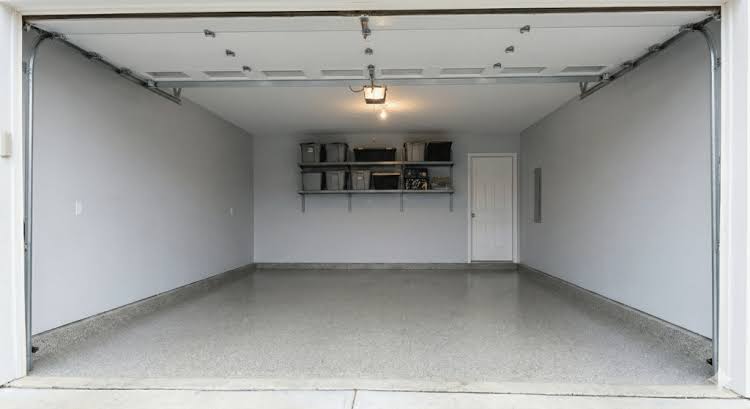
There is nothing quite as unsettling as hearing your garage door move in the middle of the night when no one is home. You check your phone, look out the window, and see it moving again. If you are thinking, “my garage door keeps opening and closing on its own,” you are not alone. This is a common yet frustrating issue that can compromise your home’s security and disrupt your sleep. In this guide, we will break down exactly why this happens and how you can fix it quickly and safely.
Why Does My Garage Door Keep Opening and Closing On Its Own?
Before you call a professional or start taking apart your opener, it is crucial to understand the root cause. Most modern garage doors operate using radio frequency signals, safety sensors, and complex circuit boards. When any of these components malfunction or receive interference, erratic behavior occurs.
According to industry data, nearly 30% of garage door service calls are related to signal interference or sensor misalignment rather than mechanical failure. Understanding the specific trigger helps you apply the right solution without wasting time or money.
1. Radio Frequency Interference (RFI)
One of the most common culprits is radio frequency interference. Your garage door opener communicates with its remote via specific radio waves, typically in the 300–400 MHz range. However, many other devices operate on similar frequencies.
- LED Light Bulbs: Certain cheap or non-dimmable LED bulbs emit electromagnetic interference that confuses the opener’s receiver.
- Neighbors’ Remotes: If a neighbor has a similar older model opener, their signal might accidentally trigger yours.
- Wireless Devices: Baby monitors, wireless doorbells, and even some ham radios can create signal noise.
Quick Test: Try unplugging all non-essential electronics in your garage for 24 hours. If the problem stops, reintroduce devices one by one to identify the interferer.
2. Misaligned or Dirty Safety Sensors
Every modern garage door is equipped with photo-eye sensors near the floor on both sides of the door. These sensors ensure the door reverses if an object (or person) is in the way. If they are misaligned, dirty, or blocked, the door may behave erratically.
When sensors are slightly off-axis, the beam breaks intermittently. The opener interprets this as an obstruction, causing it to reverse or stop mid-cycle. In some cases, faulty wiring to these sensors can send false “clear” signals, leading to unexpected openings.
| Sensor Issue | Symptom | Solution |
|---|---|---|
| Misalignment | Door reverses immediately after touching the floor | Realign brackets until indicator lights are solid |
| Dirty Lens | Intermittent closing failures | Wipe lenses with a soft, dry cloth |
| Sunlight Glare | Door fails to close during late afternoon | Install sunshades or adjust sensor angle |
| Wiring Damage | No light on sensor unit | Inspect wires for cuts or rodent damage |
3. Faulty Wall Control Panel or Short Circuit
The wall-mounted control panel inside your garage can also be the source of the problem. If the buttons are stuck due to dirt, humidity, or wear, they may send continuous signals to the opener. Additionally, moisture intrusion can cause short circuits in the wiring behind the panel.
A short circuit essentially mimics someone pressing the button repeatedly. This is particularly common in humid climates or garages that lack proper ventilation. Check if the button feels “mushy” or sticks when pressed. If so, it likely needs replacement.
4. Smart Home Integration Glitches
If you have connected your garage door to a smart home system (like Amazon Alexa, Google Home, or a dedicated app), software glitches can cause phantom operations. Firmware updates, Wi-Fi drops, or conflicting automation routines may trigger the door unexpectedly.
For instance, a routine set to “close garage at 10 PM” might fail and retry continuously if the Wi-Fi connection is unstable. Always check your app’s activity log to see if commands are being sent remotely.
Step-by-Step Troubleshooting Guide
If my garage door keeps opening and closing on its own, follow these systematic steps to diagnose and resolve the issue. Always prioritize safety: disconnect the power before handling any wiring.
Step 1: Inspect and Clean the Safety Sensors
- Locate the two small sensors near the bottom of the garage door tracks.
- Check the indicator lights. Typically, one should be green (power) and the other amber (alignment). If either is blinking or off, there is an issue.
- Wipe the lenses gently with a microfiber cloth to remove dust, spiderwebs, or dirt.
- Ensure nothing is blocking the beam between them.
- Adjust the brackets slightly until both lights remain solid.
Step 2: Check for Remote Control Issues
Sometimes, a remote control button gets stuck in a depressed position due to debris or battery corrosion.
- Remove the batteries from all your remotes.
- Press each button several times to ensure they spring back correctly.
- Replace with fresh batteries.
- Test the door using the wall control only. If the problem stops, the issue was with one of the remotes.
Step 3: Evaluate Light Bulb Interference
As mentioned earlier, LED bulbs can cause significant RFI.
- Turn off the garage door opener’s light.
- Observe the door for 24 hours.
- If the erratic behavior stops, replace the bulb with a high-quality, garage-door-opener-compatible LED or an incandescent bulb. Look for bulbs labeled as “RFI shielded.”
Step 4: Reset the Garage Door Opener
A simple reset can clear temporary glitches in the logic board.
- Unplug the opener from the power source.
- Wait for 60 seconds to allow capacitors to discharge.
- Plug it back in.
- Reprogram your remotes and keypad according to the manufacturer’s manual.
For more detailed technical specifications on garage door opener frequencies and standards, you can refer to Wikipedia’s entry on Garage Door Openers.
When to Call a Professional
While many issues can be resolved with DIY troubleshooting, some situations require expert attention. If you have tried the above steps and my garage door keeps opening and closing on its own, consider calling a licensed technician if:
- The motor makes grinding or buzzing noises.
- The door falls rapidly when disconnected from the opener (indicating broken springs).
- You notice burnt smells or visible damage to the circuit board.
- The issue persists after replacing sensors and remotes.
Garage door springs are under extreme tension and can cause severe injury if handled incorrectly. Never attempt to repair torsion springs yourself.
FAQ Section
Q1: Can a weak battery cause my garage door to open randomly?
Yes, indirectly. A weak battery in a remote can cause inconsistent signal transmission, which the opener might interpret as multiple rapid presses. However, it is more common for weak batteries to cause failure to open rather than random opening. Replace batteries annually to prevent issues.
Q2: Why does my garage door open at the same time every night?
This often points to a scheduled automation rule in a smart home system or a neighbor using their remote at a consistent time. Check your smart app schedules first. If none exist, observe if a neighbor leaves for work or returns home at that time.
Q3: Is it dangerous if my garage door reverses unexpectedly?
Yes. Unexpected reversal indicates that the safety sensors are detecting an obstruction (real or false). If ignored, the door may eventually fail to close entirely, leaving your home vulnerable. More importantly, if the sensors are faulty, the door may not reverse when it should, posing a serious safety risk to children and pets.
Q4: How do I know if my garage door opener is hacked?
While rare, older openers with fixed codes (pre-1993) are vulnerable to code grabbing. Modern openers use rolling codes, making hacking extremely difficult. If you suspect unauthorized access, change your remote codes immediately and consider upgrading to a modern rolling-code opener.
Q5: Will resetting my garage door opener erase my remote settings?
Yes, a full factory reset will erase all paired remotes and keypads. You will need to reprogram them afterward. Keep your manual handy, as the programming steps vary by brand (e.g., LiftMaster, Chamberlain, Genie).
Conclusion
Dealing with a garage door that acts on its own is stressful, but it is rarely a catastrophic failure. By systematically checking for radio frequency interference, sensor alignment, and remote control issues, you can often resolve the problem without professional help. Remember, regular maintenance—such as cleaning sensors and replacing batteries—can prevent these issues from recurring.
If you found this guide helpful, please share it with friends or neighbors who might be facing similar frustrations. A secure garage means a safer home, and now you have the knowledge to keep it that way. Stay safe, and happy troubleshooting!
Leave a Reply