Introduction
Imagine rushing out for work, only to find your garage door stuck halfway. You pull harder, but it won’t budge. Can you lift a garage door with a broken spring? The short answer is: technically yes, but it’s extremely dangerous and not recommended. Garage doors weigh hundreds of pounds, and the springs are designed to counterbalance that weight. Without them, you’re risking serious injury or further damage to your door. In this guide, we’ll explain why lifting a garage door with a broken spring is risky, what you should do instead, and how to stay safe.
Why Garage Door Springs Are Critical
What Do Garage Door Springs Actually Do?
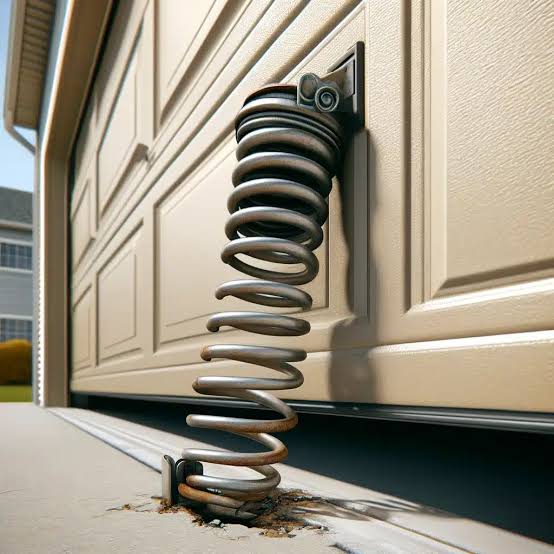
Garage door springs are the unsung heroes of your garage system. They store mechanical energy when the door is closed and release it when you open the door, making it feel lightweight. There are two main types:
- Torsion springs: Mounted above the door, these twist to store energy.
- Extension springs: Located on either side, these stretch to provide lift assistance.
Without functioning springs, your garage door becomes dead weight. A typical single-car garage door weighs 150–250 pounds, while double-car doors can exceed 400 pounds. Trying to lift this manually is like bench-pressing a small motorcycle—not advisable!
The Physics Behind the Danger
When a spring breaks, the counterbalance system fails. This means:
- The full weight of the door rests on your shoulders.
- Sudden movements can cause the door to slam shut unexpectedly.
- Cables may snap under increased tension, creating projectile hazards.
According to the Consumer Product Safety Commission, garage door-related injuries send thousands of Americans to emergency rooms annually, with many incidents involving improper handling of broken components.
Risks of Lifting a Garage Door With a Broken Spring
Physical Injury Hazards
Attempting to lift a garage door without functional springs poses several risks:
- Muscle Strains and Back Injuries: Lifting 200+ pounds repeatedly can cause severe back pain or herniated discs.
- Crush Injuries: If the door slips, fingers, hands, or even entire limbs can get trapped.
- Falling Doors: A partially lifted door might collapse suddenly, causing head trauma or broken bones.
Damage to Your Garage Door System
Beyond personal safety, forcing a door open can:
- Bend tracks or rollers.
- Snap cables already under stress.
- Damage the opener motor if engaged improperly.
Repair costs for secondary damage often exceed the price of professional spring replacement.
Safe Alternatives to Manual Lifting
Use the Emergency Release Cord (With Caution)
Most garage door openers have an emergency release cord that disengages the motor. However:
- Only use this if the door is fully closed.
- Never attempt to lift the door manually after releasing it unless absolutely necessary.
- Re-engage the opener immediately once help arrives.
Call a Professional Technician
The safest option is always to contact a licensed garage door repair service. Professionals have:
- Specialized tools to safely replace springs.
- Training to handle high-tension systems.
- Insurance coverage in case of accidents.
Average repair costs range from $150–$350, depending on spring type and location. While this may seem expensive, it’s far cheaper than medical bills or replacing a damaged door.
Temporary Workarounds (Not Recommended Long-Term)
If you must access your garage urgently:
- Ensure no one is standing near the door.
- Wear sturdy gloves and closed-toe shoes.
- Lift slowly using both hands, keeping your back straight.
- Stop immediately if you feel resistance or hear unusual noises.
⚠️ Warning: These steps are last-resort measures only. Do not make this a habit.
How to Prevent Broken Springs in the Future
Regular Maintenance Tips
Prevention is better than cure. Follow these tips to extend spring life:
| Maintenance Task | Frequency | Benefit |
|---|---|---|
| Lubricate springs & hinges | Every 6 months | Reduces friction and wear |
| Inspect for rust or cracks | Monthly | Early detection of issues |
| Test balance quarterly | Every 3 months | Ensures proper operation |
| Tighten hardware | Annually | Prevents loose parts from failing |
Signs Your Springs Are Failing
Watch for these warning signs:
- Loud banging noise when operating the door.
- Door feels heavier than usual.
- Visible gaps or separation in torsion springs.
- Uneven movement during opening/closing.
Addressing these early can prevent complete failure.
FAQ Section
Q1: Is it illegal to fix my own garage door springs?
No, it’s not illegal, but it’s highly discouraged due to safety risks. Many manufacturers void warranties if non-professionals attempt repairs.
Q2: How long do garage door springs typically last?
Most springs last 7–12 years or 10,000–15,000 cycles. Heavy usage or poor maintenance can shorten lifespan.
Q3: Can I drive my car out if the garage door won’t open?
Only if you have another exit point. Never force the door open manually just to retrieve your vehicle.
Q4: What’s the difference between torsion and extension springs?
Torsion springs twist around a shaft above the door, while extension springs stretch along the sides. Torsion springs are generally safer and more durable.
Q5: Will homeowner’s insurance cover broken spring repairs?
Typically, no. Most policies consider this routine maintenance. However, if the breakage causes additional property damage, partial coverage may apply.
Q6: Can smart garage openers detect broken springs?
Some advanced models monitor door weight and movement patterns, alerting users to potential issues. However, they cannot physically fix the problem.
Conclusion
So, can you lift a garage door with a broken spring? Technically yes, but the risks far outweigh any convenience. From severe injuries to costly damages, attempting this task yourself is rarely worth it. Instead, prioritize safety by calling a professional technician who can resolve the issue quickly and securely.
Remember, prevention is key. Regular maintenance and timely inspections can save you from unexpected breakdowns. Share this article with friends and family to spread awareness about garage door safety. Stay safe, and keep those garages running smoothly!
Leave a Reply