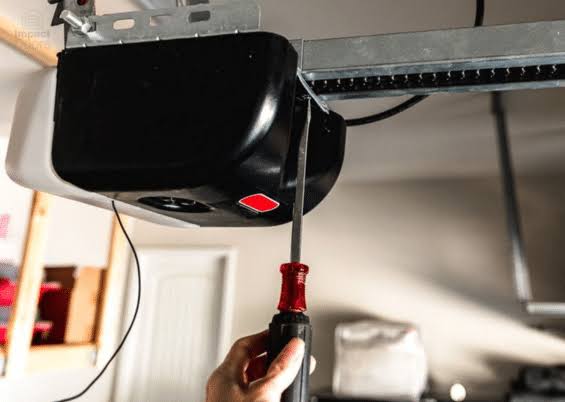
Is your Liftmaster garage door opener starts to close then reverses unexpectedly? This frustrating issue is more common than you think, affecting thousands of homeowners across the US every year. Don’t worry—you’re not alone, and in most cases, the solution is simpler (and cheaper) than calling a professional technician.
Garage door openers are designed with multiple safety features to prevent accidents. When your Liftmaster begins closing but immediately reverses direction, it’s actually doing exactly what it’s supposed to do: protecting you, your family, and your property from potential harm. However, understanding why this happens and how to fix it can save you time, money, and unnecessary stress.
In this comprehensive guide, we’ll walk you through every possible cause, provide step-by-step troubleshooting instructions, and share expert insights to help you resolve this issue quickly and safely.
Why Does My Liftmaster Garage Door Reverse During Closing?
Before diving into solutions, it’s essential to understand the mechanics behind this behavior. Modern garage door openers, including Liftmaster models, are equipped with sophisticated safety systems mandated by federal regulations since 1993.
According to the Consumer Product Safety Commission, garage door-related injuries send approximately 20,000 people to emergency rooms annually in the United States. This statistic underscores why manufacturers like Liftmaster prioritize safety features that automatically reverse the door when obstacles are detected.
The reversal mechanism typically triggers due to one of three primary reasons:
- Obstruction detection: The safety sensors detect an object in the door’s path
- Force setting issues: The downward force is improperly calibrated
- Mechanical problems: Physical resistance prevents smooth operation
Understanding which category your problem falls into will determine the most effective solution.
Check and Align Your Safety Sensors First
The most common culprit behind a reversing garage door is misaligned or dirty safety sensors. These infrared beams, located near the floor on both sides of your garage door opening, create an invisible barrier that stops the door if interrupted.
Step-by-Step Sensor Inspection:
- Locate the sensors: Look for small plastic units mounted 4–6 inches above the ground on each side of the door track
- Check the indicator lights: Most Liftmaster sensors have LED lights—solid green means aligned, blinking or off indicates a problem
- Clean the lenses: Use a soft, dry cloth to wipe away dust, spider webs, or debris
- Verify alignment: Both sensors should face each other directly. You should be able to see the sending sensor’s light through the receiving sensor
- Test the connection: Place an object (like a cardboard box) in the door’s path while closing. The door should reverse immediately
Pro Tip: If sunlight directly hits your sensors during certain times of day, it can interfere with the infrared beam. Consider installing a shade or adjusting the sensor angle slightly.
Adjust the Downward Force Settings
If your sensors are functioning correctly, the next likely cause is improper force settings. Liftmaster openers allow you to adjust how much pressure the door applies when closing. Too much force triggers the safety reversal; too little prevents proper closure.
How to Adjust Force Settings:
| Setting | Location | Adjustment Method |
|---|---|---|
| Down Force | Control board or remote | Turn dial clockwise to increase, counterclockwise to decrease |
| Up Force | Control board or remote | Same adjustment method as down force |
| Travel Limits | Motor unit | Adjust using limit screws or digital controls |
Important: Make adjustments in small increments (quarter-turns). Test the door after each adjustment by placing a 2×4 piece of wood flat on the ground in the door’s path. The door should reverse upon contact without excessive force.
According to Liftmaster’s official guidelines, the door should reverse when encountering approximately 15–20 pounds of resistance. This balance ensures safety while maintaining functionality.
Inspect the Garage Door Track and Rollers
Physical obstructions in the track or worn rollers can create enough resistance to trigger the reversal mechanism. Even minor bends, dents, or accumulated debris can cause significant problems.
Track Inspection Checklist:
- Look for bends or dents: Use a level to check if tracks are straight and properly aligned
- Check for debris: Remove dirt, leaves, rocks, or any foreign objects from the track
- Examine roller condition: Worn, cracked, or seized rollers create friction
- Verify track mounting: Ensure all brackets are secure and tracks are parallel
- Lubricate moving parts: Apply silicone-based lubricant to rollers, hinges, and tracks (avoid WD-40, which attracts dust)
Expert Insight: Professional garage door technicians recommend inspecting and lubricating your door system every six months. This preventive maintenance can extend your opener’s lifespan by 3–5 years and prevent unexpected failures.
Test the Remote Control and Wall Switch
Sometimes the issue isn’t mechanical at all—it’s electrical. Faulty wiring, weak batteries, or signal interference can cause erratic behavior.
Diagnostic Steps:
- Replace remote batteries: Use fresh alkaline batteries (typically CR2032 or similar)
- Test with wall switch: If the wall switch works properly but the remote doesn’t, the issue is likely with the remote or its programming
- Check for interference: LED bulbs, wireless cameras, and other electronic devices can interfere with opener signals
- Reprogram the remote: Follow your Liftmaster manual’s instructions to resync the remote control
- Inspect wiring: Look for frayed, disconnected, or damaged wires between the motor unit and sensors
When to Call a Professional Technician
While many reversing issues can be resolved with DIY troubleshooting, some situations require professional expertise:
- Spring problems: Torsion springs are under extreme tension and can cause serious injury if handled incorrectly
- Motor malfunction: Unusual noises, burning smells, or complete failure indicate internal motor issues
- Electrical complications: Frequent circuit breaker trips or sparking require licensed electrician assistance
- Persistent problems: If you’ve tried all troubleshooting steps and the issue continues
The average cost for professional garage door repair ranges from $150 to $350, depending on your location and the specific problem. While this may seem expensive, attempting complex repairs without proper training can void warranties and create safety hazards.
FAQ Section
Q: How often should I maintain my Liftmaster garage door opener?
A: Perform basic maintenance every six months, including cleaning sensors, lubricating moving parts, and testing safety features. Annual professional inspections are recommended for comprehensive evaluation.
Q: Can weather affect my garage door’s reversing behavior?
A: Yes. Extreme temperatures can cause metal tracks to expand or contract, affecting alignment. Humidity and moisture can corrode components or interfere with sensor function. Cold weather may also stiffen lubricants, increasing resistance.
Q: Is it safe to bypass the safety sensors temporarily?
A: Absolutely not. Bypassing safety sensors violates federal safety regulations and creates severe injury risks. Always address the underlying problem rather than disabling safety features.
Q: Why does my door reverse only sometimes, not every time?
A: Intermittent reversing often indicates partial sensor obstruction (like a spider web), loose wiring connections, or borderline force settings. These issues may not trigger consistently but still require attention.
Q: How long do Liftmaster garage door openers typically last?
A: With proper maintenance, Liftmaster openers last 10–15 years on average. Belt-drive models tend to last longer than chain-drive versions due to reduced wear and quieter operation.
Q: Will resetting my Liftmaster opener fix the reversing problem?
A: Resetting can resolve programming glitches but won’t fix mechanical issues, misaligned sensors, or incorrect force settings. Try resetting as a first step, but proceed with full troubleshooting if the problem persists.
Conclusion
Dealing with a Liftmaster garage door opener that starts to close then reverses doesn’t have to be a headache. By systematically checking your safety sensors, adjusting force settings, inspecting tracks and rollers, and testing electrical components, you can resolve most issues without professional help.
Remember, these safety features exist to protect you and your loved ones. Rather than viewing the reversal as a malfunction, see it as your opener working correctly to prevent potential accidents.
Found this guide helpful? Share it with friends and neighbors who might be experiencing similar garage door issues. Your quick action could save someone from costly repairs or, more importantly, prevent a dangerous situation.
For ongoing garage door maintenance tips and troubleshooting advice, bookmark this page and return whenever you need reliable, expert-backed information. Stay safe, and enjoy the peace of mind that comes with a properly functioning garage door system!
Leave a Reply