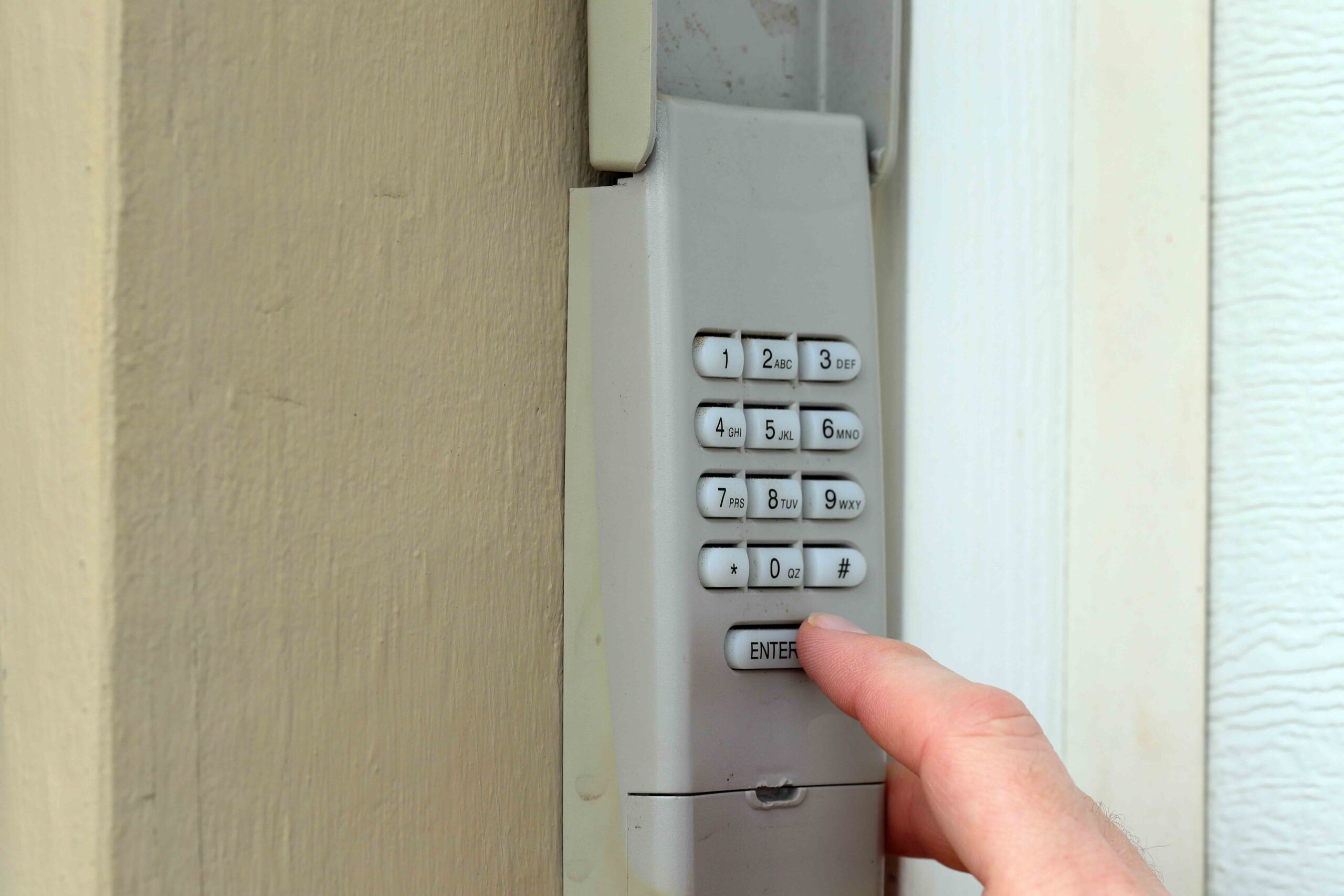
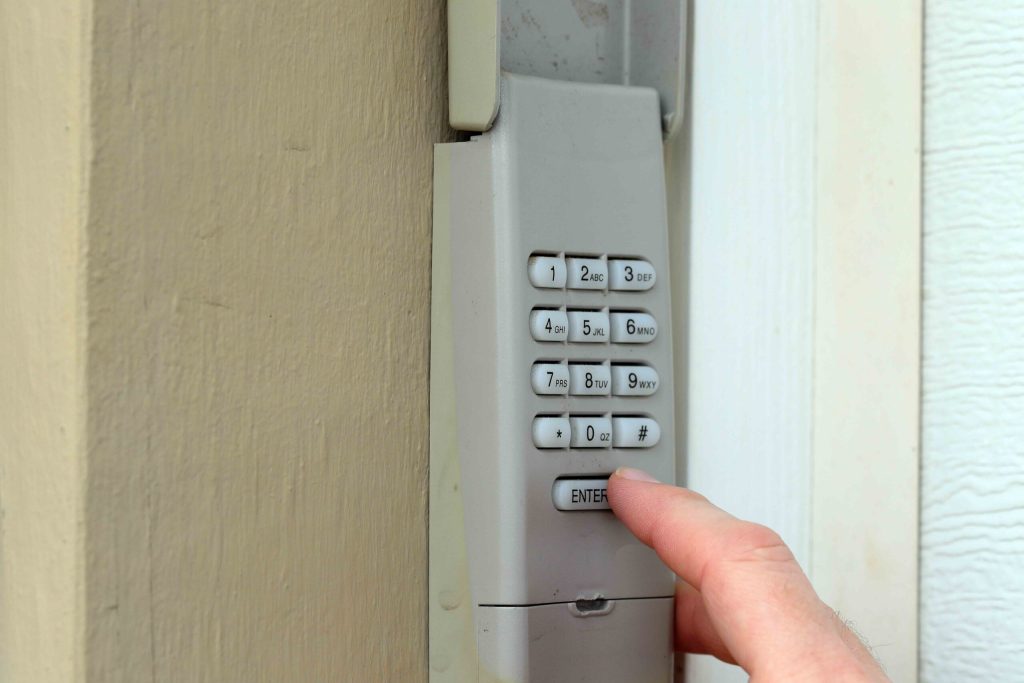
Have you ever stood in the freezing cold, pressing buttons on your wall-mounted or external keypad, only to watch your garage door remain stubbornly shut? It is a frustrating experience that many homeowners face when temperatures drop below freezing. If your Liftmaster garage door keypad not working in cold weather, you are not alone; this is a common issue caused by battery chemistry changes and signal interference.
In this guide, we will explore why this happens and provide step-by-step solutions to get your system back online quickly.
Why Does Cold Weather Affect Wireless Keypads?
Before diving into fixes, it is essential to understand the science behind the failure. Most Liftmaster keypads use standard alkaline or lithium batteries. When temperatures drop, the chemical reactions inside these batteries slow down significantly. This reduces the voltage output, meaning the keypad may not have enough power to send a strong radio frequency (RF) signal to the opener motor.
Additionally, extreme cold can cause minor contraction in electronic components and wiring. While modern devices are built to withstand harsh conditions, prolonged exposure to sub-zero temperatures can temporarily disrupt connectivity. According to general principles of electronics, consistent performance is best maintained between 32°F (0°C) and 104°F (40°C). For more details on how temperature affects electronic devices, you can refer to Wikipedia’s entry on battery performance in extreme temperatures.
Key Factors Contributing to Failure:
- Reduced Battery Voltage: Cold drains battery life faster than heat.
- Signal Interference: Snow and ice can block RF signals if the antenna is covered.
- Condensation: Moisture from melting snow can seep into the keypad casing, causing short circuits.
Step-by-Step Troubleshooting Guide
If your keypad is unresponsive, follow these logical steps to diagnose and fix the issue. Do not skip steps, as the solution is often simpler than expected.
1. Replace the Batteries with Lithium Options
The most common culprit is weak batteries. Standard alkaline batteries struggle in temperatures below 20°F (-6°C).
- Remove the old batteries: Open the keypad compartment carefully.
- Clean the contacts: Use a dry cloth or a cotton swab with a tiny amount of rubbing alcohol to clean any corrosion on the battery terminals.
- Install new Lithium batteries: We strongly recommend using Lithium AA or AAA batteries (depending on your model). Lithium batteries perform significantly better in cold weather, maintaining voltage down to -40°F (-40°C).
- Test the keypad: Press the button immediately after installation.
Pro Tip: Keep a spare set of lithium batteries in your car or home during winter months for quick swaps.
2. Check for Physical Obstructions and Ice
Snow and ice buildup can physically block the signal or freeze the internal mechanisms.
- Inspect the exterior: Look for ice accumulation around the keypad housing.
- Clear the area: Gently brush away snow from the keypad and the garage door opener’s antenna wire.
- Dry the unit: If the keypad feels damp, wipe it down with a dry towel. Allow it to air dry for 15–20 minutes before testing again.
3. Reprogram the Keypad
Sometimes, the connection between the keypad and the opener motor gets disrupted due to power fluctuations or signal loss. Reprogramming re-establishes this link.
- Locate the “Learn” button on your Liftmaster garage door opener motor unit (usually on the back or side).
- Press and release the Learn button. The indicator light will turn on.
- Within 30 seconds, go to your keypad and enter your desired PIN code.
- Press and hold the Enter button until the opener’s lights blink or you hear a click.
- Test the keypad by entering the PIN again.
4. Inspect the Antenna Wire
The garage door opener has a hanging antenna wire that broadcasts the signal. If this wire is frozen against the metal ceiling or wrapped around itself, the signal range decreases.
- Ensure the antenna hangs freely downward.
- If it is coated in ice, gently thaw it with a hairdryer on a low setting (keep it moving to avoid melting plastic parts).
Comparison: Alkaline vs. Lithium Batteries in Cold Weather
Choosing the right battery is critical for winter reliability. Here is a quick comparison to help you decide.
| Feature | Alkaline Batteries | Lithium Batteries |
|---|---|---|
| Cold Weather Performance | Poor (loses 50%+ capacity at 0°F) | Excellent (maintains 90%+ capacity) |
| Lifespan in Cold | Short (weeks) | Long (months to years) |
| Weight | Heavier | Lighter |
| Cost | Lower upfront cost | Higher upfront cost |
| Leak Risk | Higher in extreme temps | Very low |
Verdict: For any outdoor electronic device in cold climates, Lithium batteries are worth the extra investment.
Preventive Maintenance for Winter
Prevention is always better than cure. Follow these tips to ensure your Liftmaster keypad works all winter long.
- Weatherproof the Keypad: Apply a silicone-based sealant around the edges of the keypad casing to prevent moisture ingress. Ensure the gasket is intact.
- Install a Cover: Consider buying or building a small plastic cover to shield the keypad from direct snow and rain.
- Regular Testing: Test your keypad once a week during winter. Early detection of weak signals allows you to replace batteries before they fail completely.
- Check the Opener Unit: Ensure the main garage door opener unit is plugged in and functioning. Sometimes the issue is with the motor, not the keypad.
FAQ Section
1. Why does my Liftmaster keypad work intermittently in the cold?
Intermittent functionality usually indicates weak batteries. As the battery warms up slightly (from handling or sun exposure), it may regain enough voltage to send a signal. Replacing them with lithium batteries typically resolves this issue.
2. Can I use rechargeable batteries in my garage door keypad?
It is not recommended. Rechargeable NiMH batteries have lower voltage (1.2V vs 1.5V for alkaline/lithium) and perform poorly in cold weather. They may drain too quickly to maintain a consistent connection. Stick to non-rechargeable lithium batteries for best results.
3. How do I know if the keypad is broken or just cold?
Bring the keypad inside your warm house for 30 minutes. If it starts working normally after warming up, the issue is temperature-related. If it still does not work, the keypad may be damaged or need reprogramming.
4. Does snow affect the garage door sensor eyes?
Yes. Snow or ice blocking the safety sensors near the floor will prevent the door from closing, even if the keypad sends the signal correctly. Always keep the sensor lenses clean and free of debris.
5. What temperature is too cold for a Liftmaster keypad?
Most Liftmaster keypads are rated for operation down to 0°F (-18°C). However, performance degrades significantly below this point if standard batteries are used. With lithium batteries, they can function in much colder conditions.
6. Should I remove the keypad in winter?
No, removal is unnecessary and inconvenient. Instead, focus on proper maintenance, such as using high-quality batteries and ensuring the unit is sealed against moisture.
Conclusion
Dealing with a Liftmaster garage door keypad not working in cold weather is a common but solvable problem. By understanding how cold affects battery chemistry and signal transmission, you can take proactive steps to maintain your system. Remember to switch to lithium batteries, keep the unit dry, and reprogram if necessary.
Don’t let the winter freeze lock you out of your own home. Share this guide with friends and family who might be struggling with similar garage door issues, and stay warm!
Leave a Reply