Introduction
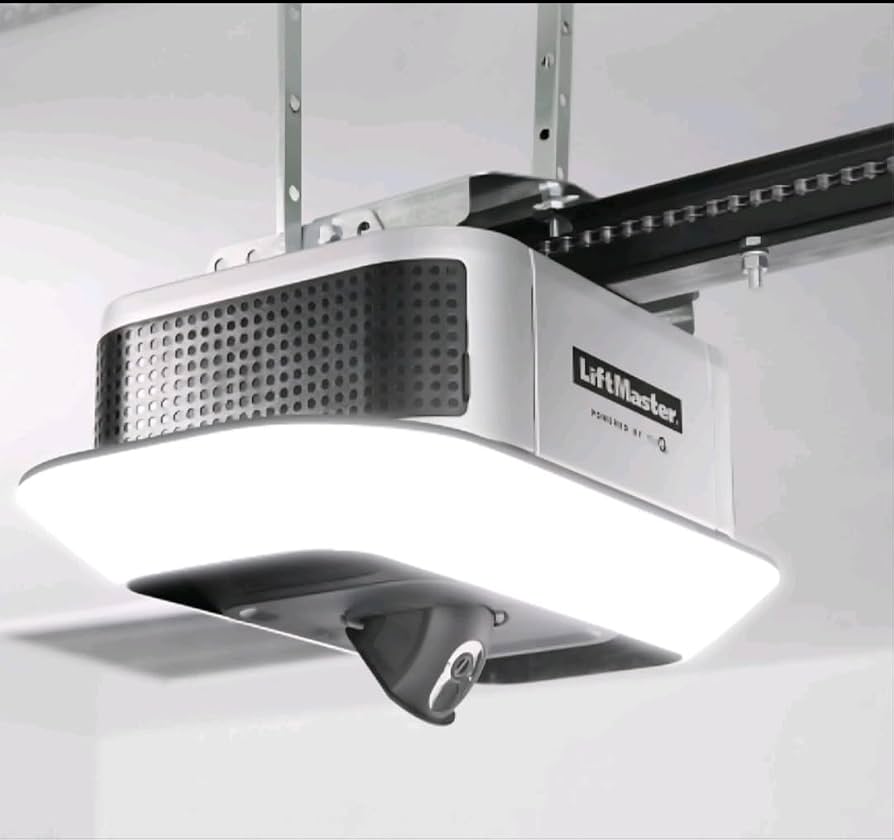
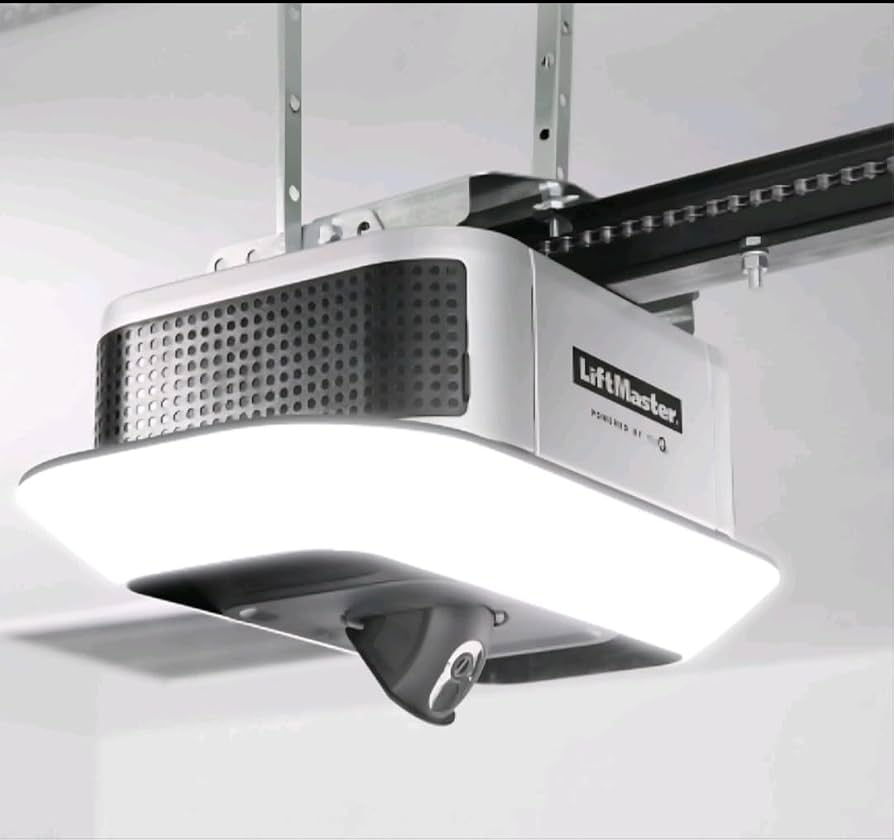
Is your current garage door opener sounding like a freight train every time you leave for work or return home late at night? We understand how frustrating noisy equipment can be, especially when bedrooms are located directly above or adjacent to the garage. Upgrading to a LiftMaster 3/4 HP Belt Drive Garage Door Opener is often the definitive solution for homeowners seeking a perfect balance of whisper-quiet performance and reliable lifting power. In this comprehensive guide, we will walk you through everything you need to know about this specific model, helping you decide if it is the right investment for your home’s comfort and security.
Why Choose a LiftMaster 3/4 HP Belt Drive Garage Door Opener?
When browsing for a new opener, the sheer volume of options can be overwhelming. However, the LiftMaster 3/4 HP Belt Drive Garage Door Opener consistently ranks as a top choice for US homeowners. But what makes it stand out from the crowd?
The primary differentiator is the belt drive system itself. Unlike traditional chain drives that use metal-on-metal contact, belt drives utilize a steel-reinforced rubber belt. This design eliminates the grinding noise associated with older models. According to industry testing, belt drive openers can operate at decibel levels comparable to a quiet conversation, making them ideal for attached garages.
Furthermore, the 3/4 horsepower motor provides substantial torque. While 1/2 HP models suffice for lightweight aluminum doors, a 3/4 HP unit effortlessly handles heavier insulated steel doors or custom wooden carriage-house styles without straining the motor. This reduced strain translates to a longer lifespan for the unit, reinforcing the value proposition over time.
Key Benefits at a Glance
- Ultra-Quiet Operation: Perfect for homes with living spaces above the garage.
- Heavy-Duty Lifting: 3/4 HP motor manages doors up to 650 lbs with ease.
- Vibration Isolation: Reduces wear and tear on garage door hardware.
- Smart Home Integration: Most modern LiftMaster belt drives include Wi-Fi connectivity via myQ technology.
- Battery Backup Compatibility: Ensures access during power outages (a critical safety feature).
How Does Belt Drive Compare to Chain Drive?
One of the most common questions we encounter is whether the premium price of a belt drive is justified compared to a standard chain drive. To help you visualize the differences, we have compiled a direct comparison based on real-world performance metrics.
| Feature | LiftMaster 3/4 HP Belt Drive | Standard 3/4 HP Chain Drive |
|---|---|---|
| Noise Level | Ultra-Quiet (<55 dB) | Moderate to Loud (70-80 dB) |
| Durability | High (Steel-reinforced rubber) | Very High (Metal chain) |
| Maintenance | Low (No lubrication needed) | Moderate (Requires periodic grease) |
| Best For | Attached garages, heavy doors | Detached garages, budget installs |
| Price Point | Premium | Budget-Friendly |
| Vibration | Minimal | Noticeable |
Note: While chain drives are incredibly durable, the vibration they produce can loosen hardware over time. The LiftMaster 3/4 HP Belt Drive Garage Door Opener mitigates this issue, potentially saving you money on future track adjustments and roller replacements.
For a deeper understanding of the mechanical principles behind these systems, you can refer to the general engineering concepts of garage door openers on Wikipedia, which explains the evolution from manual to automated systems and the safety standards mandated by US law.
What Features Should You Look for in This Model?
Not all LiftMaster 3/4 HP Belt Drive Garage Door Opener units are identical. Depending on the specific series (such as the Elite Series or Contractor Series), features can vary significantly. Here is what you should prioritize based on current US market standards and user intent.
1. Smart Connectivity (myQ Technology)
In 2026, smart home integration is no longer a luxury; it is an expectation. Ensure the model you select has built-in Wi-Fi. This allows you to monitor door status, receive real-time alerts, and integrate with platforms like Amazon Key for secure in-garage deliveries.
2. Battery Backup
Power outages happen. A battery backup ensures you are never trapped inside or locked out of your garage. Many insurance providers and home inspectors now view this as a critical safety component rather than an optional add-on.
3. Safety Sensors and Auto-Reverse
Verify that the unit includes PosiLock® anti-theft protection and Protector System® infrared sensors. These are non-negotiable safety features that prevent the door from closing on people, pets, or vehicles.
4. Warranty Coverage
LiftMaster typically offers a lifetime warranty on the motor and belt for residential use, with varying terms for parts and accessories. Always register your product immediately after installation to activate these protections.
Installation Overview: What to Expect
While professional installation is always recommended for safety and warranty compliance, understanding the process helps you prepare. If you are a DIY enthusiast with advanced mechanical skills, here is a high-level overview of the requirements.
Disclaimer: Garage doors are under extreme tension. Improper handling can cause severe injury. The following is for informational purposes only.
- Preparation: Clear the workspace and ensure you have a helper. You will need a stepladder, wrenches, locking pliers, and a level.
- Assembly: Assemble the rail and attach the belt to the trolley. Unlike chains, belts have a specific orientation; installing them backward can damage the sprocket.
- Mounting: Secure the header bracket to the structural framing above the door. Do not mount to drywall alone. Use lag screws into joists or blocking.
- Belt Tensioning: This is the most critical step for a LiftMaster 3/4 HP Belt Drive Garage Door Opener. An overtightened belt strains the motor; a loose belt slips. Follow the manufacturer’s tension gauge specifications precisely (usually indicated by a mark on the tensioner assembly).
- Travel Limits & Force Settings: Program the open/close limits using the control panel. Test the auto-reverse function with a 2×4 board placed flat on the floor under the door center. The door must reverse upon contact.
- Smart Setup: Connect to Wi-Fi and pair with your smartphone app before finalizing the cover installation.
Professional Tip: If your garage door springs are older than 7 years, have them inspected before installing a new opener. A failing spring can burn out even a powerful 3/4 HP motor prematurely.
Frequently Asked Questions (FAQ)
1. How long does a LiftMaster 3/4 HP Belt Drive last?
With proper maintenance and balanced door springs, these units typically last 15–20 years. The steel-reinforced belt is designed to match the lifespan of the motor under normal residential use. Regular visual inspections of the belt for fraying or cracking every 2-3 years can help predict end-of-life.
2. Can I replace my chain drive with a belt drive myself?
Yes, but it requires intermediate-to-advanced DIY skills. The mounting points are generally compatible, but you must reprogram travel limits and force settings from scratch. If you are uncomfortable working at heights or adjusting high-tension components, hire a certified LiftMaster dealer. Professional installation usually takes 2-3 hours and ensures warranty validity.
3. Is the 3/4 HP necessary for a standard single-car door?
For a lightweight, uninsulated single-car door, a 1/2 HP may suffice. However, upgrading to a LiftMaster 3/4 HP Belt Drive Garage Door Opener provides headroom for future upgrades (like adding insulation or replacing with a heavier door) and reduces daily motor strain. The price difference is often minimal compared to the longevity benefits.
4. Does the belt require lubrication?
No. Never apply grease or oil to a belt drive system. Lubricants attract dust and debris, which accelerates wear on the belt and sprockets. Only the rollers, hinges, and springs should be lubricated with white lithium grease or silicone spray. The belt should remain clean and dry.
5. Will this opener work with my existing garage door tracks?
In most cases, yes. LiftMaster designs their openers to be compatible with standard sectional door tracks. However, if your tracks are damaged, rusted through, or are an obsolete one-piece door style, you may need partial or full track replacement. Always inspect track alignment before installation.
6. How do I troubleshoot if the belt is slipping?
First, check the belt tension using the manufacturer’s gauge. If tension is correct, inspect the drive sprocket for wear or stripped teeth. Also verify that the garage door moves freely by hand; a binding door will cause any opener to slip or stall. Address door balance issues before blaming the opener.
Conclusion
Choosing the right garage door opener transforms your daily routine from a noisy chore into a seamless experience. The LiftMaster 3/4 HP Belt Drive Garage Door Opener delivers exactly what modern US homeowners demand: exceptional quietness, robust power for heavy doors, and intelligent connectivity that keeps you informed and secure. By investing in this system, you are not just buying hardware; you are enhancing your home’s comfort, safety, and long-term value.
We hope this guide has answered your questions and given you the confidence to make an informed decision. Found this article helpful? Share it on Facebook, X (Twitter), or Pinterest to help fellow homeowners discover the peace of quiet garage technology! Your friends and neighbors will thank you when they finally stop hearing that 6 AM rumble.
Leave a Reply