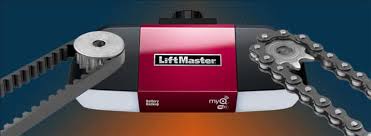
If you are standing in your garage wondering is a belt drive garage door opener better than chain, you are not alone. This is one of the most common dilemmas homeowners face when replacing or upgrading their garage systems. You want reliability, but you also want peace and quiet, especially if your garage is attached to your living space.
Choosing the right mechanism can significantly impact your daily comfort and long-term maintenance costs. In this guide, we will break down the technical differences, noise levels, durability, and price points to help you make an informed decision. Let’s dive into the details so you can select the perfect opener for your home.
Understanding the Core Differences
To answer whether a belt drive is better, we first need to understand how each system works. Both types serve the same primary function: lifting and lowering your heavy garage door. However, the mechanism they use to transfer power from the motor to the door trolley is distinctly different.
How Chain Drive Openers Work
Chain drive openers are the traditional workhorses of the industry. They use a metal chain, similar to a bicycle chain, to pull the trolley that moves the door. This design has been around for decades and is known for its raw strength and simplicity. Because metal is moving against metal, these units are inherently louder, but they are incredibly robust.
How Belt Drive Openers Work
Belt drive openers use a steel-reinforced rubber belt instead of a metal chain. This belt moves the trolley along the rail. The rubber material absorbs vibration and reduces friction, which results in a much smoother and quieter operation. While the concept is similar, the materials used create a vastly different user experience.
For a deeper technical understanding of mechanical drive systems, you can refer to general engineering principles on Wikipedia.
Noise Level: The Biggest Factor
When homeowners ask is a belt drive garage door opener better than chain, the number one concern is usually noise. If your garage is attached to your house, or if you have bedrooms above the garage, this factor is critical.
Decibel Comparison
- Chain Drive: Typically operates between 70–80 decibels. This is comparable to the sound of a vacuum cleaner or a busy street. The metal-on-metal contact creates a distinct rattling or grinding noise, especially during startup and shutdown.
- Belt Drive: Typically operates between 50–60 decibels. This is akin to a normal conversation or background music. The rubber belt dampens the sound, making it nearly whisper-quiet.
Verdict: If silence is a priority, the belt drive is unequivocally better. Many users report that they can no longer hear the door opening from inside their living room after switching to a belt drive.
Durability and Lifespan
A common myth is that belt drives are fragile because they use rubber. However, modern belt drives use steel-reinforced rubber belts that are designed to last. Let’s look at the longevity of both systems.
Chain Drive Durability
- Strength: Metal chains are extremely strong and can handle heavy wooden or insulated doors with ease.
- Maintenance: Chains require regular lubrication to prevent rust and reduce noise. Without maintenance, they can stretch over time, leading to misalignment.
- Lifespan: With proper maintenance, a chain drive can last 15–20 years.
Belt Drive Durability
- Strength: Steel-reinforced belts are surprisingly durable and can handle standard residential doors without issue. They may struggle slightly with exceptionally heavy custom doors compared to heavy-duty chains.
- Maintenance: Belts do not require lubrication. This is a significant advantage as it eliminates the mess and routine upkeep associated with chains.
- Lifespan: A high-quality belt drive can also last 15–20 years. The rubber does not degrade quickly under normal indoor garage conditions.
Key Insight: While chains are technically “stronger,” belt drives are sufficiently strong for 95% of residential applications and offer a maintenance-free experience.
Cost Comparison: Initial Investment vs. Long-Term Value
Price is often the deciding factor for many homeowners. Here is a breakdown of what you can expect to pay.
| Feature | Chain Drive Opener | Belt Drive Opener |
|---|---|---|
| Initial Cost | $150 – $250 | $250 – $400 |
| Installation Cost | Lower (Standard) | Slightly Higher |
| Maintenance Cost | Low (Lubricant) | Zero |
| Resale Value | Standard | Premium Feature |
As shown in the table, belt drive openers are generally $100–$150 more expensive upfront. However, when you factor in the lack of maintenance and the added comfort, many homeowners find the extra cost justified. If you plan to stay in your home for many years, the belt drive offers better long-term value in terms of convenience.
Performance in Extreme Temperatures
Garages are often unconditioned spaces, meaning they get very hot in the summer and freezing in the winter. How do these openers handle temperature fluctuations?
Cold Weather Performance
- Chain Drive: Metal contracts in the cold, which can make the chain tighter and noisier. Lubricants can also thicken, causing the motor to work harder.
- Belt Drive: Rubber can become stiff in extreme cold, potentially leading to slight slippage or reduced efficiency. However, most modern belts are engineered to withstand temperatures as low as -20°F (-29°C) without issue.
Hot Weather Performance
- Chain Drive: Heat causes metal to expand, which may loosen the chain slightly, requiring adjustment.
- Belt Drive: High-quality rubber belts are resistant to heat degradation. They perform consistently well in hot climates without expanding significantly.
Expert Tip: If you live in an area with extreme temperature swings, ensure you buy a model from a reputable brand that specifies its operating temperature range. Both types perform well, but belt drives generally offer more consistent performance with less seasonal adjustment.
Installation and Maintenance Ease
For DIY enthusiasts, the ease of installation and ongoing care is crucial.
Installation
Both types use similar mounting brackets and rails. The installation process is nearly identical. However, belt drives are often lighter, making them slightly easier to handle during installation. Most modern openers come with clear instructions and smartphone app integration, simplifying the setup regardless of the drive type.
Maintenance Requirements
- Chain Drive: You must lubricate the chain every 6–12 months using a specific garage door lubricant. You also need to check the tension regularly.
- Belt Drive: Zero lubrication required. You only need to visually inspect the belt for signs of wear or cracking once a year. This “set it and forget it” nature is a major selling point for busy homeowners.
Which One Should You Choose?
So, is a belt drive garage door opener better than chain? The answer depends on your specific situation.
Choose a Chain Drive If:
- You are on a strict budget.
- Your garage is detached from your home.
- You have a very heavy, custom-made garage door.
- You don’t mind performing occasional maintenance.
Choose a Belt Drive If:
- Your garage is attached to your living space.
- You have bedrooms or offices above the garage.
- You value quiet operation and convenience.
- You prefer a maintenance-free system.
- You are willing to pay a premium for comfort.
For most modern homes, especially those with attached garages, the belt drive is the superior choice. The reduction in noise pollution and the elimination of maintenance tasks provide a quality-of-life improvement that outweighs the initial cost difference.
FAQ Section
1. Can I convert my chain drive opener to a belt drive?
No, you cannot simply swap the chain for a belt. The trolley, motor gearing, and rail system are designed specifically for either a chain or a belt. To switch types, you must replace the entire opener unit.
2. Are belt drive openers less powerful than chain drives?
Not necessarily. While chain drives are known for raw torque, modern belt drive openers are engineered to handle standard residential doors (up to 7 feet tall) with ease. Only if you have an unusually heavy solid wood door might you need a heavy-duty chain drive or a specialized high-torque belt model.
3. Do belt drives break more easily?
This is a common misconception. Modern belts are made of steel-reinforced rubber, making them highly durable. They are resistant to stretching and snapping. In fact, because they don’t require lubrication, there is less risk of damage from improper maintenance compared to chains.
4. How often should I replace my garage door opener?
Regardless of the type, most garage door openers have a lifespan of 10–15 years. If your opener is older than this, starts making unusual noises, or struggles to lift the door, it may be time for a replacement.
5. Is a belt drive worth the extra money?
For homes with attached garages, yes. The peace and quiet alone are worth the investment for many families. Additionally, the lack of maintenance saves time and money over the life of the unit. If your garage is detached, the extra cost may not be necessary.
Conclusion
Deciding is a belt drive garage door opener better than chain ultimately comes down to your priorities: budget versus comfort. While chain drives offer a cost-effective and robust solution for detached garages, belt drives provide a superior user experience for attached homes. They are quieter, require no maintenance, and offer reliable performance for years.
If you value a peaceful home environment and want to eliminate the hassle of regular lubrication, investing in a belt drive opener is a smart move. It enhances your daily life and adds a touch of modern convenience to your home.
Leave a Reply