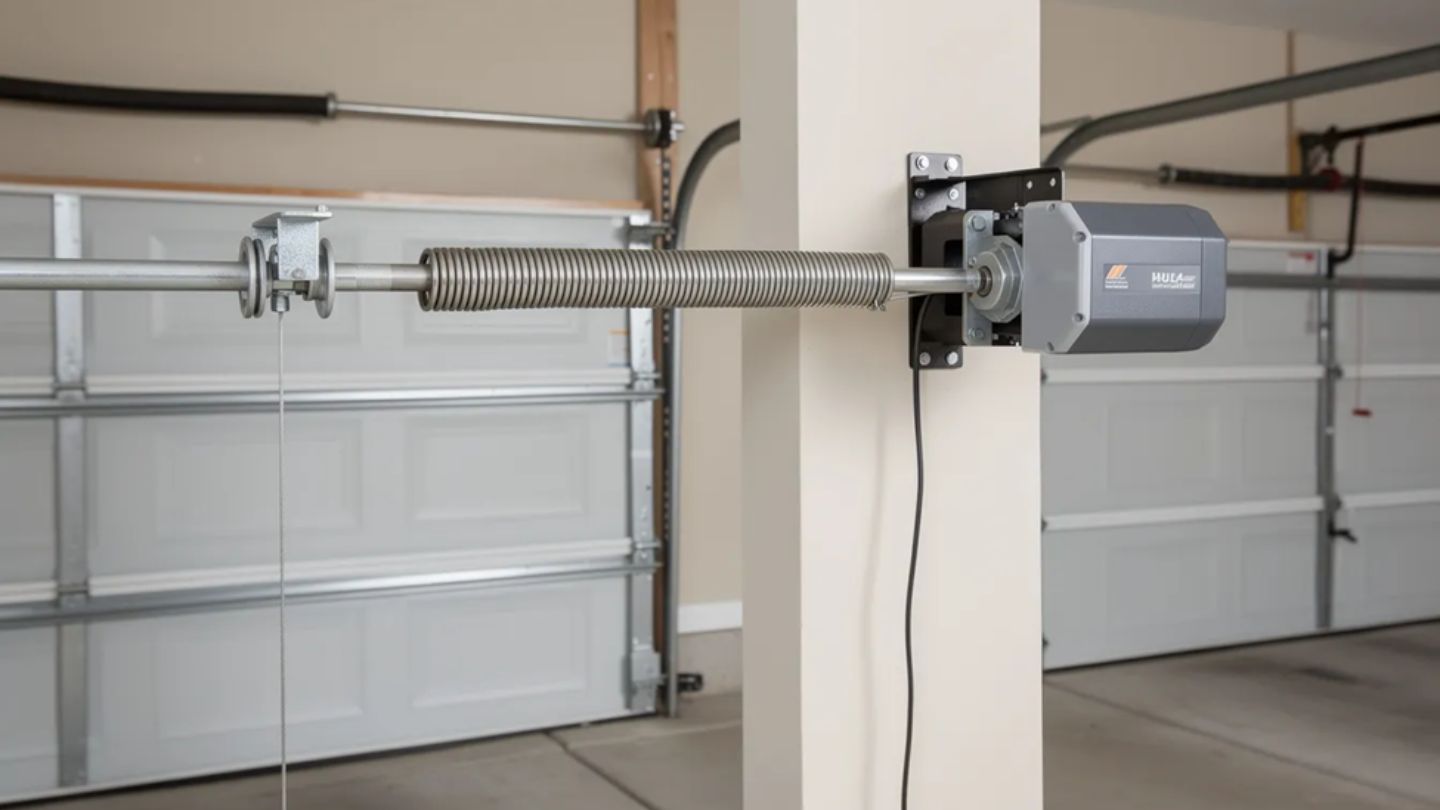
Choosing the right garage door opener can feel overwhelming, especially when you’re staring at specifications like “1 1/4 HP” and wondering if it’s overkill for your residential setup. Many homeowners ask themselves: is 1 1/4 HP garage door opener too much for a standard single or double-car garage? The short answer is: it depends on your specific needs, but for most average homes, it may indeed be more power than necessary.
In this comprehensive guide, we’ll break down everything you need to know about garage door opener horsepower, help you determine if 1 1/4 HP is appropriate for your situation, and provide expert insights to ensure you make an informed decision.
Understanding Garage Door Opener Horsepower Ratings
Before determining whether 1 1/4 HP is excessive, it’s crucial to understand what horsepower actually means in the context of garage door openers.
What Does HP Mean for Garage Door Openers?
Horsepower (HP) measures the motor’s strength and its ability to lift the weight of your garage door. Common residential garage door opener ratings include:
- ½ HP: Suitable for single-car garages with lightweight doors (wood or thin steel)
- ¾ HP: Ideal for standard double-car garages with moderate-weight doors
- 1 HP: Recommended for heavier doors, insulated models, or frequent use
- 1 1/4 HP: Designed for extra-heavy doors, commercial applications, or extreme conditions
The higher the horsepower, the more torque the motor produces, allowing it to handle heavier loads with greater ease and potentially extending the motor’s lifespan by reducing strain.
Standard Residential Needs vs. 1 1/4 HP Capability
For context, the average residential garage door weighs between 130–180 pounds for single-layer steel doors and 200–350 pounds for insulated or wooden doors. A ¾ HP opener can typically handle doors up to 350–400 pounds, while a 1 HP unit manages up to 500–600 pounds.
A 1 1/4 HP garage door opener is engineered to lift doors weighing 600–800+ pounds, which exceeds the requirements of most residential installations. This raises the legitimate question: is this level of power truly necessary for your home?
When Is 1 1/4 HP Actually Necessary?
While 1 1/4 HP may seem excessive for typical homes, there are specific scenarios where this power rating becomes not just beneficial, but essential.
Heavy or Oversized Garage Doors
If your garage door falls into any of these categories, a 1 1/4 HP opener may be justified:
- Custom wooden doors: Solid wood or carriage-style doors can weigh 400–600+ pounds
- Extra-wide or tall doors: Doors exceeding standard 7×8 or 8×7 feet dimensions
- Triple-layer insulated doors: High-efficiency doors with thick insulation layers
- Commercial-grade residential doors: Reinforced steel doors designed for durability
Frequent Daily Usage
Households with multiple vehicles or those who use their garage as a primary entrance may open and close their door 8–12 times daily. In these cases, a more powerful motor experiences less wear and tear, potentially lasting longer than an underpowered unit struggling with regular operation.
Extreme Weather Conditions
Homeowners in regions with harsh winters face additional challenges:
- Ice buildup on tracks increases resistance
- Cold temperatures thicken lubricants, creating friction
- Snow accumulation adds unexpected weight
A 1 1/4 HP motor provides the extra torque needed to overcome these environmental obstacles reliably.
Potential Downsides of Using 1 1/4 HP for Residential Use
While more power might seem better, there are legitimate reasons why 1 1/4 HP could be considered “too much” for average homeowners.
Higher Initial Cost
| Motor Size | Average Price Range | Best For |
|---|---|---|
| ½ HP | $150–$250 | Light single doors |
| ¾ HP | $200–$350 | Standard double doors |
| 1 HP | $300–$450 | Heavy/insulated doors |
| 1 1/4 HP | $400–$600+ | Extra-heavy/commercial |
As shown above, 1 1/4 HP openers cost significantly more than standard residential models. If your door doesn’t require this power level, you’re essentially paying for capability you’ll never use.
Increased Noise Levels
Higher horsepower motors often generate more operational noise, particularly in chain-drive models. While belt-drive 1 1/4 HP units mitigate this issue, they come at an even higher premium. For homes with bedrooms above or adjacent to the garage, noise becomes a critical consideration.
Energy Consumption Concerns
Although modern garage door openers don’t consume substantial electricity during standby mode, a larger motor does draw more power during operation. Over years of use, this difference—while minimal—adds up. According to energy efficiency guidelines, matching motor size to actual load requirements optimizes energy usage.
Unnecessary Complexity
More powerful openers sometimes include features geared toward commercial applications, such as advanced safety sensors, heavy-duty mounting brackets, or industrial-grade components. These additions increase installation complexity and maintenance requirements without providing tangible benefits for residential users.
Expert Recommendations: What Do Professionals Say?
To provide authoritative guidance, let’s examine industry standards and expert opinions.
The International Door Association (IDA) recommends selecting a garage door opener based on actual door weight plus a 20–30% safety margin. For most residential doors weighing 200–350 pounds, this calculation suggests:
- 200 lbs × 1.3 = 260 lbs capacity needed → ¾ HP sufficient
- 350 lbs × 1.3 = 455 lbs capacity needed → 1 HP recommended
- 500+ lbs × 1.3 = 650+ lbs capacity needed → 1 1/4 HP appropriate
Additionally, leading manufacturers like LiftMaster and Chamberlain explicitly state that 1 1/4 HP models are designed for “heavy-duty residential and light commercial applications,” confirming that this power level exceeds typical home requirements.
For further technical specifications on garage door systems, you can reference detailed engineering standards available on Wikipedia’s garage door page.
How to Determine the Right Horsepower for Your Garage
Follow these steps to accurately assess whether you need 1 1/4 HP or a smaller motor:
Step 1: Weigh Your Garage Door
Use a bathroom scale or luggage scale to measure your door’s actual weight. Disconnect the opener first, then manually lift the door halfway and place the scale under the bottom edge. Record the reading.
Step 2: Consider Door Material and Construction
- Single-layer steel: 130–180 lbs → ½–¾ HP
- Double-layer insulated steel: 200–300 lbs → ¾–1 HP
- Triple-layer insulated steel: 300–400 lbs → 1 HP
- Solid wood: 350–600+ lbs → 1–1 1/4 HP
Step 3: Evaluate Usage Frequency
Count how many times you operate your garage door daily. Multiply by 365 for annual cycles. High-frequency users (8+ times daily) benefit from oversizing by one horsepower tier for longevity.
Step 4: Factor in Environmental Conditions
If you live in areas with extreme temperatures, high humidity, or significant seasonal variations, consider upgrading one tier above your calculated requirement to ensure reliable year-round performance.
Step 5: Consult Installation Guidelines
Review your garage door manufacturer’s specifications. Most provide recommended opener horsepower ranges based on door model and weight.
Frequently Asked Questions
Is 1 1/4 HP garage door opener too much for a standard two-car garage?
For most standard two-car garages with doors weighing under 350 pounds, yes, 1 1/4 HP is more than necessary. A ¾ HP or 1 HP opener will perform adequately and cost less. However, if your doors are heavily insulated, made of solid wood, or exceed standard dimensions, 1 1/4 HP may be justified.
Will a 1 1/4 HP opener damage my garage door?
No, a more powerful opener won’t damage your door if properly installed and adjusted. Modern openers include force-limiting sensors that prevent excessive pressure. However, using significantly more power than needed wastes money and energy without providing additional benefits.
Does higher horsepower mean faster operation?
Not necessarily. Garage door speed is primarily determined by the drive mechanism (chain, belt, or screw) and gear ratios, not just horsepower. A 1 1/4 HP opener won’t open your door noticeably faster than a 1 HP unit unless the latter is struggling with an overloaded door.
Can I upgrade from ¾ HP to 1 1/4 HP later?
Yes, you can upgrade your opener at any time. Ensure your garage door springs, cables, and tracks are rated for the increased force. It’s advisable to have a professional inspect your system before installing a significantly more powerful opener.
Are 1 1/4 HP openers louder than smaller models?
Generally, yes, especially in chain-drive configurations. However, belt-drive 1 1/4 HP models operate nearly as quietly as smaller belt-drive units. If noise is a concern, prioritize belt-drive systems regardless of horsepower rating.
What’s the lifespan difference between 1 HP and 1 1/4 HP openers?
When properly matched to door weight, both should last 10–15 years. However, if a 1 HP opener is consistently strained by an overweight door, it may fail sooner. Conversely, a 1 1/4 HP opener lifting a light door isn’t operating under optimal conditions either, though the impact on lifespan is minimal.
Final Thoughts: Making the Right Choice
So, is 1 1/4 HP garage door opener too much? For the majority of residential applications, the answer is yes—it provides more power than typical homeowners need, resulting in unnecessary expense and complexity. However, if you have an exceptionally heavy door, operate your garage frequently, or live in challenging weather conditions, this robust motor size offers peace of mind and long-term reliability.
The key is matching your opener’s horsepower to your actual requirements rather than assuming “more is better.” By carefully evaluating your door’s weight, material, usage patterns, and environmental factors, you can select an opener that delivers optimal performance without overspending.
Ready to make your decision? Share this guide with friends and family who are also shopping for garage door openers, and help them avoid the common mistake of buying more power than they need. Your garage—and your wallet—will thank you!
Leave a Reply