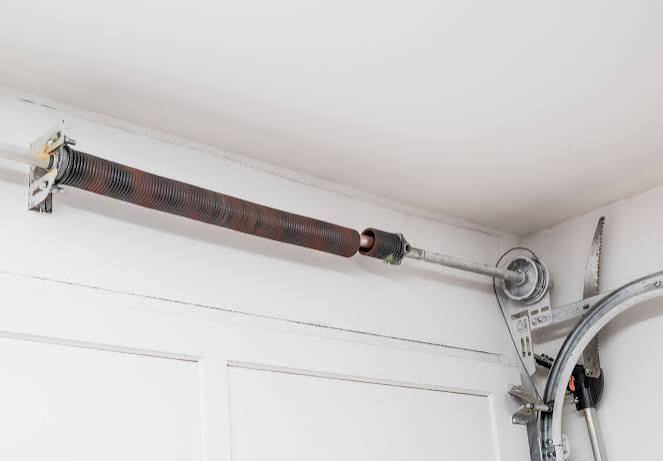
Is your garage door refusing to open, or does it feel heavier than usual? A broken spring is often the culprit, but replacing it isn’t as simple as buying any spring off the shelf. Knowing how to tell which garage door spring you need is critical for safety, functionality, and avoiding costly mistakes. In this guide, we’ll walk you through the exact steps to identify your spring type, measure it correctly, and choose the right replacement.
Why Identifying the Right Spring Matters
Garage door springs are under extreme tension—often holding hundreds of pounds of weight. Using the wrong spring can lead to:
- Safety hazards: Incorrect springs can snap violently, causing injury or property damage.
- Premature wear: The wrong tension strains your opener and other components.
- Wasted money: Buying the wrong part means another trip to the store or waiting for returns.
According to the International Door Association (IDA), over 80% of garage door service calls are related to spring failures or improper installations. Getting it right the first time saves you stress and cash.
Step 1: Determine Your Spring Type (Torsion vs. Extension)
The first step in learning how to tell which garage door spring you need is identifying whether you have torsion or extension springs. These two types look different and function differently.
Torsion Springs
Torsion springs are mounted horizontally above the closed garage door, on a metal shaft (torsion bar). They twist (torque) to lift the door.
- Location: Above the door opening.
- Appearance: One or two tightly wound coils on a central rod.
- Common Use: Modern homes, heavier doors, and double-car garages.
Extension Springs
Extension springs run parallel to the horizontal tracks on both sides of the door. They stretch to provide lifting force.
- Location: Alongside the upper horizontal tracks.
- Appearance: Long, stretched-out coils with safety cables running through them.
- Common Use: Older homes, lighter single-car doors.
Pro Tip: If you see a long metal rod running across the top of your door frame, you likely have torsion springs. If you see springs stretching along the side tracks, you have extension springs.
Step 2: Measure Your Spring Accurately
Once you know the type, precise measurements are non-negotiable. Even a half-inch error can render a spring useless. Here’s what to measure for each type.
For Torsion Springs: The 4 Key Measurements
- Wire Size: This is the thickness of the steel wire. Use a caliper for accuracy. Common sizes include 0.207″, 0.218″, 0.225″, and 0.250″.
- Inside Diameter (ID): Measure the inside width of the coil. Standard IDs are 1.75″, 2.0″, and 2.25″.
- Length: Measure the length of the spring only (excluding the cones at the ends). Common lengths range from 18″ to 36″.
- Wind Direction: This is crucial. Stand inside the garage facing the door.
- Left-Wound: The spring is on the left side, and the coils wind counter-clockwise.
- Right-Wound: The spring is on the right side, and the coils wind clockwise.
- Note: Most systems use one of each (one left, one right).
For Extension Springs: The 3 Key Measurements
- Wire Size: Similar to torsion springs, measure the thickness of the wire.
- Outside Diameter (OD): Measure the width of the coil from outer edge to outer edge.
- Length: Measure the length of the spring when the door is closed. Do not stretch it to measure. Also, note the length of the safety cable if it needs replacement.
| Measurement | Torsion Spring | Extension Spring |
|---|---|---|
| Key Dimension | Inside Diameter (ID) | Outside Diameter (OD) |
| Length State | Relaxed (no tension) | Closed door position |
| Critical Detail | Wind Direction (Left/Right) | Safety Cable Length |
| Tool Needed | Caliper (recommended) | Tape Measure & Caliper |
Step 3: Calculate the Required Weight Capacity
Springs are rated by the weight of the door they can lift. You don’t guess this—you calculate it.
How to Weigh Your Garage Door
- Disconnect the garage door opener by pulling the release cord.
- Lift the door manually until it’s about halfway open.
- Let go. If it stays in place, the current springs are balanced. If it falls, they’re too weak. If it rises, they’re too strong.
- For an exact weight, use a bathroom scale. Place it under the bottom edge of the door (with help) and lift slightly to get a reading. Alternatively, check the manufacturer’s label on the door section for the model number and look up specifications online.
Matching Spring to Door Weight
- Single Car Door (7–8 ft wide): Typically weighs 130–180 lbs. Requires lighter gauge springs.
- Double Car Door (16 ft wide): Typically weighs 200–350+ lbs. Requires heavier gauge or dual torsion springs.
If you’re unsure, consult a professional. As noted by Wikipedia’s entry on garage doors, improper spring tension is a leading cause of premature opener failure.
Step 4: Check for Wear and Tear Signs
Before buying, inspect your current springs for signs that confirm replacement is needed:
- Gap in Coils: A visible gap in a torsion spring indicates it has snapped.
- Rust or Corrosion: Weakens the metal and increases breakage risk.
- Stretching: Extension springs that appear elongated even when the door is closed are worn out.
- Noise: Squeaking or grinding sounds during operation.
FAQ: Common Questions About Garage Door Springs
Q1: Can I replace just one torsion spring if only one is broken?
A: It’s highly recommended to replace both. Springs wear out at similar rates. If one breaks, the other is likely near failure. Replacing both ensures balanced lifting and prevents another service call soon.
Q2: How long do garage door springs last?
A: Most standard springs are rated for 10,000 cycles (one cycle = one open + one close). For average use, this translates to 7–10 years. High-cycle springs can last up to 25,000 cycles.
Q3: Is it safe to replace garage door springs myself?
A: Torsion spring replacement is dangerous due to high tension and should be left to professionals unless you have specialized tools and training. Extension springs are safer for DIY but still require caution. Always wear safety glasses and gloves.
Q4: What happens if I install the wrong wind direction?
A: The spring will not fit properly on the cone and may unwind violently during installation or use, causing severe injury. Always double-check left-wound vs. right-wound before purchasing.
Q5: Can I upgrade my springs for better performance?
A: Yes. You can upgrade to high-cycle springs (e.g., 25,000 cycles) for longer life. Ensure the wire size and diameter match your door’s weight requirements.
Q6: Why does my garage door slam shut?
A: This usually indicates broken or weak springs that aren’t providing enough counterbalance. The opener then bears the full weight, leading to rapid descent. Replace the springs immediately to protect your opener.
Conclusion: Get It Right the First Time
Knowing how to tell which garage door spring you need empowers you to make informed decisions, whether you’re hiring a pro or tackling a safer DIY extension spring swap. Remember:
- Identify the type (torsion or extension).
- Measure precisely (wire size, diameter, length, wind direction).
- Match the spring to your door’s weight.
- Prioritize safety above all else.
A well-balanced garage door operates smoothly, quietly, and lasts longer. Don’t let a broken spring disrupt your day. Share this guide with friends or family who might be struggling with their garage doors, and bookmark it for future reference!
Have questions or experiences to share? Drop a comment below or share this article on social media to help others avoid common garage door pitfalls!
Leave a Reply