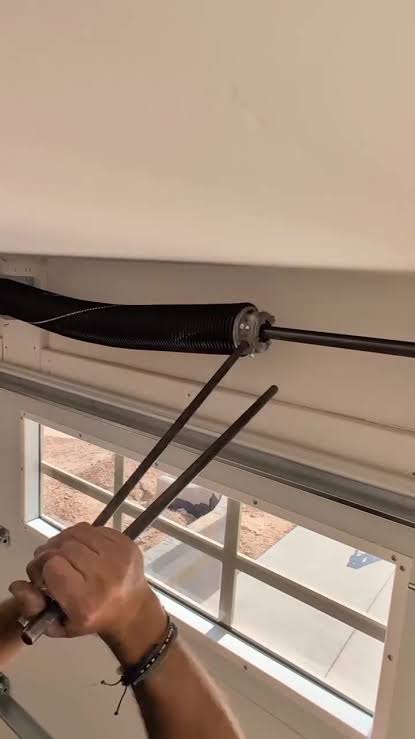
Adjusting a garage door that feels heavy, slams shut unexpectedly, or refuses to stay open can be frustrating and potentially dangerous. Many homeowners assume this requires an expensive professional visit, but understanding the mechanics can save you time and money. If you are wondering how to set the tension on a garage door spring, this guide will walk you through the process safely and effectively, ensuring your door operates smoothly for years to come.
Understanding Garage Door Springs: Torsion vs. Extension
Before touching any tools, it is crucial to identify which type of spring system your garage door uses. The method for adjusting tension differs significantly between the two main types: torsion springs and extension springs. Misidentifying them can lead to incorrect adjustments or severe injury.
Torsion springs are mounted horizontally above the closed garage door on a metal shaft. They work by twisting (torque) to lift the door. These are common in modern homes and are generally considered safer and more durable, though they require precise adjustment using winding bars.
Extension springs are located on both sides of the door, running parallel to the horizontal tracks. They stretch and contract to provide lifting force. These are often found in older installations or lighter doors. Adjusting these typically involves changing the position of the S-hook or pulley system.
| Feature | Torsion Springs | Extension Springs |
|---|---|---|
| Location | Above the door, on a center shaft | On both sides, parallel to tracks |
| Mechanism | Twists to store energy | Stretches to store energy |
| Difficulty | High (Requires winding bars) | Medium (Requires clamps/hooks) |
| Safety Risk | Very High if mishandled | High if snapped |
According to the U.S. Consumer Product Safety Commission, garage door springs are under extreme tension and can cause serious injury if they break or slip during adjustment. Always prioritize safety over speed.
Essential Safety Gear and Tools
Attempting to adjust garage door springs without the proper equipment is akin to defusing a bomb without training. The energy stored in these springs is sufficient to cause bone fractures or worse. Before proceeding, ensure you have the following:
- Safety Glasses: Non-negotiable. A slipping tool or broken spring can send metal shards flying at eye level.
- Steel Winding Bars: For torsion springs, use two solid steel bars (usually 1/2-inch diameter). Never use screwdrivers or rebar, as they can bend or shatter.
- Vise Grips or C-Clamps: To secure the door track and prevent the door from falling while you work.
- Stepladder: A sturdy ladder to reach the torsion tube safely.
- Work Gloves: To protect your hands from sharp edges and pinching.
Pro Tip: Always disconnect the garage door opener before starting. Pull the red emergency release cord to disengage the motor. This prevents the door from moving unexpectedly while you are adjusting the mechanical balance.
Step-by-Step: How to Set Tension on Torsion Springs
Torsion springs are adjusted by adding or removing “quarter turns” on the winding cone. Each quarter turn adjusts the tension incrementally. Here is the precise process:
1. Secure the Door
Close the garage door completely. Clamp the door tracks just below the bottom rollers on both sides. This prevents the door from shooting up if the springs are over-tensioned or crashing down if they are loose.
2. Locate the Winding Cones
Identify the winding cones at the ends of the torsion spring. One cone is stationary, and the other is the winding cone with holes for the bars. Look for the set screws that hold the cone to the shaft.
3. Insert Winding Bars
Insert one winding bar into the top hole of the winding cone. Push it firmly until it hits the back. Insert the second bar into the next available hole. You will use these bars as levers to rotate the cone.
4. Adjust the Tension
- To Increase Tension (Door is heavy): Rotate the winding cone away from the center bracket. Each full rotation equals four quarter turns. Typically, you add one quarter turn at a time.
- To Decrease Tension (Door slams shut): Rotate the winding cone toward the center bracket. Release tension slowly and carefully.
Critical Rule: Never remove the first winding bar until the second bar is securely in place and bearing the load. The spring wants to unwind violently; let it move only as much as you control.
5. Tighten Set Screws
Once the desired tension is reached, tighten the set screws on the winding cone securely. Use a wrench to ensure they do not slip under load. Remove the winding bars carefully.
Step-by-Step: How to Set Tension on Extension Springs
Extension springs are adjusted by changing the point where the spring attaches to the rear track hanger or the pulley cable system.
1. Secure the Door
Open the door halfway and clamp the tracks below the rollers. This relieves some tension but keeps the door stable. Alternatively, close the door and secure it if you are adjusting the rear attachment points.
2. Locate the Adjustment Point
Find the S-hook or the pulley cable system at the end of the spring. If your system uses a cable and pulley, the tension is adjusted by moving the cable stop on the rear track hanger.
3. Adjust the Hook Position
- To Increase Tension: Move the S-hook to a hole further back on the track hanger. This stretches the spring more when the door is closed.
- To Decrease Tension: Move the S-hook to a hole closer to the door. This reduces the initial stretch.
If using a cable system, loosen the cable clamp, pull the cable to increase tension, and retighten the clamp. Ensure the cables are equal length on both sides to keep the door balanced.
4. Test the Balance
Remove the clamps. Manually lift the door to waist height and let go. A properly balanced door should stay in place. If it falls, the tension is too low. If it rises, the tension is too high.
Common Mistakes to Avoid
Even experienced DIYers can make errors when learning how to set the tension on a garage door spring. Avoid these pitfalls:
- Ignoring Balance: Adjusting one spring without checking the other can twist the door and damage the tracks. Always adjust both springs equally.
- Over-Tensioning: Adding too many turns can snap the spring or burn out the opener motor. Start with small increments (quarter turns).
- Using Improper Tools: As mentioned, screwdrivers are not winding bars. They can slip, causing severe hand injuries.
- Neglecting Lubrication: After adjusting, apply a silicone-based lubricant to the springs. This reduces friction and extends their lifespan.
FAQ Section
1. How many turns should I add to my garage door spring?
There is no universal number. It depends on the door’s weight and height. Generally, you adjust in quarter-turn increments until the door balances at waist height. Most residential doors require between 7 to 10 full turns total, but always start from the current state and adjust incrementally.
2. Can I adjust garage door springs myself?
While it is possible, it is highly risky. Torsion springs store significant kinetic energy. If you are uncomfortable with the tools or the process, hire a professional. Extension springs are slightly less dangerous but still require caution.
3. Why does my garage door feel heavy after adjusting the springs?
If the door feels heavy, the tension is likely too low. You need to add more tension by turning the winding cone away from the center bracket (for torsion springs) or moving the S-hook further back (for extension springs).
4. How often should I check my garage door spring tension?
Check the balance every six months. Seasonal temperature changes can affect metal expansion and contraction, altering tension. Regular maintenance prevents premature wear on the opener and rollers.
5. What happens if I overtighten the garage door spring?
Overtightening can cause the spring to break prematurely, damage the garage door opener due to excessive load, or cause the door to slam open violently. It can also warp the door tracks.
6. Do I need to adjust both springs if I have a double-car garage?
Yes. Both springs must be adjusted equally to maintain balance. Uneven tension will cause the door to bind in the tracks, leading to costly repairs and potential safety hazards.
Leave a Reply