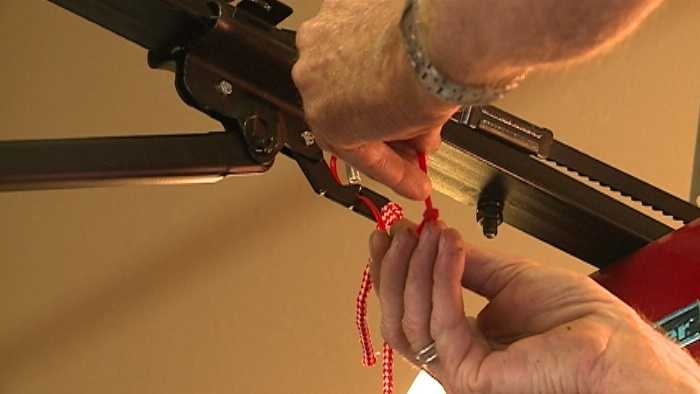
Have you ever worried about intruders slipping into your home through the garage while you are away? It is a common fear, but learning how to secure your garage door with a zip tie is a brilliant, low-cost trick to protect your property. Let’s dive into this simple DIY hack that gives you instant peace of mind without breaking the bank.
Why Learning How To Secure Your Garage Door With A Zip Tie Matters
Attached garages are incredibly convenient, especially during harsh winters or humid summers. However, they also present a unique vulnerability that many homeowners overlook.
Burglars frequently use a method known as the “coat hanger trick” or “fishing.” A thief will simply wedge a tool between the top weather seal of your garage door, slide a wire coat hanger inside, and hook the red emergency release cord. By pulling this cord, they disengage the door from the motorized trolley, allowing them to lift the heavy door manually and walk right into your home.
According to the FBI’s Uniform Crime Reporting (UCR) Program, over 1.1 million burglary offenses occur in the United States annually. A significant percentage of these intrusions happen through attached garages and side doors because they offer privacy from the street. Understanding the fundamentals of physical security starts with identifying and neutralizing your home’s most vulnerable entry points. By securing the release latch, you effectively block the most common low-tech entry method used by opportunistic criminals.
The Pros and Cons of the Zip Tie Security Hack
Before grabbing your tools, it is essential to weigh the benefits and drawbacks of this popular home security hack. While highly effective against specific threats, it does come with safety trade-offs that every homeowner must consider.
| Feature | Pros of the Zip Tie Hack | Cons of the Zip Tie Hack |
|---|---|---|
| Cost | Extremely cheap (pennies per tie). | None. |
| Installation Time | Takes less than 3 minutes to install. | Requires a ladder and basic hand tools. |
| Security Efficacy | Completely blocks the “coat hanger” fishing method. | Does not stop brute force attacks or side-door lock picking. |
| Safety Impact | Keeps intruders out while you are on vacation. | Major Hazard: Can trap you inside during a power outage or house fire if not managed properly. |
| Maintenance | Zero daily maintenance required. | UV rays and extreme heat can degrade the plastic over 2–3 years. |
Step-by-Step Tutorial: The Zip Tie Garage Door Lock
Ready to fortify your home? Follow these concrete, step-by-step instructions to safely apply this garage door security hack.
Tools Required:
- 1 Heavy-duty, UV-resistant black zip tie (minimum 8 inches in length, 50 lbs tensile strength).
- Wire snips or heavy-duty scissors.
- A sturdy stepladder.
- Safety glasses.
Step 1: Prepare Your Workspace Ensure the temperature in your garage is between 50°F and 85°F when installing. Extreme cold can make standard plastics brittle during the tightening process, leading to premature snapping. Position your stepladder safely directly beneath the garage door motor rail.
Step 2: Locate the Emergency Release Mechanism Look up at the motorized rail. You will see a trolley mechanism connected to the door arm. Hanging from this trolley is a red handle with a cord. This is the emergency release latch. Notice the small metal lever that the cord is tied to; this lever locks and unlocks the trolley.
Step 3: Thread the Zip Tie Take your 8-inch heavy-duty zip tie and thread it through the small hole at the top of the red release handle. Next, loop the tail of the zip tie through the corresponding hole on the moving trolley carriage or the adjacent stationary rail bracket (depending on your specific opener model, such as Chamberlain or Genie).
Step 4: Secure and Tighten Pull the zip tie tight. The goal is to bind the release lever so it cannot be pulled downward by a wire hanger. Leave exactly 1/4 inch of slack. If it is too tight, the natural vibration of the door opening and closing could snap the plastic over time. If it is too loose, a burglar’s hook might still catch the lever.
Step 5: Trim the Excess Using your wire snips, cut the excess tail of the zip tie as close to the locking head as possible. Leaving a long, sharp plastic tail can scratch your car or snag on your clothing.
Crucial Safety Warning: Fire Hazards and Emergency Egress
While learning how to secure your garage door with a zip tie keeps criminals out, you must ensure it does not trap you inside.
If a house fire occurs or the power grid fails, you need an immediate exit route. The emergency release cord exists specifically so you can manually open the heavy garage door during an emergency. If you zip-tie the latch and lose power, you will be trapped inside your garage.
The Expert Solution: Never zip-tie your garage door if you are sleeping in the house or if you do not have an alternative exit route (like a standard pedestrian door leading to the backyard). If you use this hack while on vacation, ensure you have a pair of wire cutters or heavy-duty safety scissors hanging on a nail exactly 3 feet away from the door mechanism. This ensures you can instantly snip the tie in an emergency, but a burglar cannot reach the cutters from outside.
Expert Insights and Upgrading Your Garage Security
Michael Silva, a certified physical security professional and former law enforcement officer, notes, “A zip tie is a fantastic deterrent against crimes of opportunity. However, true home defense relies on layered security. A criminal who fails the zip tie test will simply move to your side-door deadbolt or a window.”
To build a robust security perimeter around your garage, pair your zip tie hack with these secondary upgrades:
- Smart Garage Controllers: Devices like MyQ allow you to monitor your garage door’s status from your smartphone and receive alerts if it is left open.
- Motion-Sensor Floodlights: Install 3000-lumen LED floodlights above the garage door. Sudden, bright light is a massive deterrent for nocturnal intruders.
- Side Door Reinforcement: Install a heavy-duty strike plate with 3-inch screws on the pedestrian door leading from the garage into your house.
- Door Defenders: Install a physical deadbolt or a sliding bar lock on the interior track of the garage door itself for maximum brute-force protection.
Frequently Asked Questions (FAQ)
Q1: Is it safe to zip tie the garage door emergency release? It is safe only if you are away from home or have a secondary escape route. If you are home and a fire breaks out, a zip tie could prevent you from manually opening the door during a power outage. Always keep a cutting tool nearby if you choose to use this hack while occupying the home.
Q2: Will a zip tie stop all types of garage break-ins? No. A zip tie specifically prevents the “coat hanger” fishing method used to pull the emergency release cord. It will not stop a burglar from drilling the lock on your side pedestrian door, breaking a window, or using brute force to pry the main door open. It is one layer of a broader security strategy.
Q3: What size zip tie should I use for my garage door? You should use a heavy-duty, UV-resistant black zip tie that is at least 8 inches long with a tensile strength of 50 lbs or more. Standard, thin white zip ties will become brittle under the heat of the garage motor and snap within a few months.
Q4: Can I use a regular wire or twist tie instead of a zip tie? While a wire or twist tie can technically block the lever, metal wires can conduct electricity or interfere with the safety sensors if they drop. Furthermore, wire can easily be snipped by thieves using specialized hook tools. A thick plastic zip tie provides the right balance of durability and non-conductivity.
Q5: How often should I replace the zip tie on my garage door? You should inspect the zip tie every 6 months. The heat generated by the garage door motor, combined with UV exposure from sunlight entering the driveway, will degrade the plastic over time. If the zip tie feels brittle, shows micro-cracks, or has lost its flexibility, cut it off and replace it immediately.
Conclusion
Learning how to secure your garage door with a zip tie is one of the most effective, budget-friendly DIY security hacks available to modern homeowners. By spending less than a dollar and three minutes of your time, you can completely neutralize the infamous coat hanger trick and force opportunistic burglars to look elsewhere. Remember to balance your security with safety by keeping emergency cutting tools accessible, and consider layering this hack with smart home technology for ultimate protection.
Leave a Reply