Introduction
Hurricanes bring devastating winds, heavy rain, and flying debris that can turn your garage door into a vulnerable entry point for damage. If you’re wondering how to secure your garage door during a hurricane, you’re not alone—thousands of homeowners face this critical challenge every storm season. A failed garage door can compromise your entire home’s structural integrity, leading to costly repairs and safety hazards. This guide provides actionable, expert-backed strategies to fortify your garage door before the storm hits.
Why Is Your Garage Door Vulnerable in a Hurricane?
Before diving into solutions, it’s essential to understand why garage doors are weak points during hurricanes.
The Science Behind Garage Door Failure
Garage doors are typically the largest opening on a house, making them susceptible to wind pressure. According to the Federal Emergency Management Agency (FEMA), garage door failure accounts for nearly 80% of hurricane-related home damage. When high winds hit, they create positive pressure on the windward side and negative pressure on the leeward side. If the garage door fails, wind rushes into your home, potentially lifting the roof off or collapsing walls.
Key Statistic: Homes with reinforced garage doors are 75% less likely to suffer major structural damage during Category 3+ hurricanes.
Common Weak Points
- Single-layer panels: Lack insulation and structural strength.
- Older springs and tracks: Prone to snapping under stress.
- Poor sealing: Allows water and debris infiltration.
Step-by-Step Guide: How To Secure Your Garage Door During A Hurricane
Follow these proven steps to maximize protection. Each method is ranked by effectiveness and ease of implementation.
1. Install a Hurricane-Rated Garage Door Brace Kit
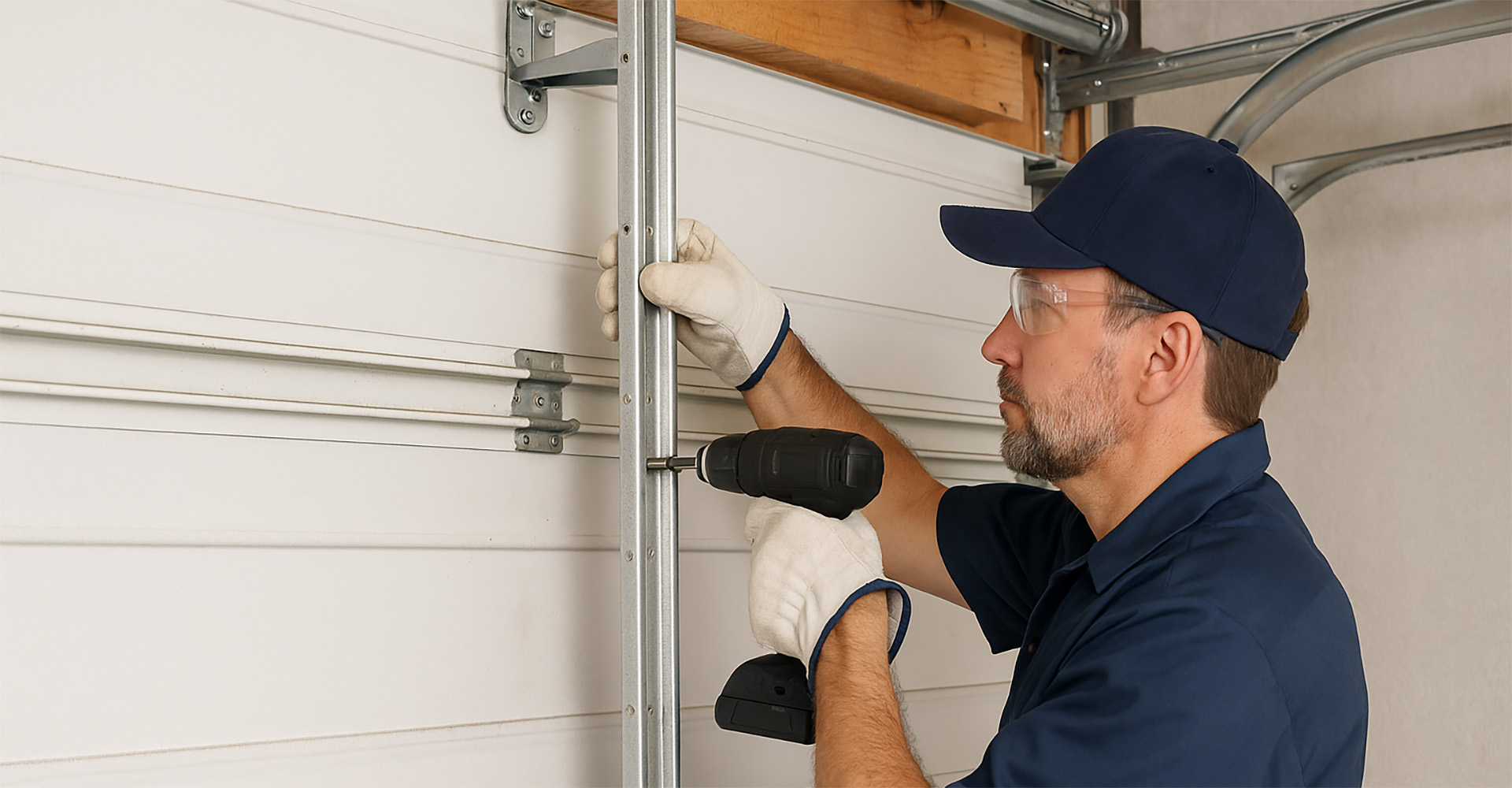
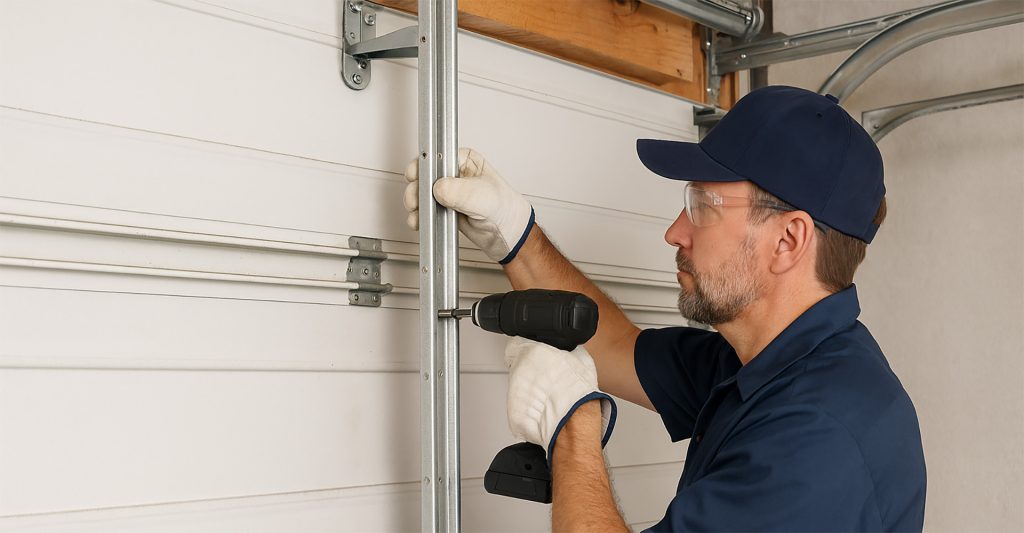
What It Is: A metal brace system that reinforces the door from the inside, preventing it from bowing inward.
How to Install:
- Purchase a FEMA-approved brace kit (e.g., Clopay or Wayne Dalton models).
- Measure your door’s width and height.
- Attach vertical braces to the interior panels using provided screws.
- Secure horizontal crossbars at the top, middle, and bottom.
- Tighten all bolts to manufacturer specifications (typically 15–20 ft-lbs torque).
Cost: $50–$150
Time Required: 1–2 hours
Effectiveness: High (blocks up to 140 mph winds)
2. Reinforce with Plywood Panels
If a brace kit isn’t available, plywood is a reliable alternative.
Materials Needed:
- ½-inch or ¾-inch exterior-grade plywood
- 2×4 lumber for framing
- Lag screws (3 inches long)
- Drill and saw
Installation Steps:
- Cut plywood to fit each garage door panel.
- Frame the back of each panel with 2x4s for added rigidity.
- Screw the plywood directly into the door’s internal structure.
- Use at least 6 screws per panel, spaced evenly.
Pro Tip: Label each panel for quick removal post-storm.
3. Upgrade to Impact-Resistant Garage Doors
For long-term protection, consider replacing your old door with a hurricane-rated model.
| Feature | Standard Door | Hurricane-Rated Door |
|---|---|---|
| Wind Resistance | Up to 90 mph | Up to 175 mph |
| Material | Single-layer steel | Multi-layer insulated steel |
| Cost | $800–$1,500 | $2,000–$4,000 |
| Lifespan | 10–15 years | 20+ years |
Expert Quote:
“Investing in a certified impact-resistant door is like buying insurance for your home’s biggest vulnerability.”
— John Martinez, Structural Engineer, Miami-Dade County Building Department
4. Seal Gaps and Reinforce Tracks
Even small gaps can let in wind-driven rain and debris.
- Weatherstripping: Replace worn seals around the door perimeter.
- Track Brackets: Tighten or replace loose brackets holding the vertical tracks.
- Bottom Seal: Install a rubber threshold seal to block water entry.
5. Disconnect the Automatic Opener
During extreme winds, automatic openers can fail or cause the door to jerk unexpectedly.
Steps:
- Pull the emergency release cord (usually red).
- Manually lock the door using the interior latch.
- Store the opener remote in a safe, dry place.
What Do Experts Recommend for Maximum Protection?
Leading organizations agree on a multi-layered approach:
- FEMA Guidelines: Recommend bracing kits or plywood for existing doors and replacement with rated doors for new construction.
- Insurance Institute for Business & Home Safety (IBHS): Advocates for impact-resistant windows and doors to prevent pressurization.
- National Oceanic and Atmospheric Administration (NOAA): Emphasizes early preparation—at least 48 hours before landfall.
For more details on building codes, visit Wikipedia’s page on Hurricane-Resistant Construction.
Common Mistakes to Avoid
- Using thin plywood (<½ inch): It will shatter under debris impact.
- Ignoring the tracks: Weak tracks collapse even if the door is braced.
- Waiting until the last minute: Supplies sell out quickly; prepare early.
- Forgetting to test manual operation: Ensure you can open/close the door without power.
FAQ Section
Q1: Can I use duct tape to secure my garage door?
A: No. Duct tape offers negligible structural support and may leave residue. Use proper bracing or plywood instead.
Q2: How much wind can a standard garage door withstand?
A: Most standard doors resist up to 90–110 mph. Hurricane-rated doors handle 140–175 mph.
Q3: Should I leave the garage door slightly open to relieve pressure?
A: Absolutely not. This allows wind and debris inside, increasing damage risk. Keep it fully closed and locked.
Q4: How early should I start securing my garage door?
A: Begin preparations 48–72 hours before the expected storm arrival. This gives time for adjustments and avoids last-minute panic.
Q5: Are there smart devices that help monitor garage door security?
A: Yes. Smart garage controllers (e.g., Chamberlain MyQ) send alerts if the door opens unexpectedly. However, they don’t replace physical reinforcement.
Q6: What if my garage door is already damaged?
A: Do not attempt to reinforce a compromised door. Replace it immediately or consult a professional. A weakened door can collapse catastrophically.
Conclusion
Knowing how to secure your garage door during a hurricane is one of the most impactful steps you can take to protect your home and family. Whether you install a brace kit, reinforce with plywood, or upgrade to a hurricane-rated door, early action saves money, stress, and potential disaster. Don’t wait for the warning sirens—prepare now.
Share this guide with friends and neighbors on social media. Together, we can build safer, more resilient communities. Stay safe, stay prepared, and let’s weather the storm as one.
Leave a Reply