Is your garage door stuck, making grinding noises, or hanging unevenly? You’re not alone—thousands of homeowners face this frustrating issue every year. Knowing how to put a garage door wheel back on track can save you hundreds in repair costs and restore smooth operation quickly. In this comprehensive guide, we’ll walk you through the exact steps, safety measures, and pro tips to get your garage door running like new again.
Why Do Garage Door Wheels Come Off Track?
Before diving into the fix, it’s essential to understand why this happens. Garage door rollers (wheels) can derail due to several common causes:
- Loose or damaged tracks: Over time, vibrations and regular use can loosen the bolts holding the tracks in place.
- Worn-out rollers: Plastic or steel rollers degrade after years of use, causing misalignment.
- Impact damage: Accidentally hitting the door with a vehicle or object can bend the track.
- Poor installation: If the door wasn’t aligned correctly during installation, problems arise sooner.
According to the International Door Association, approximately 30% of garage door service calls involve track or roller issues. Understanding the root cause helps prevent future occurrences.
Tools and Safety Gear You’ll Need
Safety first! Working with garage doors involves heavy components under tension. Gather these items before starting:
Essential Tools:
- Adjustable wrench or socket set
- Pliers (locking pliers recommended)
- Rubber mallet
- Level
- Ladder (stable and tall enough)
- Lubricant (silicone-based preferred)
Safety Equipment:
- Work gloves
- Safety glasses
- Closed-toe shoes
⚠️ Critical Warning: Never attempt repairs if the garage door springs are broken or if you’re unsure about handling tensioned components. Garage door springs store significant energy and can cause severe injury. If in doubt, call a professional.
Step-by-Step Guide: How To Put A Garage Door Wheel Back On Track
Follow these detailed steps carefully. Take your time—rushing increases the risk of injury or further damage.
Step 1: Disconnect the Garage Door Opener
Locate the emergency release cord (usually red) hanging from the opener rail. Pull it down to disengage the door from the automatic mechanism. This allows you to operate the door manually without resistance from the motor.
Step 2: Secure the Door in Place
With the help of an assistant, lift the door slightly to relieve pressure on the derailed roller. Use locking pliers or C-clamps to secure the door to the track below the problem area. This prevents the door from sliding unexpectedly while you work.
Step 3: Inspect the Track and Roller
Examine the metal track for bends, dents, or debris. Check the roller itself for cracks, chips, or excessive wear. If the track is bent, you may need to gently straighten it using a rubber mallet. Replace any severely damaged rollers—this is not the time to cut corners.
Step 4: Align the Track
Use a level to ensure both vertical and horizontal tracks are properly aligned. Loose bolts are often the culprit. Tighten all track brackets securely, but avoid over-tightening, which can warp the metal. The track should be parallel to the door panels with consistent spacing (typically ¼ inch clearance).
Step 5: Reinsert the Wheel Into the Track
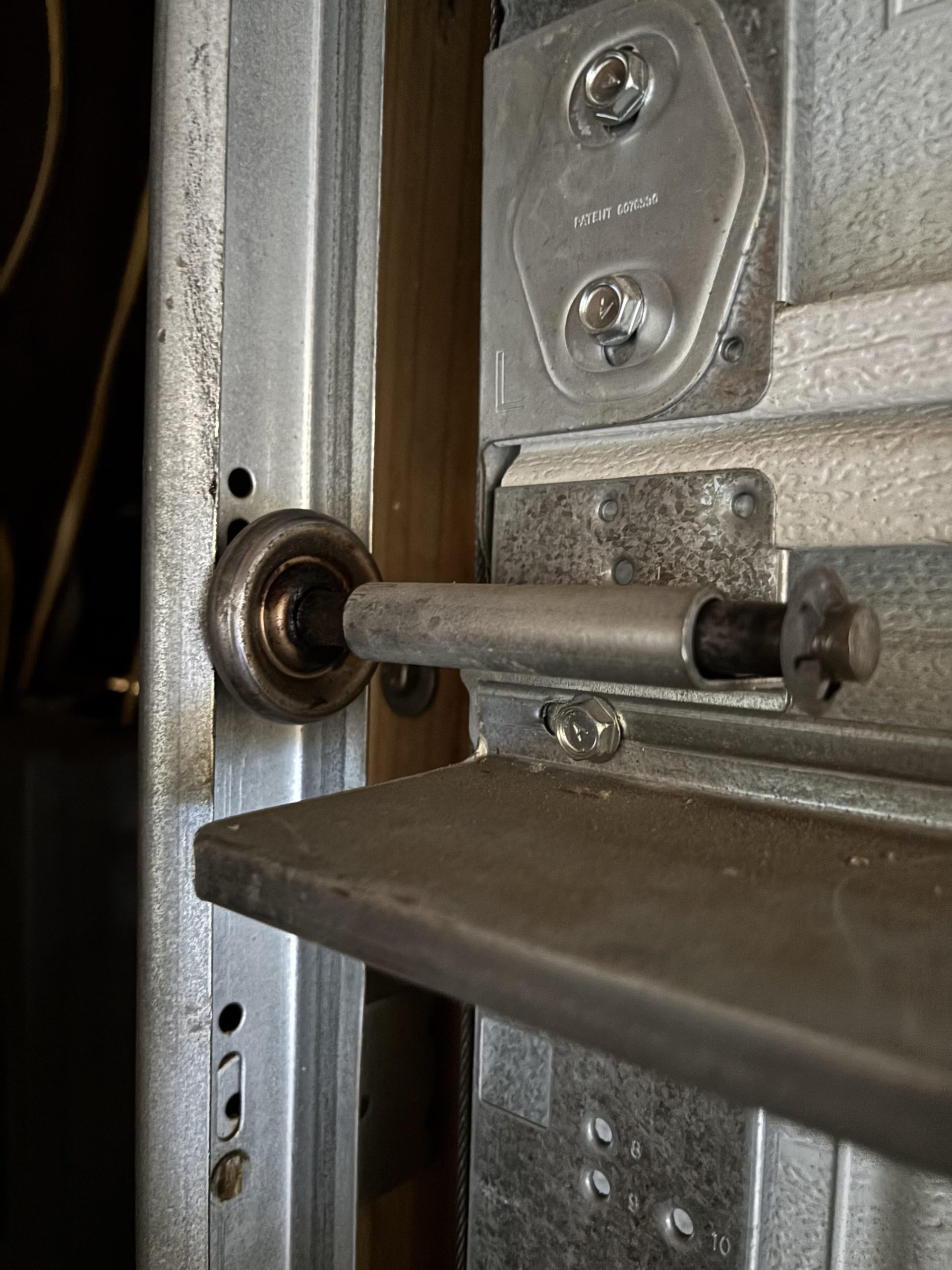
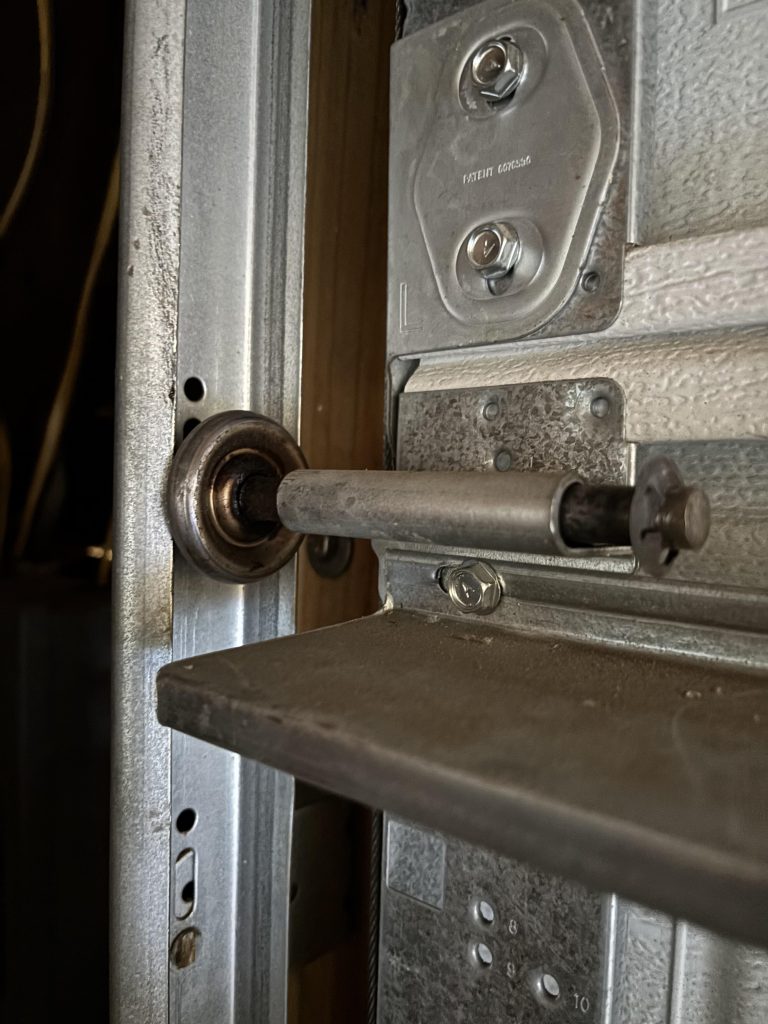
Carefully lift the door section containing the derailed roller. Guide the wheel back into the track channel. You may need to angle it slightly to seat it properly. Once inserted, roll the door up and down manually a few times to confirm smooth movement.
Step 6: Lubricate and Test
Apply silicone-based lubricant to the rollers, hinges, and track. Avoid WD-40 or grease, as these attract dust and gum up over time. Reconnect the opener by pulling the release handle toward the motor unit. Test the door through several complete cycles, listening for unusual noises.
For more information on garage door components and safety standards, visit Wikipedia’s Garage Door page.
Common Mistakes to Avoid
Even experienced DIYers make errors. Here’s what not to do:
| Mistake | Consequence | Better Approach |
|---|---|---|
| Ignoring spring tension | Serious injury risk | Call a pro if springs are involved |
| Using wrong lubricant | Attracts dirt, causes buildup | Use silicone spray only |
| Skipping track inspection | Problem recurs quickly | Check entire track system |
| Over-tightening bolts | Warped or cracked track | Snug, not forced |
When to Call a Professional
While many track issues are DIY-friendly, certain situations require expert assistance:
- Broken or snapped springs: These are extremely dangerous to handle without proper training and tools.
- Severely bent tracks: Minor bends can be fixed, but major damage requires replacement.
- Repeated derailments: If the wheel keeps coming off, there’s likely an underlying alignment or structural issue.
- Older doors (15+ years): Worn components throughout the system may need comprehensive evaluation.
The average cost for professional garage door track repair ranges from $150 to $350, depending on severity and location. Investing in professional service can prevent costly emergencies later.
Preventive Maintenance Tips
Keep your garage door operating smoothly with these simple habits:
- Monthly visual inspections: Look for loose bolts, rust, or worn rollers.
- Quarterly lubrication: Apply silicone spray to moving parts.
- Annual professional tune-up: Have a technician check springs, cables, and alignment.
- Keep tracks clean: Remove dirt, leaves, and debris regularly.
- Avoid forcing the door: If it feels resistant, stop and investigate.
FAQ Section
Q1: Can I fix a derailed garage door wheel by myself?
A: Yes, in most cases. If the issue is simply a roller that popped out of a straight, undamaged track, you can safely reinsert it following the steps above. However, if you notice bent tracks, broken springs, or significant damage, contact a professional.
Q2: How much does it cost to replace a garage door roller?
A: Individual rollers typically cost between $10 and $30 each. Labor adds $50 to $100 if you hire someone. Most garage doors have 8–10 rollers, so replacing all at once during maintenance is cost-effective.
Q3: Why does my garage door keep coming off track?
A: Recurring derailments usually indicate loose track brackets, worn rollers, or misalignment. Tighten all hardware, replace aged rollers, and ensure tracks are level. If problems persist, a professional assessment is recommended.
Q4: Is it safe to use WD-40 on garage door tracks?
A: No. WD-40 is a degreaser, not a long-term lubricant. It evaporates quickly and attracts dust, leading to buildup and increased friction. Use a silicone-based or lithium-based garage door lubricant instead.
Q5: How often should I lubricate my garage door?
A: Every 3–6 months, or whenever you notice squeaking or stiff movement. Regular lubrication extends the life of rollers, hinges, and springs significantly.
Q6: What type of rollers are best for garage doors?
A: Nylon rollers are quieter and require less maintenance than steel, making them ideal for residential use. Steel rollers are more durable but noisier. Ball-bearing rollers offer the smoothest operation and longest lifespan.
Conclusion
Learning how to put a garage door wheel back on track empowers you to handle common garage door issues confidently and economically. By following the step-by-step instructions, prioritizing safety, and performing regular maintenance, you can keep your garage door operating smoothly for years to come.
Remember: if anything feels beyond your comfort level, don’t hesitate to call a licensed technician. Your safety is worth far more than the cost of a service call.
Leave a Reply