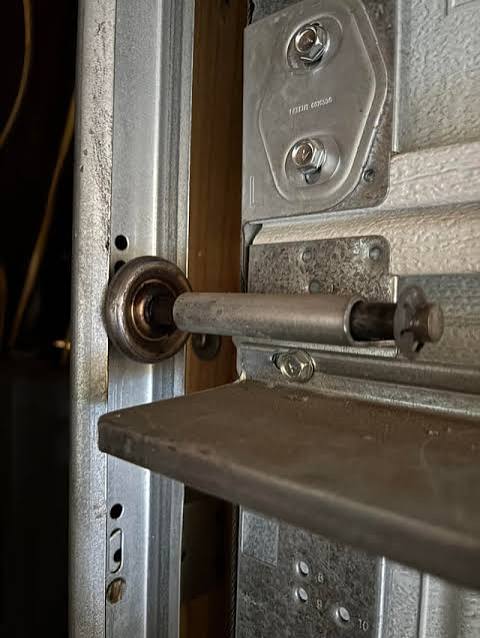
A garage door that has jumped its track is more than just an inconvenience; it is a significant safety hazard that can leave your home vulnerable and your vehicle trapped. If you are searching for how to put a garage door back on the track, you are likely dealing with a stressful situation that requires immediate, careful attention. While minor realignments can sometimes be handled by a confident homeowner, understanding the risks and proper procedures is vital before you ever pick up a wrench.
When Is It Safe to Fix an Off-Track Garage Door Yourself?
Before attempting any repair, you must accurately assess the severity of the damage. Not every derailed door is a DIY candidate, and misjudging the situation can lead to severe injury or total system failure. According to industry safety standards, garage doors are under extreme tension, and the springs alone can exert hundreds of pounds of force.
You should only attempt to re-track a door if:
- The door is manually operable and not stuck mid-cycle.
- There is no visible damage to the torsion or extension springs.
- The rollers are intact and simply popped out due to an obstruction.
- The tracks are straight and not bent or warped.
Stop immediately and call a professional if:
- The torsion spring is broken or unwound.
- The steel cables are frayed, snapped, or loose.
- The track itself is bent, kinked, or separated from the wall.
- The door fell violently or was impacted by a vehicle.
⚠️ Critical Safety Warning: Never attempt to adjust, repair, or replace garage door springs or cables yourself. These components store lethal amounts of kinetic energy. For comprehensive safety guidelines regarding mechanical systems and tension-based devices, refer to established safety protocols documented on Wikipedia.org.
What Tools Do You Need to Realign a Garage Door?
Having the correct tools prevents improvisation that leads to accidents. Gather these items before starting:
| Tool | Purpose | Safety Note |
|---|---|---|
| Locking Pliers (Vise-Grips) | Securing the track below the roller | Prevents door from sliding down |
| Rubber Mallet | Tapping rollers back into position | Protects metal finish |
| Adjustable Wrench | Tightening track bolts and brackets | Ensure proper torque |
| Level | Verifying track plumb and alignment | Critical for smooth operation |
| Safety Glasses & Gloves | Personal protection | Mandatory at all times |
| Stepladder | Safe access to upper track sections | Must be rated for your weight |
| C-Clamps | Temporary stabilization | Use as secondary support |
Ensure your workspace is clear of debris, children, and pets. Disconnect the automatic opener by pulling the emergency release cord before beginning any manual work.
Step-by-Step: How to Put a Garage Door Back on the Track
Follow this precise sequence to safely restore your door’s alignment. This process assumes the door is otherwise undamaged and the issue is strictly a roller displacement.
1. Secure the Door and Disconnect Power
Pull the red emergency release cord on the opener carriage to disengage the motor. Manually lower the door completely to the closed position. If the door will not close, use locking pliers clamped onto the track directly beneath a bottom roller to prevent uncontrolled descent. Never work under an unsupported door.
2. Identify the Derailed Rollers
Inspect both vertical and horizontal track sections. Locate which specific rollers have exited the track. Check for obstructions like debris, hardened grease, or damaged weather stripping that may have caused the derailment. Remove any foreign material before proceeding.
3. Loosen the Track Bolts
Using your adjustable wrench, slightly loosen (do not remove) the mounting bolts securing the affected track section to the wall or ceiling bracket. This creates enough flex to guide the roller back in. Typically, loosening 2–3 bolts adjacent to the derailed roller provides sufficient movement.
4. Guide the Roller Back Into Position
With a helper supporting the door panel near the derailed roller, gently tap the roller toward the track opening using a rubber mallet. Alternatively, carefully pry the track outward just enough to slip the roller inside. Do not force components. If excessive pressure is needed, reassess for hidden damage.
5. Re-tighten and Verify Alignment
Once all rollers are seated, hand-tighten the track bolts initially. Use a level to confirm the vertical track is perfectly plumb and the horizontal track maintains consistent spacing from the wall. Gradually tighten bolts in an alternating pattern to distribute pressure evenly. Over-torquing can warp the track and cause future derailments.
6. Test Operation Manually First
Remove all clamps and pliers. Slowly lift the door by hand through its full range of motion. It should move smoothly with minimal resistance. Listen for grinding, binding, or clicking sounds. Lower and raise the door 3–4 times to confirm stability. Only after flawless manual operation should you reconnect the opener.
7. Reconnect and Calibrate the Opener
Re-engage the opener carriage. Run one complete open-close cycle while observing closely. Adjust travel limits and force settings per manufacturer specifications if the door reverses prematurely or strains. Modern openers often require recalibration after manual intervention.
Why Did My Garage Door Come Off the Track?
Understanding root causes prevents recurrence. Common triggers include:
- Obstructed Tracks: Dirt, ice, or tools left in the path force rollers outward.
- Worn Rollers: Nylon rollers degrade over time; steel rollers develop flat spots. Replace every 7–10 years.
- Loose Hardware: Vibration from daily use gradually loosens track brackets and hinge bolts. Inspect quarterly.
- Imbalanced Door: Broken springs or cable issues shift weight unevenly, pushing rollers against track edges.
- Impact Damage: Vehicles, basketballs, or falling objects can bend tracks or dislodge panels.
Regular preventive maintenance reduces derailment risk by up to 80%, according to garage door service industry data. Lubricate rollers and hinges biannually with silicone-based spray, and test balance monthly by disconnecting the opener and lifting the door halfway—it should stay in place without assistance.
Frequently Asked Questions About Off-Track Garage Doors
Can I drive my car out if the garage door is off the track?
No. An off-track door is structurally unstable and could collapse without warning. Always secure the door in a fixed position using clamps or professional bracing before moving vehicles underneath. Prioritize safety over convenience.
How much does professional re-tracking cost?
National averages range from $150 to $350 for standard residential doors, depending on damage extent and regional labor rates. Bent tracks or broken rollers add $50–$150. Obtain three written estimates and verify technician licensing and insurance before hiring.
Will putting the door back on track void my warranty?
DIY repairs typically void manufacturer warranties, especially if improper techniques cause secondary damage. Document pre-existing conditions with photos before starting. When in doubt, authorized service preserves coverage and ensures compliance with safety standards.
How often should I inspect my garage door tracks?
Perform visual inspections monthly and thorough hardware checks quarterly. Look for gaps between rollers and track, loose bolts, rust accumulation, and unusual wear patterns. Annual professional tune-ups catch subtle issues before they escalate into emergencies.
Can I use WD-40 to lubricate garage door tracks?
Avoid petroleum-based lubricants like WD-40 on tracks—they attract dust and create gummy residue that increases friction. Use white lithium grease or silicone spray specifically formulated for garage doors. Apply sparingly to rollers and hinges only, never directly inside the track channel where rollers ride.
What signs indicate my door needs professional help instead of DIY?
Seek expert assistance if you notice spring damage, cable fraying, persistent noise after realignment, door imbalance, or repeated derailments within six months. These symptoms suggest systemic failures beyond simple roller displacement. Professional diagnosis prevents catastrophic failure and ensures long-term reliability.
Final Thoughts: Safety First, Function Second
Learning how to put a garage door back on the track empowers you to handle minor issues confidently, but recognizing your limits protects what matters most. A properly aligned door enhances security, energy efficiency, and daily convenience—but only when repaired correctly. Regular maintenance and prompt attention to warning signs transform reactive fixes into proactive peace of mind.
If this guide helped you navigate a tricky repair, share it with neighbors or friends who might face similar challenges. Tag us on social media with your success stories or questions—we’re here to support safe, informed homeownership. Your garage door works hard for you; treat it with the care it deserves, and it will serve you reliably for decades to come.
Leave a Reply