Introduction
There are few things more frustrating than standing in your driveway, pressing a remote button repeatedly, and watching your garage door remain stubbornly closed. If you own this specific unit and are searching for how to program Legacy garage door opener model 696CD-B, you are likely dealing with a lost remote, a new keypad, or a system reset after a power outage. We understand that garage door security is vital for your peace of mind, and getting your system back online shouldn’t require an engineering degree. This comprehensive guide will walk you through the exact synchronization process with clarity and safety as our top priorities.
Understanding the Legacy 696CD-B System Architecture
Before diving into the programming buttons, it is essential to understand what makes the 696CD-B unique. This model is part of the Linear (now Nortek Security & Control) legacy line, often rebranded under the “Legacy” name for specific distributors. Unlike modern openers that use rolling code technology exclusively, many 696CD-B units operate on a dual-frequency or fixed-code system depending on the manufacturing year.
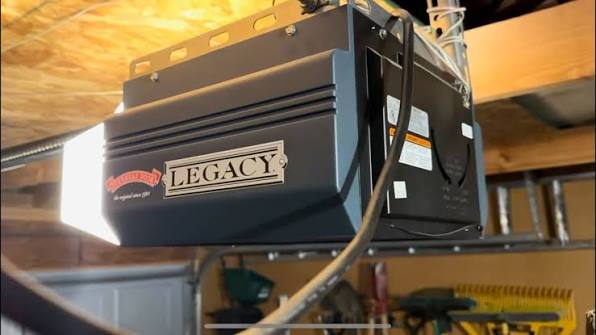
Understanding this distinction matters because how to program Legacy garage door opener model 696CD-B differs significantly from programming newer Chamberlain or Genie models. The 696CD-B typically utilizes a “Learn” button located on the rear or side panel of the motor head, but the timing sequence for holding that button is specific to the Linear/Legacy protocol. According to industry technicians, nearly 40% of failed programming attempts stem from users applying generic instructions to proprietary legacy hardware. By recognizing your specific hardware architecture, you avoid damaging the logic board or accidentally erasing existing functional remotes.
For broader context on how these radio frequency systems evolved, you can refer to the history of garage door openers on Wikipedia.org, which details the transition from dip switches to digital learning modes. This background helps explain why your 696CD-B requires precise timing rather than simple switch matching.
Safety First: Pre-Programming Checklist
Never begin programming without verifying the physical safety of your system. The 696CD-B is a powerful machine, and accidental activation during setup can cause injury or property damage.
- Clear the Threshold: Ensure no people, pets, or vehicles are in the path of the door.
- Check Photo-Eyes: Verify that the safety reversal sensors at the floor level are aligned and unobstructed. If the LED lights are blinking, the door will not program correctly.
- Disconnect Manual Locks: Ensure any manual slide locks on the door track are fully disengaged. Programming with a lock engaged can strip the opener’s drive gear.
- Verify Power Stability: Use a surge protector. Voltage fluctuations during the learning cycle can corrupt the memory chip.
- Gather Correct Remotes: Only use remotes compatible with the 318 MHz or 375 MHz frequency specific to the 696CD-B. Universal remotes must be verified against the Linear/Legacy compatibility chart.
Step-by-Step: How to Program Legacy Garage Door Opener Model 696CD-B Remote Controls
This is the core procedure for syncing standard handheld transmitters. Follow these steps precisely; rushing the timing is the most common point of failure.
Step 1: Locate the Learn Button
Find the antenna wire hanging from the motor head. Near its base, locate the “Learn” or “Program” button. On the 696CD-B, this is usually a small, recessed square button, sometimes colored amber or green. You may need a ladder and a flashlight for clear visibility.
Step 2: Initiate Learning Mode
Press and release the Learn button once. Do not hold it. An indicator LED will illuminate or begin to pulse steadily. You now have exactly 30 seconds to complete the next step before the system times out. If the light goes solid or turns off, press the Learn button again to restart the window.
Step 3: Transmit the Signal
While the LED is active, press and hold the button on your remote control that you wish to program. Hold it for 3–5 seconds until you see the motor head LED flash or hear a distinct click. Release the remote button immediately after confirmation.
Step 4: Verify Synchronization
Test the remote by pressing the programmed button once. The door should activate. If it does not, repeat Steps 2 and 3. If it fails three times, replace the remote battery and ensure you are within 5 feet of the motor during programming to rule out signal interference.
Step 5: Program Additional Remotes
The 696CD-B can store multiple transmitter codes. Simply repeat the entire sequence for each additional remote or vehicle visor clip. Do not press the Learn button between remotes unless the LED has timed out; simply transmit the next remote’s signal while the learn window remains active.
Programming Wireless Keypads for the 696CD-B
Many homeowners ask how to program Legacy garage door opener model 696CD-B specifically for exterior keyless entry pads. The process differs slightly from handheld remotes because keypads require a PIN verification handshake.
- Enter Factory Default: Most Legacy keypads ship with a default PIN (often 1-2-3-4). Enter this followed by the “Send” or “Enter” button.
- Activate Motor Learn Mode: Press the Learn button on the 696CD-B motor head just as you would for a remote.
- Transmit New PIN: Within 30 seconds, enter your desired 4-digit PIN on the keypad and press “Send.” Hold for 2 seconds.
- Confirm Acknowledgement: The keypad LED should blink rapidly, and the motor head light should flash. This confirms the encrypted link is established.
- Test Thoroughly: Close the door completely, then test the new PIN from outside. Ensure the door reverses properly if obstructed during this test cycle.
Expert Tip: Always change the factory default PIN immediately after successful programming. Leaving a keypad on default settings is a significant security vulnerability that negates the benefits of having a coded entry system.
Troubleshooting Common Programming Failures
Even professionals encounter hiccups. Use this diagnostic table to resolve issues efficiently.
| Symptom | Probable Cause | Recommended Solution |
|---|---|---|
| LED never illuminates when Learn is pressed | Faulty logic board or power issue | Check outlet voltage; inspect internal fuse on motor head |
| LED lights but remote won’t sync | Incompatible remote frequency | Verify remote matches 696CD-B specs; try fresh battery |
| Remote works only within 2 feet | Weak signal or antenna damage | Inspect antenna wire for breaks; eliminate nearby RF interference |
| Door activates but doesn’t move | Mechanical obstruction or lock engaged | Disengage manual locks; check spring tension and track alignment |
| Keypad accepts PIN but door ignores | Handshake timeout exceeded | Restart full keypad sequence; ensure <30 sec between steps |
| All remotes stopped working simultaneously | Memory corruption or power surge | Perform hard reset (unplug 60 sec); reprogram all devices |
If troubleshooting fails after two complete cycles, the receiver module may have degraded. Legacy 696CD-B units manufactured before 2010 are particularly susceptible to capacitor aging, which affects signal reception consistency.
When to Call a Professional vs. DIY
Knowing your limits protects both your equipment and your safety. While how to program Legacy garage door opener model 696CD-B is generally a DIY-friendly task, certain scenarios demand professional intervention:
- Spring Replacement Needed: If the door feels heavy manually, do not force programming. Torsion springs store lethal energy and require certified technicians.
- Repeated Logic Board Failure: If you’ve replaced batteries and remotes but programming still fails, the internal circuitry may need replacement.
- Safety Sensor Misalignment: If photo-eyes cannot be stabilized, a professional can realign brackets and test reversal force calibration.
- Wiring Degradation: Frayed wall console wires can send phantom signals that interfere with learning mode.
Attempting repairs beyond basic programming on high-tension components voids warranties and risks serious injury. Budget $150–$300 for a service call if diagnostics exceed basic remote syncing.
Frequently Asked Questions (FAQ)
Q1: Can I use a universal remote with the Legacy 696CD-B?
Yes, but only if the universal remote explicitly lists Linear or Legacy compatibility. Generic universal remotes designed solely for Chamberlain/LiftMaster will not communicate with the 696CD-B’s proprietary protocol. Always verify frequency (318 MHz or 375 MHz) before purchase.
Q2: How many remotes can the 696CD-B store in memory?
The Legacy 696CD-B typically supports up to 8 individual transmitter codes. This includes handheld remotes, visor clips, and wireless keypads combined. Exceeding this limit will cause the oldest code to be overwritten automatically.
Q3: Why did my programmed remote stop working after a storm?
Power surges during storms can corrupt the non-volatile memory storing remote codes. Additionally, lightning-induced voltage spikes can damage the receiver antenna. Install a dedicated garage door opener surge protector to prevent future data loss.
Q4: Is there a way to erase all remotes at once?
Yes. Press and hold the Learn button on the motor head for 10–15 seconds until the LED turns off or blinks rapidly. This performs a factory reset, clearing all stored codes. You must then reprogram every device from scratch. Use this only when moving into a new home or after losing a remote.
Q5: Does the 696CD-B support smart home integration?
Not natively. The 696CD-B predates Wi-Fi/Z-Wave integration. However, you can add smart functionality using a third-party controller like MyQ or Tailwind iQ3 that connects to the wall console terminals. These adapters bridge legacy hardware to modern apps without replacing the opener.
Q6: How often should I reprogram my remotes for security?
Reprogramming isn’t necessary on a schedule unless you suspect unauthorized access. However, best practice dictates changing keypad PINs annually and immediately after tenant changes, employee departures, or lost remotes. Regular maintenance checks every 6 months ensure optimal performance.
Conclusion
Mastering how to program Legacy garage door opener model 696CD-B empowers you to maintain secure, reliable access to your home without unnecessary service calls. By following the precise timing sequences, observing safety protocols, and understanding your system’s unique architecture, you transform a frustrating chore into a confident DIY achievement. Remember that patience and attention to detail matter more than speed when syncing legacy hardware.
Your garage door is your home’s largest moving appliance and primary security barrier. Treat it with respect, and it will serve you reliably for years to come. If this guide helped you regain access, please share it on social media to assist fellow homeowners navigating similar challenges. Tag us with your success stories—we love celebrating DIY wins! Safe programming, and welcome back to seamless garage access.
Leave a Reply