Introduction
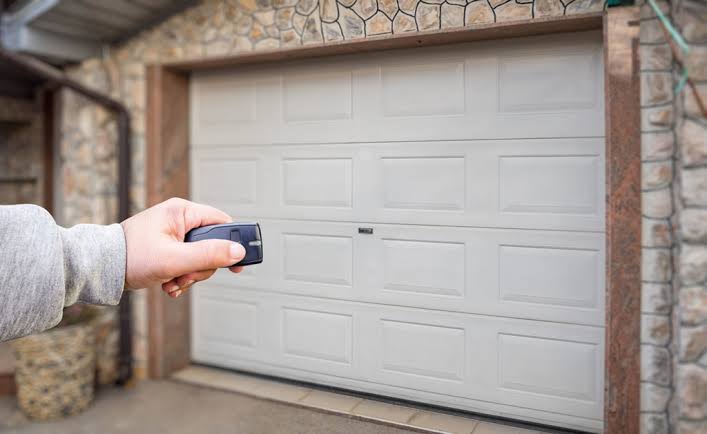
There are few things more frustrating than standing in your driveway, realizing you have lost your remote, and wondering how to open locked garage door from outside without remote. Whether you are locked out after a power outage or simply misplaced your clicker, this situation requires safe, non-destructive solutions to avoid costly damage. In this guide, we will walk you through legitimate emergency entry methods, safety precautions, and long-term prevention strategies so you can regain access quickly and securely.
Understanding Why Your Garage Door Won’t Open
Before attempting any physical intervention, it is vital to understand the mechanism at play. Modern garage doors are designed with security as a priority, meaning they lack external keyholes for the main door panel itself. According to Wikipedia, most residential overhead doors utilize a trolley-and-rail system connected to an electric motor, with a manual release cord serving as the primary fail-safe during power failures.
When you are locked outside, the issue typically falls into one of three categories:
- Dead Batteries/Remote Failure: The door is functional, but the signal isn’t transmitting.
- Power Outage/Tripped Breaker: The motor has no electricity, engaging the lock mechanism.
- Mechanical Jam/Misalignment: Sensors are blocked, or the track is obstructed.
Identifying the root cause prevents unnecessary force that could bend tracks or shatter window panels. Always check for simple fixes like replacing remote batteries or resetting the GFCI outlet near the opener before proceeding to manual methods.
Method 1: Using the Emergency Release Cord (If Accessible)
The emergency release cord is the manufacturer-approved method for disengaging the door from the motor. However, this cord is located inside the garage. If you have an attached garage with an interior service door that is unlocked, this is your safest option.
Step-by-Step Manual Release
- Locate the Red Cord: Find the red handle hanging from the opener rail near the motor unit. It is usually positioned within 6 feet of the floor.
- Pull Down Firmly: Grasp the cord and pull straight down toward the floor. You should hear a distinct click indicating the trolley has disengaged from the carriage.
- Lift the Door Manually: With the mechanism disengaged, grip the bottom handle of the door. Lift smoothly using your legs, not your back. A properly balanced door should weigh less than 10 lbs when lifted; if it feels heavier, the springs may be broken—stop immediately.
- Secure the Door: Once open, prop the door with a sturdy object or engage the manual lock to prevent it from slamming shut unexpectedly.
⚠️ Safety Warning: Never attempt to pull the emergency release while the door is in motion or partially open. This can cause the door to crash down due to unbalanced spring tension, leading to severe injury or property damage.
Method 2: External Key Lock Cylinder (Older Models)
Some older garage doors (pre-2000s) feature an external T-handle lock or key cylinder. If your home has original hardware, check the center of the door for a keyed entry point.
How to Use an External Lock
- Insert Correct Key: Use the original key or a professionally cut duplicate. Do not use makeshift tools, as this can shear the internal tumblers.
- Turn and Pull: Rotate the key 90 degrees and pull the T-handle outward. This mechanically retracts the internal latch bolts.
- Lift Normally: After unlocking, lift the door by hand. Note that the opener will still be engaged unless you also pull the interior release cord once inside.
If you do not have the key, do not pick or drill the lock. Contact a licensed locksmith specializing in garage doors. Drilling can destroy the locking bar assembly, turning a $50 lock replacement into a $400 door repair.
Method 3: Checking for Alternative Entry Points
Sometimes the solution isn’t forcing the main door but finding an overlooked access point. Many homeowners forget about secondary entries that bypass the main overhead door entirely.
| Entry Point | Accessibility | Security Risk | Best For |
|---|---|---|---|
| Interior Service Door | High (if unlocked) | Low | Attached garages |
| Side Pedestrian Door | Medium | Medium | Detached garages |
| Window Panels | Low | High (breakage risk) | Absolute emergencies only |
| Pet Door Flap | Variable | Medium | Small pets/tools retrieval |
Pro Tip: Before attempting any forced entry, walk the perimeter of your garage. Check side doors, basement bulkheads, or even second-story windows above the garage. These are often left unlocked and provide safer access than compromising the main door.
What NOT To Do: Avoiding Costly Damage
In desperation, many homeowners resort to destructive methods that violate safety standards and void warranties. Avoid these common mistakes:
- Prying the Bottom Seal: Using crowbars or screwdrivers to lift the door from the bottom will bend the aluminum threshold and tear the weather seal. Repair costs average $200–$350.
- Cutting Through Panels: Garage door skins are thin steel or aluminum over foam insulation. Cutting creates irreparable damage requiring full panel replacement ($500+).
- Climbing on the Roof: Attempting to enter through roof vents or skylights is extremely dangerous. Falls from garage roofs account for thousands of ER visits annually.
- Using Coat Hangers Through Windows: While sometimes effective for car doors, garage window mechanisms differ significantly. You risk shattering tempered glass, which breaks into hazardous granules.
Prevention: Never Get Locked Out Again
Once you’ve regained access, take proactive steps to prevent future lockouts. Industry experts recommend implementing at least two backup entry methods.
Smart Solutions
- Install a Smart Garage Controller: Devices like Chamberlain myQ or Tailwind allow smartphone control via Wi-Fi. Even if you lose your remote, your phone becomes the key. Average cost: $30–$80 plus installation.
- External Keypad Entry: Weatherproof keypads mount beside the door and accept PIN codes. No batteries to replace in remotes, and multiple family members can have unique codes. Installation takes under 30 minutes.
- Hidden Spare Key Box: Mount a combination lockbox in a discreet location (behind landscaping, under eaves). Store a physical key or spare remote inside. Change combinations seasonally for security.
Maintenance Checklist
Perform these checks biannually to ensure reliable operation:
- Test battery voltage in all remotes (replace every 18 months regardless of function).
- Lubricate rollers, hinges, and springs with silicone-based lubricant (never grease).
- Verify photo-eye sensor alignment by waving an object under the beam while closing.
- Inspect weather seals for cracks or gaps that indicate structural shifting.
- Confirm manual release cord moves freely without sticking.
Frequently Asked Questions (FAQ)
Can I open a garage door from outside if the power is out?
Yes, but only if you have external access to the manual release mechanism or a keyed lock. Most modern openers include a battery backup system that provides 10–20 cycles during outages. If yours lacks this feature, consider upgrading to a model with integrated battery backup for future emergencies.
Is it legal to use lock-picking tools on my own garage door?
While owning lock picks is legal in most U.S. states, using them on property you don’t own is criminal trespass. Even on your own property, improper picking can damage locks permanently. We strongly recommend calling a licensed locksmith instead—they carry proper tools and liability insurance.
How much does a locksmith charge to open a locked garage door?
National averages range from $75 to $150 for standard lockout services during business hours. After-hours, weekend, or holiday calls can increase fees by 50–100%. Always request a quote upfront and verify licensing before authorizing work.
Will my homeowner’s insurance cover garage door damage from DIY entry?
Typically, no. Insurance policies exclude damage resulting from intentional acts or negligence. If you break a window or bend tracks attempting self-entry, repairs come out-of-pocket. Documented professional locksmith services, however, may be covered under certain comprehensive policies.
Can extreme weather prevent garage door opening?
Absolutely. Temperatures below 20°F can thicken lubricants and contract metal components, causing binding. Humidity above 80% swells wooden doors, increasing friction. In freezing conditions, apply de-icer to tracks and thresholds before attempting manual operation. Never pour hot water on frozen mechanisms—thermal shock can crack steel.
How do I know if my garage door springs are broken before lifting manually?
Broken torsion springs produce a loud bang and leave the door impossibly heavy to lift. Extension springs show visible gaps or snapped cables. Do not attempt manual lifting if springs appear damaged. Spring replacement requires specialized winding bars and professional training due to stored kinetic energy exceeding 200 foot-pounds.
Conclusion
Knowing how to open locked garage door from outside without remote empowers you to handle emergencies safely while protecting your investment. Remember: prioritize non-destructive methods, respect mechanical limitations, and invest in preventive technology like smart controllers or external keypads. Your future self will thank you during the next inevitable remote mishap.
Found this guide helpful? Share it on Facebook, Twitter, or Nextdoor to help neighbors avoid costly lockout disasters. Tag us @YourBrand with your success stories—we love hearing how our readers stay safe and secure! 🔧🏡
Disclaimer: This article is for informational purposes only. Garage door systems involve high-tension components that can cause serious injury. Always consult certified professionals for repairs, installations, or when uncertain about safe procedures. Manufacturer specifications supersede general guidance provided herein.
Leave a Reply