Have you ever found yourself stranded in your driveway, staring at a closed garage door while your car sits uselessly inside? It’s one of those frustrating moments that can ruin your entire day, especially when you’re running late or dealing with a power outage. Knowing how to open Liftmaster garage door manually from outside is an essential skill every homeowner should master, and we’re here to walk you through it safely and effectively.
Understanding Your Liftmaster Garage Door System
Before diving into the manual opening process, it’s crucial to understand what makes your Liftmaster system unique. Liftmaster garage door openers are among the most reliable in the industry, but like any mechanical system, they can fail during power outages, motor malfunctions, or remote control issues.
Your Liftmaster opener consists of several key components: the motor unit, trolley assembly, rail system, and most importantly for our purposes, the emergency release mechanism. This red cord with a handle hangs from the trolley and serves as your lifeline when electronic systems fail.
According to the International Door Association, approximately 15% of garage door service calls involve manual operation issues, making this knowledge invaluable for homeowners.
Method 1: Using the Emergency Release Cord
The most common and straightforward method involves the emergency release cord, which is designed specifically for manual operation.
Step-by-Step Process:
- Locate the Release Cord: Look for a red cord with a handle hanging from the center of your garage door track. It’s typically positioned about 6 feet above the ground.
- Pull Down Firmly: Grab the handle and pull straight down with moderate force. You’ll hear a clicking sound as the trolley disengages from the opener carriage.
- Lift the Door Manually: Once disconnected, grasp the bottom of the garage door and lift it slowly. Modern garage doors weigh between 130-400 pounds, so use proper lifting technique.
- Secure the Door: If you need the door to stay open, use locking pliers on the track below the rollers or place wooden blocks under the door sections.
Pro Tip: The release cord should move smoothly. If it feels stuck or resistant, don’t force it—this could indicate a mechanical issue requiring professional attention.
Method 2: External Key Lock Override
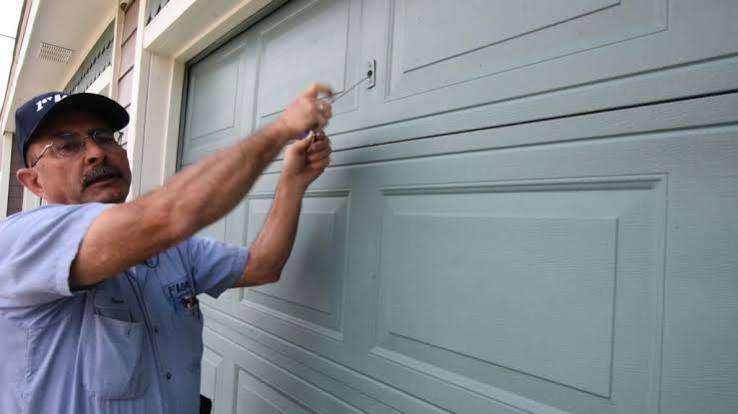
Many Liftmaster models feature an external key lock cylinder, usually located on the right side of the garage door.
How to Use the Key Lock:
- Insert your garage door key into the exterior lock cylinder
- Turn clockwise until you feel resistance
- Continue turning until the lock disengages (usually 90-180 degrees)
- Pull the door upward manually
This method is particularly useful when you don’t have access to the interior release cord or when the emergency release mechanism is damaged.
Method 3: Manual Crank Operation (Older Models)
Some older Liftmaster models include a manual crank system accessible from outside.
Operating the Manual Crank:
- Locate the crank handle, typically found on the exterior wall near the garage door
- Insert the crank into the designated slot
- Turn clockwise slowly and steadily
- Stop when the door reaches your desired height
Warning: Never use power tools to operate manual cranks, as this can damage the gear system and void your warranty.
Troubleshooting Common Issues
Even with proper technique, you might encounter obstacles when trying to open your garage door manually. Here’s how to address the most common problems:
| Problem | Solution | Prevention |
|---|---|---|
| Stuck release cord | Apply lubricant to the cord mechanism | Regular maintenance every 6 months |
| Heavy door resistance | Check spring tension and roller condition | Annual professional inspection |
| Jammed track | Clear debris and realign track sections | Keep tracks clean and lubricated |
| Broken cable | Do not attempt manual opening – call professional | Regular cable inspection |
When to Call a Professional
While manual opening is generally safe, certain situations require expert assistance:
- Broken springs: These store tremendous energy and can cause serious injury
- Snapped cables: Attempting manual operation can worsen the damage
- Bent tracks: Misalignment can cause the door to come off its tracks
- Damaged rollers: Worn rollers can cause the door to bind or fall
The Consumer Product Safety Commission reports that garage door-related injuries send over 20,000 people to emergency rooms annually, emphasizing the importance of knowing when to seek professional help.
Safety Precautions for Manual Operation
Safety should always be your top priority when operating a garage door manually. Follow these essential guidelines:
Essential Safety Measures:
- Wear protective gloves to prevent cuts from sharp edges
- Use proper lifting technique: Bend at the knees, not the waist
- Never stand under a partially open door without proper support
- Keep children and pets away from the operating area
- Ensure adequate lighting if operating at night
Weight Considerations by Door Type:
- Single-car aluminum doors: 130-180 pounds
- Single-car steel doors: 150-250 pounds
- Double-car steel doors: 250-400 pounds
- Wooden doors: 200-500+ pounds
If your door feels unusually heavy or light, stop immediately and inspect for potential issues.
Preventive Maintenance Tips
Regular maintenance can prevent many situations where you’d need to open your garage door manually from outside.
Monthly Maintenance Checklist:
- Test the emergency release: Pull the cord monthly to ensure smooth operation
- Inspect cables and springs: Look for fraying, rust, or wear
- Lubricate moving parts: Use silicone-based lubricant on rollers and hinges
- Check track alignment: Ensure tracks are straight and securely mounted
- Test balance: Disconnect opener and manually lift door halfway—it should stay in place
Annual Professional Service:
Consider scheduling annual maintenance with a certified technician. They can identify potential issues before they become emergencies and ensure your system meets current safety standards.
FAQ Section
Q: Can I open my Liftmaster garage door manually if the springs are broken?
A: No, you should never attempt to manually operate a garage door with broken springs. The springs counterbalance the door’s weight, and without them, the door becomes extremely dangerous to lift. Broken springs can cause the door to slam shut unexpectedly, potentially causing serious injury or property damage. Always call a professional garage door technician for spring replacement.
Q: How often should I test my emergency release mechanism?
A: Test your emergency release mechanism at least once per month. Regular testing ensures the mechanism remains functional and helps you practice the proper technique. During testing, listen for smooth operation and check that the door moves freely once disconnected from the opener.
Q: What should I do if the emergency release cord is missing or broken?
A: If your emergency release cord is missing or damaged, contact Liftmaster customer service or a authorized dealer for replacement parts. In the meantime, you may be able to access the release mechanism through the garage door opener’s housing, but this requires technical knowledge and should only be attempted by experienced individuals.
Q: Will manually opening my garage door void the warranty?
A: No, using the emergency release mechanism as designed will not void your warranty. The manual release is an intended feature of your Liftmaster opener. However, forcing the mechanism or attempting repairs beyond normal operation could potentially affect warranty coverage.
Q: Can weather conditions affect manual garage door operation?
A: Yes, extreme weather can impact manual operation. Cold temperatures can make metal components contract and become stiff, while humidity can cause wooden doors to swell. Ice buildup on tracks can also prevent smooth operation. In severe weather, exercise extra caution and consider waiting for conditions to improve before attempting manual operation.
Q: How can I make my garage door easier to lift manually?
A: Several factors can make manual lifting easier: regular lubrication of rollers and hinges, proper spring tension adjustment, clean and aligned tracks, and replacing worn rollers. If your door consistently feels heavy, have a professional check the spring balance, as improperly balanced springs are the most common cause of difficult manual operation.
Conclusion
Knowing how to open Liftmaster garage door manually from outside is more than just a convenience—it’s an essential life skill that can save you time, money, and frustration during unexpected situations. Whether you’re dealing with a power outage, remote control failure, or motor malfunction, these methods provide reliable solutions to get your garage door open safely.
Remember, prevention is always better than reaction. Regular maintenance, monthly testing of your emergency release, and annual professional inspections can minimize the likelihood of finding yourself locked out. Share this guide with family members and neighbors—everyone should know how to handle this common household emergency.
Did you find this guide helpful? Share it on social media to help others prepare for garage door emergencies. Bookmark this page for quick reference during those unexpected moments when you need it most.
Leave a Reply