Introduction
There are few things more frustrating than arriving home during a storm or power outage, only to realize you cannot access your vehicle or tools because the automatic opener is dead. If you are currently stranded in your driveway wondering how to open garage door without power from the outside, take a deep breath; this is a common issue with a straightforward mechanical solution. In this comprehensive guide, we will walk you through safe, manufacturer-approved methods to regain entry without damaging your property or risking personal injury.
Understanding Your Garage Door’s Emergency Release System
Before attempting any manual operation, it is vital to understand that modern garage doors are heavy counterbalanced systems designed primarily for electric operation. When power fails, the trolley mechanism connecting the door to the motor must be disengaged to allow free movement. However, most residential garage door openers place the emergency release cord inside the garage for security reasons.
This creates a catch-22 for homeowners locked outside. According to industry safety standards referenced in general engineering principles on Wikipedia.org, the primary safety release is intentionally located indoors to prevent unauthorized external access. Therefore, opening the door from the outside without power typically requires either an installed external key lock or specialized knowledge of your specific door model’s exterior release points.
Why You Cannot Simply Force the Door
Garage doors weigh between 100 and 400 pounds depending on material and insulation. Forcing a closed door upward against spring tension can cause:
- Spring failure: Torsion springs store immense kinetic energy and can snap violently.
- Track damage: Bent tracks render the door permanently inoperable.
- Personal injury: Crushed fingers or back injuries are common ER visits related to garage doors.
Method 1: Using an External Emergency Key Lock (Recommended)
If your garage was installed with an external key-operated lock cylinder, this is the safest and intended method for outside access during outages. This hardware mechanically disconnects the opener trolley from the outside.
Step-by-Step Instructions
- Locate the Key Cylinder: Look for a small, round keyhole positioned at the top center of the garage door, usually just below the top panel seam. It may be covered by a plastic weather cap.
- Insert the Correct Key: Use the specific tubular or barrel key provided during installation. Standard house keys will not work. Turn the key 90 degrees clockwise.
- Pull the Lock Barrel Outward: After turning, gently pull the entire cylinder assembly toward you about 1–2 inches. You should feel or hear a distinct click as the internal cable disengages the trolley from the motor carriage.
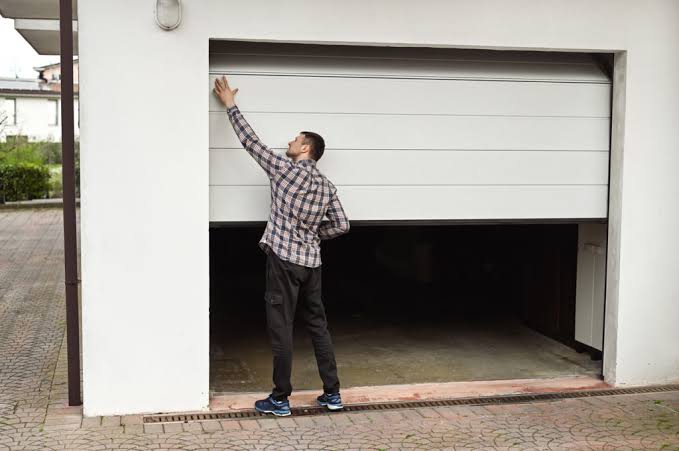
- Lift the Door Manually: Grip the bottom handle or edge of the door firmly. Lift smoothly using your legs, not your back. The door should rise with moderate resistance if springs are properly balanced.
- Secure the Door Open: Once fully open, engage the manual locking bar or prop the door securely before entering. Never leave a manually opened door unsecured overhead.
⚠️ Critical Safety Warning: If the door feels excessively heavy (more than 30 lbs of lift force) or slams down when released, STOP IMMEDIATELY. This indicates broken springs or cable failure. Do not attempt further operation; call a licensed technician.
Method 2: Accessing Through Adjacent Entry Points
If no external key lock exists, forcing the main door is dangerous and ill-advised. Instead, consider alternative access routes that preserve door integrity.
| Access Method | Difficulty | Risk Level | Best For |
|---|---|---|---|
| Side Service Door | Low | Minimal | Homes with attached garages |
| Window Entry | Medium | Moderate | Older homes with operable windows |
| Pet Door Access | High | Variable | Small individuals/emergency only |
| Main House Door | Low | Minimal | Attached garages with interior access |
Prioritize Interior Access First
Check whether your garage connects to your home via an interior door. Many homeowners forget this route during panic. If accessible, enter through the house and use the standard interior red emergency release cord hanging from the opener rail. This remains the gold standard for safe manual operation.
What NOT To Do During a Power Outage
Misinformation abounds online regarding garage door emergencies. Avoid these dangerous myths:
- ❌ Prying the Bottom Seal: Using crowbars or screwdrivers under the door damages weather stripping and can bend the bottom bracket, costing hundreds in repairs.
- ❌ Climbing Ladders to Reach Opener Rails: Attempting to reach the interior release cord through transom windows risks falls and electrical hazards if power restores unexpectedly.
- ❌ Disconnecting Springs Yourself: Spring adjustment requires specialized winding bars and training. Untrained handling causes severe injuries annually.
- ❌ Using Car Batteries as Improvised Power Sources: Jumper cables connected to opener terminals can fry circuit boards and create fire hazards.
Restoring Automatic Operation After Power Returns
Once electricity is restored, proper re-engagement prevents future failures.
- Close the door completely.
- Pull the external key lock barrel back inward until it clicks (or pull the interior release cord toward the motor unit).
- Press the wall button or remote once. The opener should automatically re-sync with the door position.
- Test the auto-reverse safety sensors by placing a 2×4 board in the door’s path. The door must reverse upon contact per federal safety mandates.
Frequently Asked Questions (FAQ)
Q1: Can I install an external emergency release kit myself?
Yes, but only if you have intermediate DIY skills and follow manufacturer instructions precisely. Kits like the Chamberlain/LiftMaster External Emergency Release include detailed templates. However, improper installation compromises security and safety. Professional installation typically costs $150–$250 and includes warranty protection. Always verify compatibility with your specific opener brand and rail type before purchasing.
Q2: How often should I test my manual release mechanism?
Test both interior and exterior releases every six months. Lubricate moving parts with white lithium grease annually. Regular testing ensures cables haven’t corroded or seized, which commonly happens after years of non-use. Mark your calendar for biannual checks during daylight saving time transitions as a memorable reminder.
Q3: My door opens manually but won’t close evenly. Is this normal?
No. Uneven movement indicates track misalignment, worn rollers, or spring imbalance. While you can operate the door temporarily during emergencies, schedule professional service within one week. Continuing uneven operation accelerates wear and increases failure risk. Document the issue with photos to help technicians diagnose faster.
Q4: Are battery backup systems worth the investment?
Absolutely. Modern battery backups (like Genie StealthDrive or LiftMaster 8500W models) provide 10–20 full cycles during outages. They cost $100–$200 installed and eliminate external access concerns entirely. For areas with frequent storms or unreliable grids, they’re considered essential safety equipment, not luxury upgrades.
Q5: What if my external key lock is frozen in winter?
Apply graphite lubricant or de-icer spray specifically designed for locks. Never use WD-40, which attracts moisture and worsens freezing. Preventatively treat locks each autumn. If already frozen, warm the key with a lighter for 10 seconds before insertion. Keep a spare key indoors to avoid being locked out twice.
Q6: Can smart garage openers help during power outages?
Only if paired with battery backup. Smart features (Wi-Fi, app control) require electricity. However, some premium models integrate UPS systems maintaining connectivity for status alerts even when main power fails. Check specifications carefully; “smart” alone doesn’t guarantee outage functionality.
Conclusion
Knowing how to open garage door without power from the outside transforms a stressful emergency into a manageable situation. Whether through an external key lock, adjacent entry points, or preventive battery backup installation, preparation is your greatest asset. Remember: safety always trumps speed. When in doubt, wait for professional assistance rather than risking injury or costly damage.
Your garage door protects your family and belongings daily—treat its maintenance with equal respect. Share this guide with neighbors, family members, or community groups so others aren’t left stranded during the next outage. Tag us on social media with your own garage door safety tips, and let’s build safer homes together! 💪🏡
Disclaimer: This article provides general educational information. Always consult your garage door manufacturer’s manual and hire licensed professionals for installations, repairs, or spring-related work. The author assumes no liability for injuries or damages resulting from following this guidance.
Leave a Reply