Introduction
There are few things more frustrating than being trapped inside or locked out of your garage during a sudden blackout. Whether you are rushing to work or trying to secure your vehicle during a storm, knowing how to open automatic garage door when power is out is an essential homeowner skill that ensures safety and convenience. In this comprehensive guide, we will walk you through the safe, step-by-step process of manually operating your door, ensuring you can handle this common emergency with confidence and without damaging your expensive equipment.
Understanding Your Garage Door Emergency Release System
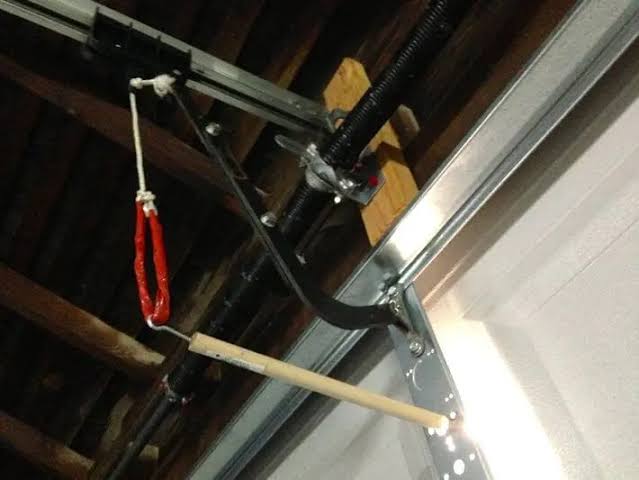
Before you attempt to lift the door, it is vital to understand the mechanism that makes manual operation possible. Modern automatic garage doors are equipped with an emergency release cord, typically a red rope with a handle hanging from the opener rail near the motor unit. This cord disengages the trolley (the part connected to the motor) from the carriage (the part attached to the door), allowing the door to move freely along its tracks.
According to industry standards documented on Wikipedia, most residential garage door openers manufactured after 1993 are required to have safety release mechanisms and photo-eye sensors. However, during a power outage, the electronic safety sensors become inactive. This means the door will not automatically reverse if it hits an obstacle while being lowered manually, placing the responsibility for safety entirely on the operator. Understanding this limitation is the first step in preventing injury or property damage.
Key Components to Identify Before Starting
- Emergency Release Cord: Usually red, located on the opener rail.
- Trolley and Carriage: The mechanical linkage that connects the motor to the door arm.
- Manual Lock: Some older doors have a physical slide lock on the side track; never operate the door if this is engaged.
- Counterbalance Springs: These bear the weight of the door. If the door feels excessively heavy, a spring may be broken.
Step-by-Step: How to Manually Open Your Garage Door
When learning how to open automatic garage door when power is out, precision matters more than speed. Follow these concrete steps to ensure smooth operation.
Step 1: Ensure Safety and Clear the Area
Before touching any mechanism, verify that no people, pets, or objects are in the path of the door. Since the auto-reverse sensors are offline, the door will not stop if it encounters resistance. Put on work gloves to protect your hands from pinch points and sharp metal edges.
Step 2: Locate and Pull the Emergency Release Cord
Find the red emergency release cord hanging from the opener rail. Firmly grasp the handle and pull it straight down toward the floor. You should hear or feel a distinct “click” as the trolley disengages from the carriage.
⚠️ Critical Warning: Never pull the release cord while the door is in motion or partially open unless absolutely necessary. Doing so can cause the door to slam shut violently due to unbalanced spring tension. Always disengage only when the door is fully closed.
Step 3: Lift the Door Using Proper Technique
With the mechanism disengaged, grip the bottom edge of the door or the designated lift handles. Lift using your legs, not your back. A properly balanced garage door should weigh no more than 8 to 10 pounds of perceived force when lifting manually. If the door requires significantly more effort, stop immediately—this indicates a broken torsion or extension spring, which is a hazardous repair best left to professionals.
Step 4: Secure the Door in the Open Position
Automatic doors do not stay open on their own when disconnected from the motor. Once fully raised, engage a manual locking plier (C-clamp) on the track just below a roller, or use the built-in manual lock if available. This prevents the door from accidentally falling while you are entering or exiting.
How to Re-engage the Automatic Opener After Power Returns
Knowing how to disconnect is only half the battle. Many homeowners struggle to reconnect the system once electricity is restored. Here is the precise re-engagement process:
- Close the Door Completely: The door must be fully seated on the floor before reconnection.
- Pull the Release Cord Toward the Motor: Grasp the emergency release cord and pull it at a slight angle toward the motor unit until you hear/feel the trolley click back into the carriage.
- Test the Connection: Press the wall button or remote. The motor should activate and move the door smoothly. If the motor runs but the door doesn’t move, the trolley has not fully re-engaged; repeat step 2.
- Verify Safety Sensors: After power returns, test the photo-eye sensors by waving an object under them while closing. The door should reverse immediately.
Pros and Cons: Manual Operation vs. Battery Backup
Many homeowners consider installing a battery backup system to avoid manual operation altogether. Below is a comparison to help you decide what’s right for your situation.
| Feature | Manual Emergency Release | Battery Backup System |
|---|---|---|
| Cost | Free (built-in) | $150–$400 + installation |
| Reliability During Outage | 100% (no electronics needed) | Limited cycles (typically 10–20 opens) |
| Safety Features Active | ❌ No auto-reverse or sensors | ✅ Full safety features operational |
| Physical Effort Required | Moderate (lifting ~8–10 lbs) | None (motor operates normally) |
| Maintenance Needed | Annual lubrication & balance check | Battery replacement every 2–3 years |
| Best For | Emergencies & short outages | Frequent outages & elderly/disabled users |
Expert Insight: According to the International Door Association (IDA), approximately 70% of garage door injuries occur during manual operation due to improper technique or neglected maintenance. While battery backups offer convenience, they should never replace regular maintenance of springs, cables, and rollers. A well-maintained door is safe to operate manually; a neglected one is dangerous regardless of power source.
Common Mistakes to Avoid During Power Outages
Even experienced homeowners make errors when stressed. Avoid these pitfalls:
- Forcing a Stuck Door: If the door binds or sticks, do not yank it. Inspect tracks for debris or bent sections first.
- Leaving the Door Unsecured: An unclamped manual door can fall unexpectedly. Always secure it.
- Ignoring Spring Condition: If the door is heavy, the counterbalance system has failed. Do not attempt to lift it. Call a certified technician.
- Re-engaging While Door Is Open: This can strip gears or damage the carriage. Always close first.
- Skipping Post-Outage Testing: Always verify sensor function and travel limits after restoring power.
Frequently Asked Questions (FAQ)
Can I open my automatic garage door from outside during a power outage?
Yes, but only if your garage has an external emergency key lock. This small cylinder lock, usually located near the top center of the door exterior, allows you to manually release the latch from outside. Without this feature, you cannot access the interior release mechanism from outdoors. Consider installing one if you lack alternative entry points.
Why does my garage door feel extremely heavy when I try to lift it manually?
Excessive weight almost always indicates a broken or worn-out spring system. Torsion springs typically last 10,000 cycles (about 7–10 years). Extension springs have shorter lifespans. Operating a door with compromised springs risks severe injury from sudden cable snap or spring recoil. Stop lifting and contact a licensed garage door technician immediately.
Will manually opening the door damage my automatic opener?
No, if done correctly. The emergency release is specifically designed for this purpose. Damage only occurs if you force the trolley, re-engage while the door is moving, or operate with a broken spring. Regular annual maintenance—including lubricating hinges, rollers, and checking spring tension—ensures both manual and automatic operation remain smooth and safe.
How often should I test the emergency release mechanism?
The Consumer Product Safety Commission (CPSC) recommends testing your garage door’s manual release and safety reversal systems at least twice per year. Disconnect the opener via the release cord, operate the door manually to confirm balance and smooth travel, then re-engage and test auto-reverse with a roll of paper towels under the door. Document results for maintenance records.
Can I install a battery backup on my existing garage door opener?
It depends on your opener’s age and model. Most units manufactured after 2010 support retrofit battery kits from the same manufacturer. Older chain-drive models may lack compatible mounting points or electrical interfaces. Check your owner’s manual or consult a professional installer. Note that California law (SB 969) mandates battery backups for all new installations since July 2019 due to wildfire-related power shutoffs.
What should I do if the emergency release cord is missing or broken?
Do not attempt to improvise with tools or wire. A missing release cord indicates prior tampering or wear. Contact a certified garage door service provider to replace the entire trolley assembly or release mechanism. Operating without a functional emergency release violates safety standards and creates significant risk during future outages or malfunctions.
Conclusion
Mastering how to open automatic garage door when power is out transforms a stressful emergency into a manageable routine. By understanding your emergency release system, following safe manual operation procedures, and maintaining your door’s mechanical components, you protect both your property and your family. Remember: proper preparation today prevents panic tomorrow.
Found this guide helpful? Share it on Facebook, X (Twitter), or Nextdoor to help neighbors prepare for the next storm. Tag a friend who still struggles with their garage door during blackouts—they’ll thank you! Stay safe, stay prepared, and keep those doors rolling smoothly. 💪🏡
Leave a Reply