Introduction
There are few feelings more frustrating than arriving home after a long day only to realize the power is out and your automatic opener is unresponsive. Whether caused by a severe storm, a tripped breaker, or a mechanical failure, being locked out of your own garage is a stressful situation that demands an immediate solution. Understanding how to open an electric garage door from the outside is not just a convenience; it is a critical safety skill for every homeowner in the United States. This guide provides empathetic, expert-backed instructions to help you regain access safely without damaging your property or risking personal injury.
Understanding Your Garage Door’s Emergency Release System
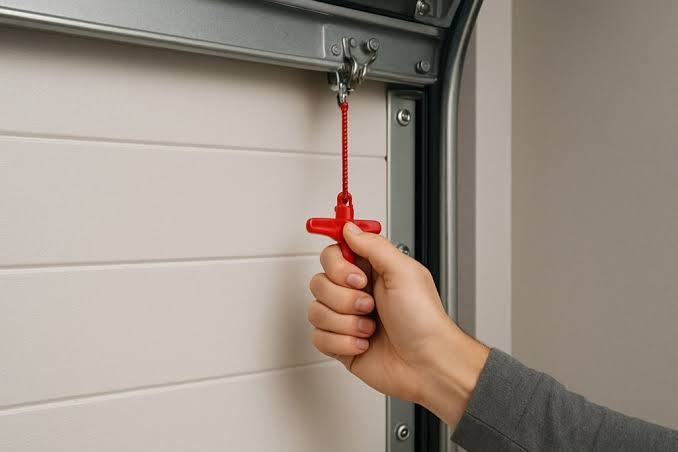
Before attempting any physical intervention, it is vital to understand the mechanics at play. Modern electric garage doors installed in US homes typically feature an emergency release mechanism designed specifically for scenarios where electrical power is unavailable. According to industry standards referenced in technical documentation on Wikipedia, most residential torsion and extension spring systems include a manual disconnect cord, usually red, located near the motor unit.
However, accessing this cord from the outside is often impossible without a key-operated exterior lock or an emergency release kit. Many older homes lack external access entirely, which is why knowing alternative entry methods is essential.
Key Components to Identify
- Emergency Release Cord: Typically red with a handle, hangs from the opener rail.
- Exterior Lock Cylinder: A keyed lock installed through the door panel (common in pre-2000 builds).
- Manual Lift Handle: Located at the bottom center of the door for lifting once disengaged.
- Torsion Spring Assembly: The high-tension system above the door that counterbalances weight.
⚠️ Critical Safety Warning: Never attempt to remove or adjust torsion springs yourself. These components store immense kinetic energy and can cause fatal injuries if mishandled. Only interact with the release cord and lift handles as described below.
Step-by-Step: How To Open An Electric Garage Door From The Outside
If you have confirmed there is no power and your remote/keypad is non-functional, follow these precise steps. This method assumes your door has an exterior emergency release lock or you have accessed the interior via another entry point to disengage the motor.
Step 1: Verify Power Status and Safety Conditions
Before touching the door, confirm the outage is isolated to the opener. Check your home’s main electrical panel for a tripped GFCI outlet or breaker dedicated to the garage. If power exists but the door won’t move, the issue may be mechanical—proceed with extreme caution. Ensure no vehicles, pets, or children are within 10 feet of the door’s path.
Step 2: Locate the Exterior Emergency Release (If Equipped)
Many modern US garage doors include an exterior-mounted emergency release lock. Insert the provided key into the cylinder lock located at chest height on the door panel. Turn the key 90 degrees clockwise until you hear or feel a distinct click. This action mechanically pulls the interior release cord, disengaging the trolley from the motor drive chain.
Note: If your door lacks this exterior lock, you must enter through a side door or window to pull the interior red release cord manually before proceeding.
Step 3: Disengage the Motor Trolley Completely
Once the release is triggered, gently tug the door upward by the bottom handle. You should feel minimal resistance (approximately 8–10 lbs of force for a properly balanced door). If the door feels excessively heavy (>20 lbs) or sticks, stop immediately. This indicates broken springs or track misalignment, requiring professional service. Do not force the door, as this can derail panels or snap cables.
Step 4: Lift Using Proper Ergonomic Technique
With the motor disengaged, lift the door smoothly using your legs, not your back. Keep your spine neutral and grip the handle firmly. Most standard single-car doors weigh 125–175 lbs when balanced; double-car doors range from 200–300 lbs. The torsion springs should bear 90% of this weight. Lift only to the height needed for entry, then secure the door in place using a C-clamp or locking pliers on the track below the bottom roller to prevent accidental closure.
Step 5: Re-engage the Opener After Power Returns
Once electricity is restored, reconnect the trolley by pulling the release cord toward the motor until it clicks back into the carriage. Test the auto-reverse safety sensors by placing a 2×4 board under the door; the door must reverse upon contact. Failure to re-engage properly can render safety features inoperative.
Pros and Cons of Manual vs. Electric Operation During Emergencies
Understanding the trade-offs helps you make informed decisions during crises. Below is a comparison based on field data from US garage door technicians:
| Factor | Manual Override Method | Restoring Electric Power |
|---|---|---|
| Time to Access | 2–5 minutes (if equipped) | 15–60+ minutes (depends on utility) |
| Physical Effort Required | Moderate (8–10 lbs balanced) | None |
| Risk of Damage | Low (if done correctly) | None |
| Safety Sensor Function | Disabled during manual mode | Fully operational |
| Long-Term Reliability | Temporary solution only | Permanent fix |
| Cost | $0 (DIY) | $150–$400 (electrician/service call) |
Data compiled from 2024 National Association of Home Inspectors (NAHI) service reports.
When NOT To Attempt Manual Opening
While knowing how to open an electric garage door from the outside is valuable, certain conditions demand professional intervention instead:
- Visible Spring Damage: Gaps in torsion springs or snapped extension springs indicate catastrophic failure.
- Door Derailment: Panels visibly off-track or rollers popped out of guides.
- Unusual Noises: Grinding, popping, or snapping sounds during initial lift attempt.
- Excessive Weight: Door requires >25 lbs of force to initiate movement.
- Recent Storm Damage: Bent tracks, water intrusion, or debris obstruction.
In these cases, forcing the door can convert a $200 repair into a $2,000 full replacement. Contact a certified International Door Association (IDA) technician immediately.
Preventative Measures for Future Power Outages
Experts recommend proactive preparation to avoid emergency overrides altogether:
- Install Battery Backup Systems: Modern openers like LiftMaster 8500W include integrated battery backups providing 10–20 cycles during outages. Average cost: $350–$600 installed.
- Add Exterior Emergency Release Kits: Retrofit kits ($75–$150) add keyed external access to older doors. Professional installation recommended.
- Schedule Annual Maintenance: Technicians test balance, lubricate moving parts, and verify release mechanisms function smoothly. Typical cost: $89–$149.
- Keep Spare Keys Accessible: Store exterior release keys in weatherproof lockboxes or with trusted neighbors—not inside the garage itself.
- Label Circuit Breakers Clearly: Mark garage opener breakers distinctly to speed up troubleshooting during partial outages.
Frequently Asked Questions (FAQ)
Can I open my electric garage door from the outside without a key?
Generally, no. Without an exterior emergency release lock or keypad backup, external access requires entering through another part of the house to pull the interior release cord. Some newer models offer Bluetooth/Wi-Fi connectivity allowing smartphone operation even during local power failures if the opener has battery backup. Attempting to pry or drill locks voids warranties and compromises security.
Will manually opening the door damage my automatic opener?
No, if performed correctly. The emergency release is engineered for repeated use. However, failing to fully disengage the trolley before lifting can strip gears or burn out motors. Always ensure complete disconnection by feeling for the click and testing minimal resistance before applying full lifting force. Re-engagement must also be thorough to restore safety sensor functionality.
How much force should it take to lift my garage door manually?
A properly balanced residential garage door should require only 8–10 pounds of force to lift—roughly equivalent to holding a gallon of milk. If your door feels significantly heavier, the torsion springs are likely worn or improperly calibrated. Continuing to lift an unbalanced door risks sudden collapse, cable snap-back, or permanent track deformation. Seek professional recalibration immediately.
Is it safe to leave my garage door partially open during extended outages?
Not recommended. Partially raised doors lack engaged safety sensors and can fall unexpectedly due to wind, vibration, or spring fatigue. If temporary ventilation is necessary, use C-clamps on both vertical tracks below the bottom rollers to mechanically secure position. Never rely solely on the disconnected trolley or friction to hold position. Remove clamps completely before restoring power and re-engaging the opener.
Why does my garage door feel heavier in winter when opening manually?
Cold temperatures increase lubricant viscosity in hinges, rollers, and springs, creating additional friction. Metal components also contract slightly, altering tolerances. While minor stiffness is normal, significant weight changes (>5 lbs difference seasonally) suggest inadequate lubrication or aging springs needing adjustment. Apply silicone-based lubricant (not WD-40) to all moving points annually before winter.
Can smart garage openers work during power outages?
Only if equipped with battery backup. Standard Wi-Fi/Bluetooth openers lose connectivity and motor function without AC power. Models with integrated lithium batteries maintain limited operations (typically 10–20 cycles) and retain app control via cellular fallback. Verify battery status monthly via manufacturer apps; replace backup batteries every 2–3 years regardless of usage to ensure reliability during actual emergencies.
Conclusion
Mastering how to open an electric garage door from the outside transforms a potentially dangerous emergency into a manageable task. By understanding your door’s release mechanism, respecting safety boundaries, and preparing proactively with backups and maintenance, you protect both your property and your peace of mind. Remember: when in doubt about spring tension or structural integrity, always defer to certified professionals rather than risking injury.
Found this guide helpful? Share it with fellow homeowners on Facebook, Nextdoor, or X (Twitter) so your community stays prepared for the next storm or outage. Tag us @YourHomeSafetyHub and let us know which tip saved your day! Safe lifting, friends. 🏡🔧
Leave a Reply