Introduction
Losing your garage door remote or needing an extra one for a family member can feel like a major inconvenience. You might worry about security risks or the high cost of buying a brand-new system from the manufacturer. If you are wondering how to make a copy of a garage door opener, you are not alone; thousands of homeowners face this issue every year.
The good news is that copying or programming a new remote is often simpler and cheaper than you think. Whether you have an older fixed-code system or a modern rolling-code smart opener, there is a solution. This guide will walk you through the safe, legal, and effective methods to duplicate your access without compromising your home’s security.
Understanding Your Garage Door Opener Type
Before attempting to copy a remote, you must identify the technology your current system uses. Not all garage door openers work the same way, and using the wrong method can leave your home vulnerable or simply fail to work.
Fixed-Code vs. Rolling-Code Systems
Most garage door openers fall into two categories:
- Fixed-Code (Older Systems): These use a static dip-switch pattern. They are easier to clone but significantly less secure. If someone intercepts the signal, they can reuse it.
- Rolling-Code (Modern Systems): These change the code every time you press the button. This prevents “code grabbing” attacks. You cannot simply “clone” these in the traditional sense; instead, you must program a new remote to sync with the main unit.
Expert Insight: According to cybersecurity experts, rolling-code technology has reduced garage-related break-ins by over 60% since its widespread adoption in the late 1990s. Always prioritize systems that support rolling codes for enhanced safety.
To learn more about the history and evolution of remote control security standards, you can refer to this overview on Wikipedia.
Method 1: Cloning a Universal Remote (For Fixed-Code)
If you have an older opener with dip switches inside the motor unit and the remote, you can use a universal cloning remote. This is the most direct answer to how to make a copy of a garage door opener for legacy systems.
Step-by-Step Cloning Process
- Purchase a Compatible Universal Remote: Ensure the package states it supports “cloning” or “learning” fixed codes. Brands like Chamberlain, LiftMaster, and generic universals often work.
- Clear the New Remote: Hold down the two primary buttons on the new remote until the LED light blinks rapidly. This resets any previous data.
- Position the Remotes: Place your original working remote and the new blank remote back-to-back, about 1–2 inches apart.
- Initiate Cloning Mode: Press and hold the button on the new remote that you want to program. Keep holding it.
- Transmit the Signal: While still holding the new remote’s button, press and hold the corresponding button on the original remote.
- Wait for Confirmation: The LED on the new remote should change from a slow blink to a rapid flash, indicating it has successfully copied the signal.
- Test the Copy: Walk to your garage and test the new remote. If the door opens, the clone was successful.
Note: This method does not work for rolling-code systems. Attempting this on a modern opener will result in failure.
Method 2: Programming a New Remote (For Rolling-Code)
For most US homes built after 2000, you likely have a rolling-code system. You aren’t technically “copying” the signal; you are adding a new authorized device to your opener’s memory.
Steps to Program a New Remote
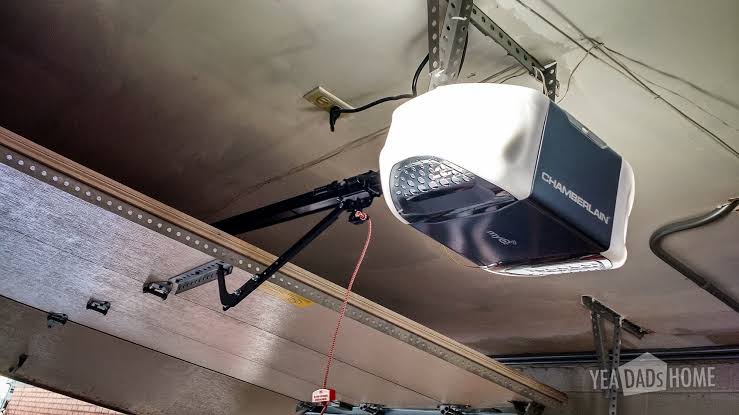
- Locate the “Learn” Button: Find your garage door motor unit (the box hanging from your ceiling). Look for a small button labeled “Learn,” “Smart,” or “Program.” It is usually colored yellow, purple, red, or green.
- Clear Old Codes (Optional but Recommended): If you lost your remote due to theft, hold the “Learn” button for 10 seconds until the indicator light goes out. This erases all previously paired remotes, ensuring the stolen one no longer works. Warning: You will need to reprogram all existing remotes.
- Press the Learn Button: Press and release the “Learn” button once. The indicator light will turn on or blink, signaling it is ready to accept a new code. You typically have 30 seconds to complete the next step.
- Sync the New Remote: Within 30 seconds, press and hold the button on your new remote that you wish to use. Hold it until the motor unit’s lights blink or you hear a click.
- Test Immediately: Press the remote button again to ensure the door operates.
Troubleshooting Programming Issues
| Issue | Possible Cause | Solution |
|---|---|---|
| Remote won’t pair | Battery dead | Replace the battery in the new remote. |
| Light doesn’t blink | Opener locked | Check if the wall console has a “Lock” feature enabled. |
| Intermittent operation | Interference | Move away from LED bulbs or Wi-Fi routers during pairing. |
Method 3: Using a Smartphone App (Smart Openers)
If you want to avoid physical remotes entirely, consider upgrading to a smart garage hub. Devices like MyQ, Tailwind, or RatGato allow you to control your door via Wi-Fi.
Benefits of Smart Control
- No Physical Copy Needed: You can grant access to family members via email invites.
- Activity Logs: See exactly when the door was opened and closed.
- Remote Access: Open your garage for deliveries even when you are at work.
While this isn’t a direct “copy” of your old remote, it is the modern equivalent of duplicating access rights without the hardware hassle.
Common Mistakes to Avoid When Copying Remotes
Even with clear instructions, users often make errors that prevent successful pairing. Here are the most frequent pitfalls:
- Ignoring Frequency Differences: Garage remotes operate on specific frequencies (usually 315 MHz or 390 MHz in the US). Ensure your universal remote matches your opener’s frequency.
- Skipping the Reset Step: Failing to clear the new remote before cloning can cause signal conflicts.
- Standing Too Far Away: During programming, stand within 5 feet of the motor unit. Signal strength matters during the initial handshake.
- Buying Cheap Non-Compliant Remotes: Some inexpensive remotes from unknown brands may not meet FCC standards, leading to poor range or interference with neighbors’ doors.
Security Considerations: Is Cloning Safe?
When learning how to make a copy of a garage door opener, security should be your top priority.
Risks of Fixed-Code Cloning
Cloning a fixed-code remote creates an exact duplicate. If you lose this new remote, anyone who finds it can open your garage. There is no way to “deauthorize” a cloned fixed-code remote without changing the dip-switches on every remote and the motor unit.
Best Practices for Security
- Prefer Programming Over Cloning: Whenever possible, use the “Learn” button method (rolling code) rather than cloning. This allows you to delete individual remotes if they are lost.
- Change Codes Periodically: If you suspect a remote has been compromised, clear the memory and reprogram all devices.
- Use Keypads as Backup: External wireless keypads add a layer of security since they require a PIN code, which can be changed easily without replacing hardware.
FAQ Section
1. Can I copy a garage door remote at Home Depot or Lowe’s?
Some hardware stores offer key-cutting services that include basic remote cloning for fixed-code systems. However, they cannot program rolling-code remotes for you. You must do the programming yourself at home using the motor unit’s “Learn” button.
2. How much does it cost to copy a garage door remote?
A universal cloning remote costs between $15 and $30. A brand-specific replacement remote ranges from $30 to $50. If you hire a professional technician, expect to pay $80–$150 for service and parts. DIY is significantly cheaper.
3. Can I copy a remote if I don’t have the original?
If you do not have the original remote, you cannot “clone” it. However, you can still program a new remote if you have access to the garage door motor unit. Use the “Learn” button method described in Method 2. If you cannot access the motor unit, you will need a professional locksmith or garage door technician.
4. Why won’t my new remote work after programming?
Check the battery first. If the battery is fresh, ensure you are within range and that no other devices are causing interference. Also, verify that your remote’s frequency matches your opener. If problems persist, try clearing the opener’s memory and reprogramming from scratch.
5. Is it legal to clone a garage door remote?
Yes, it is legal to clone a remote for your own property. However, cloning a remote for a property you do not own or have permission to access is illegal and considered burglary tools possession in many jurisdictions. Always ensure you have ownership or explicit permission.
Conclusion
Learning how to make a copy of a garage door opener empowers you to manage your home access efficiently and affordably. Whether you choose to clone a universal remote for an older system or program a new device for a modern rolling-code opener, the process is straightforward when you follow the right steps.
Remember, security is paramount. Whenever possible, opt for rolling-code programming over simple cloning to protect your home from unauthorized access. If you found this guide helpful, please share it with friends or family who might be struggling with their garage door remotes. Stay secure, and enjoy the convenience of seamless home access!
Leave a Reply