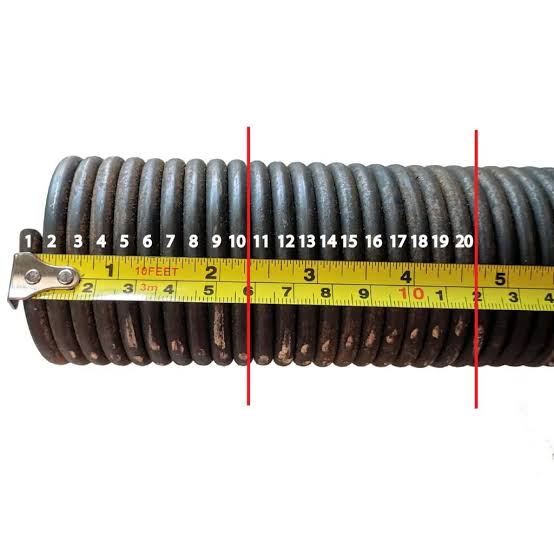
Have you ever stood in your garage, staring at a broken spring, wondering how on earth you’re supposed to figure out the right replacement? You’re not alone. Thousands of homeowners face this exact dilemma every year, often leading to frustrating delays or even dangerous DIY attempts. Knowing how to know what size spring for garage door is crucial for safety, performance, and avoiding unnecessary expenses. This comprehensive guide will walk you through everything you need to measure, identify, and select the correct spring with confidence.
Why Getting the Right Spring Size Matters
Before diving into measurements, it’s essential to understand why precision matters. Garage door springs are under extreme tension—often holding hundreds of pounds of weight. Using the wrong size can lead to:
- Premature failure: Undersized springs wear out faster.
- Door imbalance: Incorrect tension causes uneven movement.
- Safety hazards: Over-tensioned springs can snap violently.
- Opener strain: Your garage door opener works harder, reducing its lifespan.
According to the International Door Association (IDA), improper spring installation accounts for nearly 30% of garage door service calls. Getting it right the first time saves money and prevents accidents.
Types of Garage Door Springs: Which One Do You Have?
There are two main types of garage door springs, and identifying yours is the first step:
Torsion Springs
These are mounted horizontally above the garage door opening on a metal shaft. They twist (torsion) to lift the door. Torsion springs are more common in modern homes and are generally safer and longer-lasting.
Extension Springs
These run parallel to the horizontal tracks on both sides of the door. They stretch (extend) to provide lifting force. Extension springs are typically found in older installations and require safety cables to prevent injury if they break.
Pro Tip: If you’re unsure, look above your door. A thick metal rod with coiled springs wrapped around it means you have torsion springs. Cables running alongside the tracks indicate extension springs.
Step-by-Step: How to Measure Torsion Springs
Measuring torsion springs requires precision. Follow these steps carefully:
Step 1: Ensure Safety First
Disconnect the garage door opener and close the door completely. Never attempt to measure or replace a spring while the door is open or under tension. If you’re uncomfortable, hire a professional.
Step 2: Measure the Wire Diameter
Use a caliper or a ruler with fine markings. Measure the thickness of the spring wire itself (not the entire coil). Common sizes include:
- 0.207 inches
- 0.218 inches
- 0.225 inches
- 0.234 inches
- 0.250 inches
Note: Even a slight difference in wire diameter significantly affects spring strength.
Step 3: Measure the Inside Diameter (ID)
Measure the inside width of the spring coil. Standard sizes are:
- 1.75 inches
- 2.0 inches
- 2.25 inches
- 2.625 inches
Place your measuring tool inside the coil, ensuring it touches both inner edges.
Step 4: Measure the Length
With the door closed and springs relaxed, measure the length of one spring from end to end (excluding the cones). Common lengths range from 18 to 36 inches.
Step 5: Determine the Wind Direction
Stand inside the garage facing the door. Look at the spring on the left side:
- If the coils wind counterclockwise, it’s a left-wound spring.
- If the coils wind clockwise, it’s a right-wound spring.
Most systems use one of each. Mark them clearly to avoid confusion during replacement.
How to Measure Extension Springs
Extension springs are simpler but still require accuracy:
Step 1: Measure the Length
Measure the spring’s length excluding the hooks at each end. Common lengths include 18, 20, 22, 24, 26, 28, 30, and 32 inches.
Step 2: Check the Color Code
Many extension springs have a painted color code indicating their strength. For example:
- White = 10 lbs
- Green = 20 lbs
- Yellow = 30 lbs
- Red = 40 lbs
However, don’t rely solely on color, as paint can fade. Always verify with measurements.
Step 3: Note the Outside Diameter
Measure the width of the coiled spring. Standard diameters range from 0.75 to 1.5 inches.
Quick Reference Table: Common Spring Sizes
| Spring Type | Wire Diameter | Inside Diameter | Common Lengths |
|---|---|---|---|
| Torsion | 0.207–0.250″ | 1.75–2.625″ | 18–36 inches |
| Extension | N/A | 0.75–1.5″ OD | 18–32 inches |
OD = Outside Diameter
Factors That Influence Spring Selection
Beyond measurements, consider these critical factors:
Door Weight
Heavier doors (solid wood or insulated steel) require stronger springs. A standard single-car door weighs 130–180 lbs, while double-car doors can exceed 350 lbs.
Door Height
Taller doors need more lifting force. A 7-foot door requires different specifications than an 8-foot door.
Cycle Life Expectancy
Springs are rated by cycles (one open + one close = one cycle):
- Standard: 10,000 cycles (~7–10 years)
- High-cycle: 25,000+ cycles (~15–20 years)
Investing in high-cycle springs may cost more upfront but saves money long-term. For more technical details on spring mechanics, you can refer to Wikipedia’s article on torsion springs.
Common Mistakes to Avoid
Even experienced DIYers make these errors:
- Guessing instead of measuring: Always use precise tools.
- Ignoring both springs: Replace springs in pairs, even if only one is broken.
- Overlooking cable condition: Worn cables can damage new springs.
- Skipping safety precautions: Always use winding bars for torsion springs.
FAQ Section
Q1: Can I replace just one garage door spring?
A: No. Always replace both springs simultaneously. If one breaks, the other is near failure too. Using mismatched springs causes imbalance and premature wear.
Q2: How long do garage door springs last?
A: Standard springs last 7–10 years (10,000 cycles). High-cycle springs can last 15–20 years. Climate, usage frequency, and maintenance affect lifespan.
Q3: What happens if I install the wrong size spring?
A: The door may not open fully, close too quickly, or put excessive strain on the opener. In worst cases, the spring can snap, causing injury or property damage.
Q4: Do I need special tools to measure garage door springs?
A: A basic caliper or ruler works for most measurements. However, replacing torsion springs requires specialized winding bars. Never use screwdrivers or makeshift tools.
Q5: Is it safe to replace garage door springs myself?
A: Extension springs are moderately DIY-friendly with proper safety cables. Torsion springs are highly dangerous due to extreme tension. Unless you have experience, hire a licensed technician.
Q6: How much does it cost to replace garage door springs?
A: Professional replacement costs $150–$350 for both springs, including labor. DIY parts cost $30–$80 per spring, but factor in tool rental and risk.
Conclusion
Knowing how to know what size spring for garage door empowers you to make informed decisions, whether you’re hiring a professional or attempting a DIY repair. By accurately measuring wire diameter, inside diameter, length, and wind direction, you ensure safe, smooth operation for years to come. Remember, precision matters—never guess when dealing with high-tension components.
If you found this guide helpful, share it with friends or neighbors who might be facing the same challenge. Proper knowledge prevents accidents and saves money. Stay safe, measure twice, and enjoy a smoothly operating garage door!
Leave a Reply