Introduction
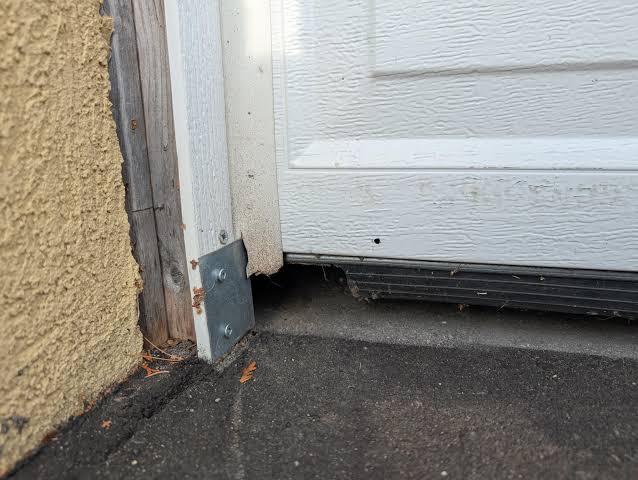
There is nothing quite as frustrating as opening your garage door to find shredded rubber and tiny droppings scattered across the floor. It’s not just a mess; it’s a sign that pests have found a warm, safe entry point into your home. If you are wondering how to keep mice from chewing garage door seal, you are not alone—this is one of the most common household pest issues in the United States.
Mice are persistent, resourceful, and incredibly destructive when it comes to finding shelter. However, with the right combination of physical barriers, natural deterrents, and maintenance habits, you can secure your garage without resorting to harsh chemicals. This guide will walk you through practical, expert-backed solutions to stop these rodents in their tracks.
Why Do Mice Target Garage Door Seals?
Before we dive into the solutions, it is crucial to understand the “why.” Mice do not chew on rubber seals because they are hungry for plastic or vinyl. They chew because their incisors never stop growing. Gnawing keeps their teeth sharp and at a manageable length.
The garage door seal, often made of soft vinyl or rubber, offers little resistance. Furthermore, garages provide the perfect trifecta for rodents:
- Warmth: Especially during colder months.
- Shelter: Cluttered garages offer endless hiding spots.
- Access: Once through the seal, they can often enter the main house via interior doors or utility lines.
According to the National Pest Management Association, mice can squeeze through openings as small as a dime (approx. 6-7mm). A compromised garage door seal is essentially an open invitation.
1. Install Steel Wool or Copper Mesh Barriers
One of the most effective physical deterrents is using materials that mice simply cannot chew through. While they can shred rubber, wood, and even some soft plastics, they cannot gnaw through metal fibers.
How to Apply:
- Step 1: Remove the existing damaged section of the weather stripping if necessary.
- Step 2: Purchase coarse steel wool or copper mesh (copper is preferred as it does not rust).
- Step 3: Stuff the steel wool tightly into any gaps between the door frame and the wall, or layer it behind the new weather stripping.
- Step 4: Reinstall the weather stripping over the steel wool. The mice will attempt to chew the rubber, hit the metal, and give up.
Pro Tip: Use #0000 grade steel wool for tight spaces. Ensure it is packed densely so mice cannot pull it out.
2. Switch to Heavy-Duty Vinyl or Aluminum Seals
Not all garage door seals are created equal. Standard rubber seals may be too soft for areas with high rodent activity. Upgrading to a more robust material can make a significant difference.
| Material Type | Durability | Chew Resistance | Cost | Best For |
|---|---|---|---|---|
| Standard Rubber | Low | Low | $ | Mild climates, low pest risk |
| Heavy-Duty Vinyl | Medium | Medium | $$ | General use, moderate pest risk |
| Aluminum Bottom Seal | High | High | $ | High pest areas, extreme weather |
| Brush Seal | Medium | High | $$ | Uneven floors, debris protection |
Recommendation: For severe infestations, consider an aluminum bottom seal. These are rigid and impossible for mice to chew. If aluminum is too expensive or difficult to install, look for vinyl seals reinforced with a metal core.
3. Use Natural Repellents Around the Perimeter
If you prefer a non-lethal approach, natural repellents can discourage mice from approaching the garage door area. Mice have a highly sensitive sense of smell, and certain scents are overwhelming to them.
Effective Natural Deterrents:
- Peppermint Oil: Soak cotton balls in 100% pure peppermint oil and place them near the garage door tracks and corners. Replace them every two weeks as the scent fades.
- Ammonia: The smell mimics predator urine. Place small caps of ammonia in safe, out-of-reach areas near the seal. Caution: Keep away from pets and children.
- Predator Urine: Commercially available fox or coyote urine granules can be sprinkled around the exterior perimeter of the garage.
Note: Repellents are a deterrent, not a cure. They work best when combined with physical sealing methods.
4. Seal Secondary Entry Points
Focusing solely on the garage door seal is often not enough. Mice are explorers. If the main door is sealed, they will look for cracks in the foundation, gaps around windows, or holes where utility lines enter the garage.
Inspection Checklist:
- Check where the garage door tracks meet the wall.
- Inspect the corner joints of the garage frame.
- Look for gaps around electrical outlets and plumbing pipes.
- Examine the threshold where the garage door meets the concrete floor.
Use expanding foam sealant for large gaps, but always cover the foam with steel wool or caulk, as mice can chew through dried foam easily.
5. Maintain a Clean and Clutter-Free Garage
Clutter provides nesting material and hiding spots. A clean garage is less attractive to mice because it offers fewer resources for survival.
Action Steps:
- Store firewood at least 20 feet away from the garage structure.
- Keep pet food in airtight, hard-plastic or glass containers. Never leave bags of dog or cat food open.
- Regularly sweep up seeds, nuts, or bird feed that may have spilled.
- Elevate storage boxes off the floor using metal shelving units.
By removing the “reward” of shelter and food, you reduce the incentive for mice to breach your defenses.
6. Install Ultrasonic Repellers
For a tech-savvy approach, ultrasonic repellers emit high-frequency sounds that are irritating to rodents but inaudible to humans and most pets.
How They Work: These devices send out sound waves that create an uncomfortable environment for mice, encouraging them to leave the area.
Limitations:
- Sound waves do not pass through solid walls or furniture.
- Mice may eventually become habituated to the sound.
- Best used as a supplementary measure alongside physical sealing.
Place these devices near the garage door seal and in corners where activity has been noted. Ensure there are no large obstacles blocking the signal path.
7. Regular Maintenance and Inspection
Prevention is an ongoing process, not a one-time fix. Weather stripping degrades over time due to sun exposure, temperature changes, and physical wear.
Monthly Routine:
- Visually inspect the garage door seal for tears, cracks, or chew marks.
- Test the seal by closing the door and checking for light leaks from the outside.
- Clean the track and seal to remove debris that might prevent a tight closure.
- Reapply natural repellents if used.
A small tear today can become a major entry point next month. Catching damage early saves money and prevents infestations.
FAQ Section
Q: Can mice really chew through metal? A: No, mice cannot chew through hard metals like steel, copper, or aluminum. However, they can chew through soft metals like lead or thin aluminum foil. This is why steel wool and heavy-gauge mesh are effective barriers.
Q: Is it safe to use poison near the garage door seal? A: Using poison is generally discouraged for several reasons. First, mice may die in inaccessible areas, causing odor issues. Second, poisoned mice can be eaten by pets or wildlife, leading to secondary poisoning. Stick to traps and exclusion methods for safer control.
Q: How often should I replace my garage door seal? A: Typically, garage door seals last 5–10 years. However, if you live in an area with extreme weather or high pest activity, inspect them annually. Replace them immediately if you notice cracking, brittleness, or gaps.
Q: Will closing the garage door tightly enough stop mice? A: Not necessarily. Mice can squeeze through gaps as small as 6mm. If your seal is worn or uneven, a “tight” close may still leave micro-gaps. Ensuring the seal is intact and making contact with the floor along the entire width is essential.
Q: What is the best trap for mice in the garage? A: Snap traps are highly effective and humane when set correctly. Place them perpendicular to the wall, with the trigger side facing the wall, as mice tend to run along edges. Use peanut butter or chocolate as bait, as it is more attractive than cheese.
Conclusion
Learning how to keep mice from chewing garage door seal is about combining smart material choices with consistent maintenance. By upgrading to chew-proof materials like steel wool-reinforced vinyl, keeping your garage clutter-free, and sealing secondary entry points, you can create a fortress that rodents simply cannot penetrate.
Don’t wait until you see droppings to take action. Inspect your seals today, apply these proven strategies, and enjoy a pest-free garage. If you found this guide helpful, please share it with your neighbors on social media—because a pest-free neighborhood starts with informed homeowners!
Leave a Reply