Are you tired of the loud, grinding noise from your old chain-drive garage door opener waking up the entire household? Or perhaps you’re building a new home and want the smoothest, most reliable operation from day one? Learning how to install a garage door opener belt drive is a rewarding DIY project that enhances comfort, reduces maintenance, and adds value to your property. This guide will walk you through every step, ensuring a safe and successful installation.
Why Choose a Belt Drive Garage Door Opener?
Before diving into the tools and steps, it’s essential to understand why a belt drive system is often the superior choice for modern homes. Unlike traditional chain drives that use metal links, belt drives utilize a steel-reinforced rubber belt. This fundamental difference offers several distinct advantages:
- Quiet Operation: The rubber belt eliminates the metallic clatter associated with chain drives. This is ideal if your garage is attached to your living space or if you have bedrooms above the garage.
- Smooth Performance: Belt drives provide a more consistent and vibration-free movement, which reduces wear and tear on the garage door tracks and rollers.
- Low Maintenance: Rubber belts do not require regular lubrication like metal chains, saving you time and mess in the long run.
According to industry standards, belt drive openers are recommended for homes where noise reduction is a priority. While they may have a slightly higher upfront cost than chain drives, the longevity and peace of mind they offer make them a smart investment. For more technical details on garage door mechanisms, you can refer to Wikipedia’s entry on garage door openers.
Tools and Materials You Will Need
Preparation is key to a smooth installation. Gathering all necessary tools before you begin will prevent frustrating mid-project trips to the hardware store. Here is a comprehensive checklist:
Essential Tools
- Power Drill with assorted bits (including a 1/4-inch bit for pilot holes)
- Socket Wrench Set (typically 7/16-inch and 9/16-inch sockets)
- Adjustable Wrenches (two are recommended for holding nuts while tightening bolts)
- Stepladder (stable and tall enough to reach the ceiling mounting point)
- Tape Measure and Pencil for marking positions
- Level to ensure the rail is perfectly horizontal
- Clamps or Vise Grips to hold the rail in place during assembly
- Wire Strippers and Electrical Tape for wiring connections
Safety Gear
- Safety Glasses to protect eyes from debris
- Work Gloves to prevent cuts and improve grip
- Hard Hat (optional but recommended when working overhead)
Included in Most Kits
Most belt drive opener kits come with the motor unit, rail, belt, trolley, hardware bag, and remote controls. However, always double-check the box contents against the manufacturer’s inventory list before starting.
Step-by-Step Guide: How to Install a Garage Door Opener Belt Drive
Installing a garage door opener requires precision and patience. Follow these steps carefully to ensure optimal performance and safety.
Step 1: Assemble the Rail and Attach the Belt
Begin by laying out the rail sections on a flat surface, such as your driveway or garage floor. Connect the rail pieces according to the manufacturer’s instructions, usually by sliding them together and securing them with bolts.
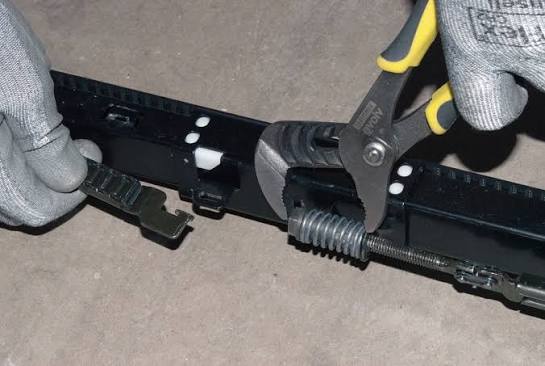
Next, thread the rubber belt through the pulley system. This is often the trickiest part. Ensure the belt is not twisted. Attach one end of the belt to the trolley (the part that moves along the rail) and the other end to the spring-loaded tensioner at the opposite end of the rail. Do not tighten the belt yet; leave it loose until the rail is mounted.
Step 2: Install the Header Bracket
The header bracket is the anchor point for the front of the rail. Locate the center of your garage door opening. Measure approximately 2–4 inches above the top of the door frame, depending on your door’s clearance requirements.
Mark the position and drill pilot holes. Secure the header bracket using the provided lag screws. Use a level to ensure it is perfectly straight. A misaligned bracket can cause the door to bind or operate unevenly.
Step 3: Mount the Motor Unit
With the help of an assistant, lift the motor unit and attach the assembled rail to the header bracket. Temporarily support the rear of the motor unit using a stepladder or wooden blocks.
Locate the ceiling joists above the desired motor position. It is crucial to mount the motor into solid wood joists, not just drywall or insulation. Use the hanging brackets provided in the kit to secure the motor unit to the joists. Ensure the motor is level and stable. Tighten all bolts securely.
Step 4: Connect the Trolley to the Garage Door
Now, connect the moving trolley to the garage door itself. Attach the curved door arm to the trolley and the straight door arm to the bracket on the top section of the garage door.
Use the provided pins and cotter keys to secure these connections. Ensure there is a slight gap (about 1/8 inch) between the arms when the door is closed to allow for proper movement.
Step 5: Install the Wall Control and Safety Sensors
Mount the wall control panel inside the garage, near the entry door, at a height accessible to all users (typically 4–5 feet high). Run the wires from the motor unit to the wall control, securing them with staples along the ceiling or wall.
Next, install the safety reversal sensors on both sides of the garage door track, no higher than 6 inches from the floor. These sensors must face each other directly. If the beam between them is interrupted, the door will stop and reverse. This is a critical safety feature required by law in many regions.
Step 6: Program the Limits and Force Settings
Plug in the motor unit. Most modern belt drive openers have automatic limit setting features. Follow the manufacturer’s instructions to set the “open” and “close” limits. This tells the motor how far to travel.
Test the force settings by placing a 2×4 piece of wood on the floor under the center of the door. Close the door. When it hits the wood, it should automatically reverse. If it does not, adjust the force sensitivity according to the manual. Never bypass safety features.
Step 7: Final Adjustments and Testing
Tighten the belt tensioner now that the rail is fully installed. The belt should be snug but not overly tight. Over-tightening can strain the motor and bearings.
Test the door operation several times using both the wall control and the remote. Listen for any unusual noises. Ensure the door opens and closes smoothly without jerking. Lubricate the garage door springs and rollers with a silicone-based lubricant if needed, but remember: do not lubricate the belt itself.
Frequently Asked Questions (FAQ)
1. Can I install a belt drive opener on an existing garage door?
Yes, belt drive openers are compatible with most standard sectional garage doors. However, ensure your door is properly balanced and the springs are in good condition. An unbalanced door can damage any type of opener.
2. How long does it take to install a garage door opener belt drive?
For a DIY enthusiast with basic tools, the installation typically takes 4–6 hours. If you are replacing an old opener, it may take less time since the header bracket and electrical outlet are already in place.
3. Do belt drive openers require more maintenance than chain drives?
No, they require less maintenance. Chain drives need regular lubrication to prevent rust and noise. Belt drives are made of rubber and steel, which do not require lubrication. Occasional visual inspections for wear are sufficient.
4. What happens if the belt breaks?
While rare, belts can wear out over many years. Most manufacturers offer replacement belts. If the belt breaks, the door will not operate, but it can still be opened manually using the emergency release cord. Always keep this cord accessible.
5. Is professional installation worth the cost?
If you are uncomfortable working with electricity, heavy lifting, or ladder work, hiring a professional is recommended. Professional installation ensures warranty validity and correct safety sensor alignment. However, many homeowners successfully complete this project themselves by following instructions carefully.
Leave a Reply