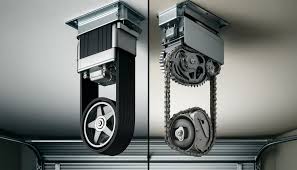
Choosing the right garage door opener can feel overwhelming when you are standing in the hardware store aisle. You want something reliable that won’t wake up the whole house at 6 AM, but you also don’t want to overspend on features you might not need. Understanding the Belt Drive Vs Chain Drive Garage Door Opener Pros Cons is the first step to making a confident, long-term investment for your home.
In this guide, we will cut through the marketing jargon. We will look at real-world performance, noise levels, maintenance requirements, and cost differences. By the end, you will know exactly which system fits your lifestyle and budget.
How Do Belt and Chain Drive Openers Work?
Before we dive into the comparisons, it is helpful to understand the basic mechanics. Both systems use a motor to lift and lower your garage door, but they transfer that power differently.
A chain drive opener uses a metal chain, similar to what you find on a bicycle, to pull the trolley that moves the door. It is a tried-and-true technology that has been used for decades.
A belt drive opener replaces the metal chain with a reinforced rubber or polyurethane belt. This belt is often strengthened with steel wires or fiberglass to handle the heavy load of a garage door. The core motor technology is often similar, but the transmission method changes the user experience significantly.
For a deeper technical understanding of garage door mechanisms, you can refer to general mechanical principles outlined on Wikipedia.
Which Is Quieter: Belt or Chain Drive?
Noise level is arguably the biggest differentiator between these two types of openers. If your garage is attached to your house, or if you have bedrooms above the garage, this factor should be at the top of your list.
The Noise Factor
- Chain Drive: These are notoriously loud. The metal-on-metal contact between the chain and the sprocket creates a distinct rattling and grinding sound. While newer models have improved, they still produce significant vibration and noise during operation.
- Belt Drive: These are exceptionally quiet. The rubber or polyurethane belt absorbs vibration and operates smoothly. Many homeowners describe belt drives as “whisper-quiet,” making them ideal for homes where the garage is near living spaces.
Expert Insight: According to industry standards, belt drive openers can reduce operational noise by up to 75% compared to traditional chain drives. This makes them the preferred choice for modern home designs where silence is a premium feature.
Cost Comparison: Initial Price and Long-Term Value
Budget is always a concern. Let’s break down the financial implications of choosing one over the other.
Upfront Costs
- Chain Drive: These are the most affordable option on the market. You can typically find reliable chain drive openers ranging from $150 to $250. They are cost-effective for landlords, rental properties, or detached garages where noise is not an issue.
- Belt Drive: Expect to pay a premium. Belt drive units usually range from $250 to $400 or more. The higher price reflects the advanced materials and engineering required to create a durable, quiet belt system.
Long-Term Value
While the chain drive is cheaper upfront, consider the long-term value. A belt drive may add to your home’s resale appeal due to its quiet operation and modern perception. Additionally, because belt drives vibrate less, there is potentially less wear and tear on the garage door tracks and rollers over time.
| Feature | Chain Drive | Belt Drive |
|---|---|---|
| Initial Cost | Low ($150–$250) | High ($250–$400+) |
| Noise Level | Loud | Very Quiet |
| Maintenance | Moderate | Low |
| Durability | High | High |
| Best For | Detached garages, budgets | Attached garages, noise sensitivity |
Durability and Maintenance Requirements
Many people assume that because chain drives are made of metal, they are indestructible. While they are tough, they are not maintenance-free. Conversely, some worry that rubber belts will snap or degrade quickly. Let’s look at the facts.
Chain Drive Maintenance
Metal chains stretch over time. To keep a chain drive operating smoothly, you must:
- Lubricate regularly: You need to apply garage door lubricant to the chain every 6–12 months. Without this, the metal grinds, creating more noise and accelerating wear.
- Tighten the chain: As the chain stretches, it may sag. You will need to adjust the tension periodically to prevent slipping or jerky movements.
- Check for rust: In humid climates, metal chains can rust, which weakens the links and increases friction.
Belt Drive Maintenance
Belt drives are often marketed as “maintenance-free,” and they are close to it.
- No Lubrication Needed: The rubber or polyurethane material does not require oiling. In fact, adding oil can damage the belt.
- No Stretching Issues: Modern reinforced belts do not stretch like metal chains. Once installed, they typically maintain their tension for the life of the unit.
- Weather Resistance: High-quality belts are designed to withstand temperature fluctuations without cracking or becoming brittle.
Verdict: If you hate doing maintenance, the belt drive is the clear winner. It is a “install and forget” system for most homeowners.
Performance in Extreme Weather Conditions
Your local climate plays a significant role in which opener will perform best. Garage doors are large surfaces that catch wind and react to temperature changes.
Cold Climates
In freezing temperatures, metal contracts. A chain drive may become tighter and noisier in the winter. However, it remains functional. Belt drives use materials that remain flexible in cold weather, ensuring smooth operation even when temperatures drop below zero.
Hot and Humid Climates
Heat can cause metal to expand, potentially affecting chain tension. More importantly, humidity accelerates rust on chain drives. Belt drives, being made of synthetic materials, are immune to rust. This makes them a superior choice for coastal areas or regions with high humidity.
Installation Complexity: DIY or Professional?
If you are handy, you might consider installing the opener yourself. Both systems are similar in terms of installation complexity because the mounting brackets and rail assembly are nearly identical.
Step-by-Step Overview:
- Assemble the Rail: Connect the rail sections. For belt drives, ensure the belt is properly seated in the pulley system before tightening.
- Mount the Header Bracket: Secure the bracket above the garage door opening.
- Install the Motor Unit: Lift the motor and secure it to the ceiling joists using sturdy lag screws.
- Attach the Trolley: Connect the trolley to the door arm.
- Set Limits and Force: Program the open and close limits. This is crucial for safety.
Tip: Belt drives can be slightly more delicate during installation. You must be careful not to twist or kink the belt. Chain drives are more forgiving if you make a minor error during assembly. If you are unsure, hiring a professional ensures the warranty remains valid and the system is safe.
Security Features and Smart Home Integration
Modern garage door openers are no longer just motors; they are smart home hubs. Both belt and chain drive models now come with advanced security features.
- Rolling Code Technology: Both types use rolling codes that change with every use, preventing hackers from copying your signal.
- Wi-Fi Connectivity: Most mid-to-high-end models from both categories offer Wi-Fi integration. This allows you to open and close your garage via a smartphone app, receive alerts if the door is left open, and integrate with Amazon Alexa or Google Home.
Since the electronic components are similar, you do not sacrifice security or smart features by choosing a belt drive over a chain drive, or vice versa. The difference lies purely in the mechanical transmission.
FAQ Section
1. How long do belt drive garage door openers last?
With proper installation and normal use, a belt drive opener can last between 10 to 15 years. The belt itself is designed to last the lifetime of the motor, so you rarely need to replace just the belt.
2. Can I convert my chain drive opener to a belt drive?
Generally, no. The rail systems, sprockets, and trolley mechanisms are designed specifically for either a chain or a belt. It is usually more cost-effective and safer to replace the entire unit rather than attempting a conversion kit, which are rarely available or reliable.
3. Are belt drive openers strong enough for heavy wooden doors?
Yes. Modern belt drives are reinforced with steel or fiberglass cords. They are rated to lift doors weighing up to 500 pounds or more. Always check the horsepower rating (HP) of the motor. A ½ HP or ¾ HP belt drive is sufficient for most standard double-car garage doors.
4. Do belt drives break easily?
No. Early generations of belt drives had issues with durability, but modern polyurethane belts are extremely tough. They are resistant to stretching, cracking, and snapping under normal operating conditions. They are built to withstand thousands of cycles.
5. Which is better for a detached garage?
For a detached garage, a chain drive is often the better financial choice. Since noise is not a concern for your living space, you can save money upfront with a chain drive without sacrificing reliability or security.
Conclusion
Deciding between Belt Drive Vs Chain Drive Garage Door Opener Pros Cons comes down to your priorities: budget versus comfort.
If you are on a tight budget, have a detached garage, or don’t mind occasional maintenance, a chain drive is a robust, proven workhorse that will get the job done for years.
However, if you value peace and quiet, have an attached garage, or want a low-maintenance solution, the belt drive is worth the extra investment. The silence alone can transform your daily routine, eliminating the early-morning rattle that disturbs your sleep.
Whichever you choose, ensure you buy from a reputable brand and follow the manufacturer’s installation guidelines. Your garage door is the largest moving object in your home—treat it with care.
Leave a Reply