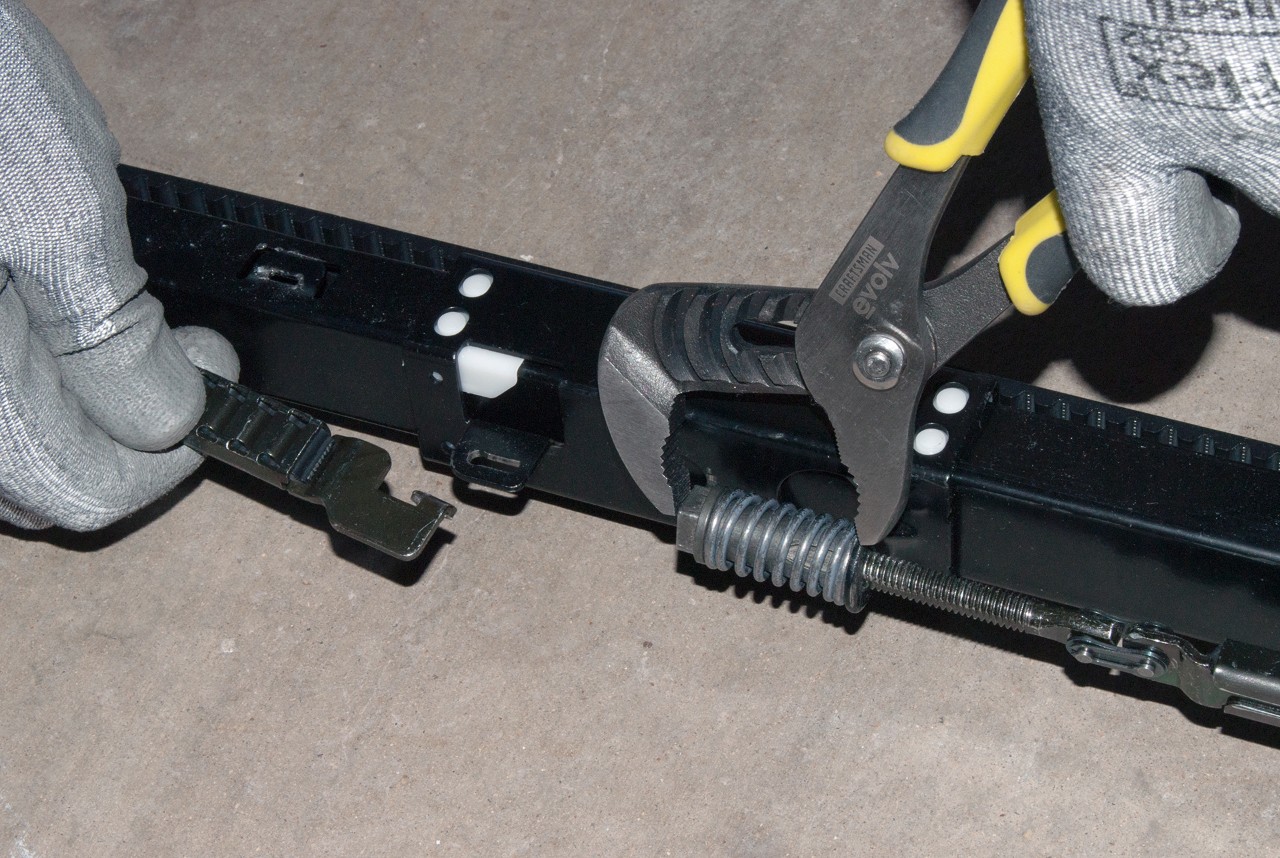
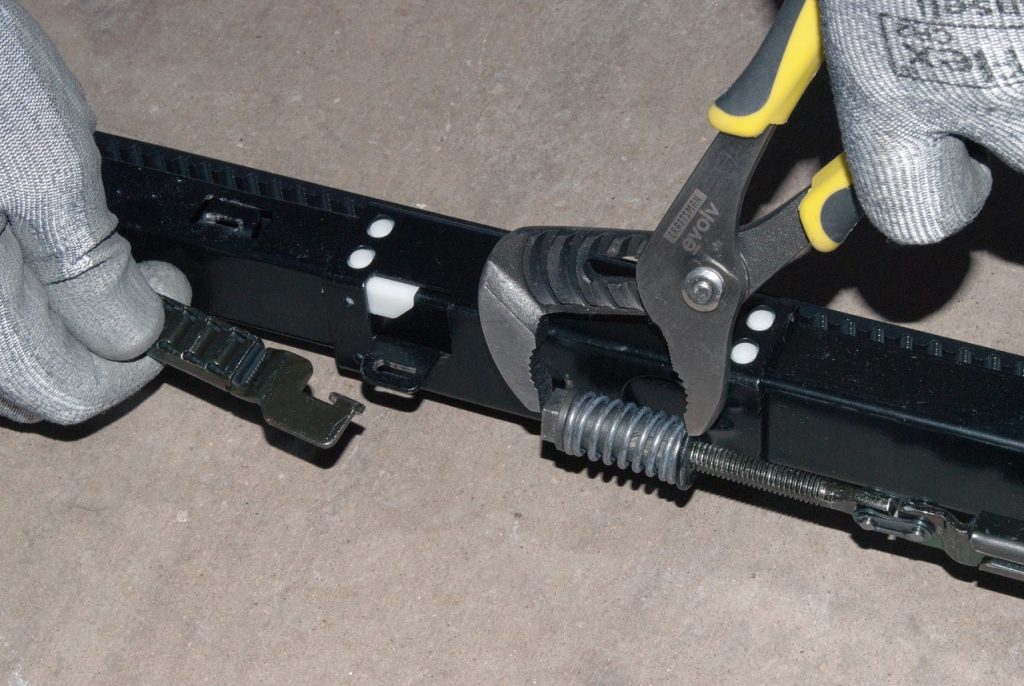
Struggling with a noisy, outdated garage door opener? Upgrading to a quiet, reliable system is easier than you think. In this comprehensive guide, we will show you exactly how to install a Chamberlain garage door opener belt drive so you can enjoy smooth, whisper-quiet operation without hiring a costly professional.
Whether you are a seasoned DIYer or a complete beginner, this tutorial is designed for you. We will break down the process into simple, manageable steps. By the end of this article, you will have the confidence and knowledge to get the job done right.
How To Install A Chamberlain Garage Door Opener Belt Drive: Step-by-Step
Before we dive into the physical installation, let us gather everything you need. Proper preparation is the secret to a smooth installation process.
Essential Tools and Materials
To complete this project, you will need the following tools:
- A standard ladder (tall enough to reach your ceiling)
- A power drill with various drill bits
- A socket wrench set and adjustable wrenches
- A locking plier (Vise-Grips)
- A tape measure and a carpenter’s level
- A stepladder and safety goggles
- The Chamberlain belt drive opener kit (includes motor, rail, belt, sensors, and mounting hardware)
Pro Tip: Lay out all the parts from your Chamberlain kit before you begin. This prevents unnecessary trips up and down the ladder.
Step 1: Assemble the Rail and Motor Unit
Start by laying the motor unit on a flat, clean surface. Attach the two-piece rail to the motor unit using the provided bolts.
Use your socket wrench to tighten them securely. However, do not over-tighten; aim for about 15 ft-lbs of torque. Next, slide the belt into the rail channel. Ensure the belt sits flat without any twists.
Step 2: Mount the Header Bracket
The header bracket connects the opener rail to the garage door itself. You must mount this bracket above the center of the garage door.
Measure the highest point of your garage door. The bottom edge of the header bracket should be positioned 2 to 4 inches above this highest point. Use your carpenter’s level to ensure it is perfectly straight. Mark the holes with a pencil, then drill pilot holes and secure the bracket with the provided lag screws.
Step 3: Mount the Motor Unit to the Ceiling
This step requires a helper, as the motor unit can be quite heavy.
First, locate the ceiling joists directly above the center of the garage door. Never mount the opener directly to drywall or plaster. Use the hanging angle iron provided in your kit. Attach the angle iron to the ceiling joist using structural screws.
Once the hangers are secure, lift the motor unit and attach it to the angle iron. Ensure the rail is perfectly aligned with the header bracket you installed in Step 2.
Step 4: Install the Trolley and Connect the Belt
The trolley is the mechanism that moves along the rail to pull the door open and closed. Slide the trolley onto the rail until it clicks into place.
Next, connect the ends of the belt to the trolley. Chamberlain designs this with a simple clip system. Pull the belt tight to remove any slack, but do not stretch it excessively. There should be about a 1/4-inch clearance between the belt and the bottom of the rail.
Step 5: Attach the Door Bracket and Connecting Arm
Now, move to the garage door itself. Attach the door bracket to the top section of the door.
Measure 3 to 5 inches from the top edge of the door to place the bracket. Secure it with the provided bolts. Afterward, connect the straight arm to the trolley and the curved arm to the door bracket. Join them together using the provided bolts and nuts.
Step 6: Wire and Mount the Safety Sensors
Safety sensors are a critical, legally required component of modern garage door openers. They prevent the door from closing if a person, pet, or object is in the way.
Mount the sending and receiving sensors on both sides of the garage door. They must be positioned exactly 4 to 6 inches above the concrete floor. Ensure both sensors are facing each other directly.
Run the sensor wires along the door frame and up to the motor unit. Connect them to the back of the motor, matching the white and grey wires to their corresponding terminals.
Step 7: Program the Remote and Test the System
Finally, plug the motor unit into a grounded electrical outlet. The LED indicator on the safety sensors should light up solidly. If they are blinking, adjust their alignment until the light stays on.
Insert the battery into your remote control and press the learn button on the motor unit to sync them. Test the door using the wall control. If the door reverses too quickly or struggles to close, use the force adjustment dials on the back of the motor to fine-tune the settings.
Belt Drive vs. Chain Drive: Which is Right for You?
When shopping for a new opener, you might wonder if a belt drive is worth the investment. Here is a quick comparison to help you decide.
| Feature | Belt Drive Opener | Chain Drive Opener |
|---|---|---|
| Noise Level | Whisper-quiet (Ideal for attached garages) | Loud and clunky (Best for detached garages) |
| Durability | High (Rubber belt resists wear and stretching) | Very High (Metal chain is extremely robust) |
| Maintenance | Low (No lubrication needed) | Moderate (Requires regular chain lubrication) |
| Price | Slightly higher initial cost | More affordable upfront |
As you can see, if your garage is attached to your home or located beneath a bedroom, the belt drive is absolutely the superior choice. The noise reduction alone is worth the extra few dollars.
Expert Insights and Industry Statistics
Upgrading your garage door opener is not just about convenience; it is also about home security and property value. According to the International Door Association (IDA), over 70% of homeowners use their garage door as their primary entrance. A reliable, modern opener is crucial for daily convenience and keeping your home secure.
Furthermore, a study by the National Association of Home Builders (NAHB) found that a functioning, high-quality garage door system can significantly boost your home’s curb appeal and resale value.
“A belt drive system is the absolute gold standard for residential homes with attached garages,” says Mark Davidson, a certified garage door technician with over 15 years of field experience. “The rubber belt eliminates the metallic grinding noise found in chain drives, making it virtually silent. Plus, modern Chamberlain units come with advanced battery backups and Wi-Fi connectivity, which are game-changers during power outages.”
For a deeper understanding of the mechanics and history of these systems, you can explore the comprehensive article on the garage door opener on Wikipedia.
Frequently Asked Questions (FAQ)
Can I install a garage door opener by myself?
Yes, absolutely! While it requires some basic DIY skills and a few hours of your time, installing a Chamberlain opener is a very manageable weekend project. The instructions included in the box are highly detailed, and following this guide will make the process even smoother. If you are uncomfortable working on a ladder or dealing with basic wiring, however, hiring a professional is always a safe bet.
How long does it take to install a Chamberlain garage door opener?
For a first-time installer, you should expect the entire process to take between 4 to 6 hours. This includes unboxing, assembling the rail, mounting the hardware, wiring the sensors, and programming the remotes. If you have done this before or have a helper, you can easily finish the job in about 2 to 3 hours.
Do I need a special outlet for my garage door opener?
No, you do not need a special high-voltage outlet. A standard, grounded 120-volt, 60Hz electrical outlet is perfectly fine. However, it is highly recommended to use a dedicated outlet that is not controlled by a wall switch. This prevents someone from accidentally turning off the power to your opener while doing other work in the garage.
Why is my Chamberlain garage door opener making a humming noise?
If your motor hums but the door does not move, the issue is usually related to the garage door itself, not the opener. The most common culprit is a broken torsion spring. Because the opener relies on the springs to lift the heavy door, a broken spring makes the door too heavy for the motor to lift. Do not attempt to fix a broken spring yourself, as they are under extreme tension. Call a professional technician immediately.
How often should I maintain my belt drive garage door opener?
One of the biggest advantages of a belt drive system is its low maintenance. Unlike chain drives, you never need to lubricate the belt. However, you should still perform a general maintenance check every 6 to 12 months. This includes testing the auto-reverse safety feature, checking the tightness of the mounting bolts, and wiping dust off the safety sensor lenses.
Conclusion
Learning how to install a Chamberlain garage door opener belt drive is a highly rewarding DIY project that saves you hundreds of dollars in professional installation fees. Not only will you enjoy the luxury of a whisper-quiet garage door, but you will also enhance your home’s security and daily convenience.
By following the step-by-step instructions outlined above, you can tackle this installation with confidence. Remember to take your time, prioritize safety, and double-check your measurements.
Leave a Reply