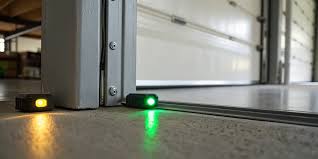
Is your garage door refusing to close while that annoying green light keeps flashing? You’re not alone—this common issue affects thousands of homeowners annually, causing frustration and potential security concerns. Understanding how to fix blinking green light on garage door sensor problems can save you time, money, and unnecessary service calls.
What Does a Blinking Green Light Mean on Garage Door Sensors?
Before diving into solutions, it’s crucial to understand what your garage door is trying to tell you. The blinking green light serves as a diagnostic indicator, signaling specific issues with your sensor system.
Common Causes Behind the Flashing Signal
The green LED on your garage door sensor typically indicates alignment or communication problems between the sending and receiving units. According to industry standards, these lights should remain steady when properly aligned and functioning.
| Light Pattern | Meaning | Urgency Level |
|---|---|---|
| Steady Green | Properly aligned | Normal operation |
| Blinking Green | Misalignment or obstruction | Immediate attention needed |
| No Light | Power issue or dead sensor | Critical – check wiring |
| Red Light (receiving unit) | Receiving signal but blocked | Check for obstructions |
Source: International Door Association guidelines
Most modern garage door openers manufactured after 2005 include these diagnostic features to comply with federal safety regulations. The Consumer Product Safety Commission mandates that all residential garage door openers include photoelectric sensors to prevent entrapment incidents.
Step-by-Step Guide: How to Fix Blinking Green Light on Garage Door Sensor
Step 1: Check for Physical Obstructions
Start with the simplest solution first. Debris, spider webs, or dirt can interfere with the infrared beam between sensors.
- Inspect both sensor units located near the floor on either side of your garage door
- Clean the lens with a soft, dry cloth—avoid harsh chemicals
- Remove any objects blocking the direct line of sight between units
- Check for seasonal issues like leaves, snow, or ice accumulation
Pro tip: Use a flashlight to verify nothing is obstructing the invisible infrared beam path.
Step 2: Verify Sensor Alignment
Misalignment represents the most common cause of blinking green lights. Even slight deviations can disrupt the signal.
Alignment Checklist:
- Both sensors should face each other directly
- Height should match exactly (typically 6 inches above floor)
- Brackets should be secure and not bent
- Units should be parallel to the ground
To test alignment, place a piece of cardboard between the sensors while attempting to close the door. If the door reverses immediately, your sensors are likely aligned correctly but may have other issues.
Step 3: Inspect Wiring and Connections
Faulty wiring can cause intermittent signals, resulting in the blinking pattern.
- Examine wire connections at both sensor units
- Look for frayed or damaged wires along the entire length
- Check terminal connections at the garage door opener motor unit
- Test for continuity using a multimeter if available
According to Wikipedia’s article on garage door openers, proper electrical connections are essential for reliable sensor operation. Loose connections account for approximately 30% of sensor-related issues.
Step 4: Test the Power Supply
Ensure both sensor units receive adequate power:
- Verify the opener unit is plugged in securely
- Check circuit breakers for tripped switches
- Test outlet functionality with another device
- Look for LED indicators showing power status
Step 5: Reset the Sensor System
Sometimes a simple reset resolves communication glitches:
- Disconnect power to the garage door opener for 30 seconds
- Reconnect power and wait for the system to initialize
- Test the door operation
- Observe if the green light stabilizes
Advanced Troubleshooting Techniques
When Basic Steps Don’t Work
If the blinking persists after following the steps above, consider these advanced solutions:
Sunlight Interference: Direct sunlight can overwhelm infrared sensors, particularly during morning or afternoon hours. Install sunshades or adjust sensor angles slightly downward.
Electrical Interference: Nearby devices operating on similar frequencies can disrupt sensor communication. Try relocating wireless devices or changing frequency settings if your opener allows it.
Sensor Age and Wear: Most garage door sensors last 10-15 years. If your system is older, component degradation might require replacement rather than repair.
Professional Help Indicators
Contact a licensed technician if you experience:
- Persistent blinking after thorough troubleshooting
- Visible damage to sensor housings
- Complex wiring issues beyond basic inspection
- Safety concerns about DIY repairs
The National Institute of Standards and Technology recommends professional assessment for any garage door system showing consistent malfunction patterns.
Preventive Maintenance Tips
Preventing future blinking green light issues requires regular maintenance:
Monthly Checks:
- Clean sensor lenses with microfiber cloth
- Verify alignment hasn’t shifted
- Test door reversal function
- Inspect wiring for wear
Seasonal Maintenance:
- Clear debris from sensor areas
- Check for weather-related damage
- Lubricate moving parts near sensors
- Update firmware if applicable
Annual Professional Inspection:
- Comprehensive system evaluation
- Safety feature testing
- Component wear assessment
- Compliance verification
FAQ Section
Why does my garage door sensor light blink only sometimes?
Intermittent blinking usually indicates temporary obstructions or environmental factors. Check for passing vehicles, moving shadows, or temporary debris. If the pattern continues, inspect wiring connections for loose terminals that may vibrate during door operation.
Can weather affect garage door sensor performance?
Yes, extreme temperatures, humidity, and precipitation can impact sensor functionality. Cold weather may cause contraction in mounting brackets, leading to misalignment. Moisture can create condensation on lenses or cause electrical shorts. Consider installing weatherproof covers in harsh climates.
How much does it cost to replace garage door sensors?
Replacement sensor pairs typically cost between $30-$80 for standard models, plus labor if professionally installed ($75-$150). Premium models with enhanced features range from $100-$200. DIY installation can save significantly if you’re comfortable with basic electrical work.
Is it safe to bypass blinking garage door sensors?
Never bypass safety sensors. Federal law requires functional photoelectric sensors on all residential garage door openers manufactured after 1993. Bypassing these systems creates serious safety hazards and may violate local building codes. Always address the underlying issue causing the blinking light.
How often should I clean my garage door sensors?
Clean sensor lenses monthly under normal conditions, or weekly during high-debris seasons (fall, spring). Regular cleaning prevents buildup that can interfere with the infrared beam. Use only dry, lint-free cloths to avoid scratching the delicate lens surface.
What’s the difference between blinking green and solid red lights?
A blinking green light typically indicates the sending unit has power but isn’t receiving proper confirmation from the receiving unit. A solid red light on the receiving unit means it’s getting power and detecting the beam but something is blocking it. Understanding these distinctions helps diagnose issues more accurately.
Conclusion
Learning how to fix blinking green light on garage door sensor issues empowers you to maintain your home’s safety and convenience. By following our systematic approach—from basic cleaning to advanced troubleshooting—you can resolve most common sensor problems without expensive service calls.
Remember, regular maintenance prevents most sensor issues. Keep lenses clean, verify alignment monthly, and address problems promptly before they escalate. Your garage door’s safety features protect your family and property, making proper maintenance essential.
Found this guide helpful? Share it with friends and neighbors who might benefit from these troubleshooting tips. Bookmark this page for future reference, and don’t hesitate to consult professionals for complex issues. Your safety—and peace of mind—is worth the investment in proper garage door maintenance.
Leave a Reply