Introduction
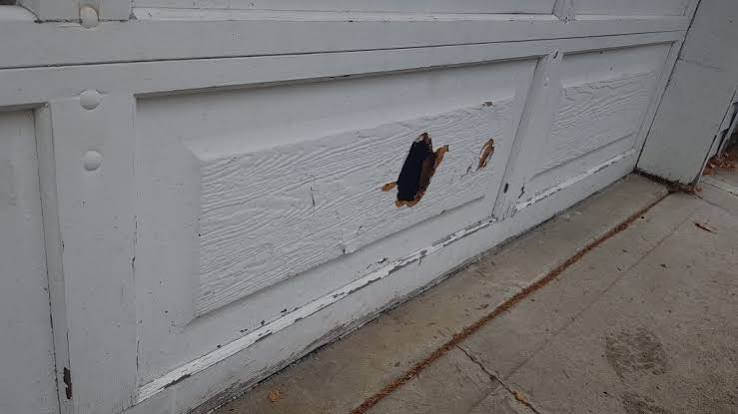
Discovering a hole in your garage door can be frustrating and concerning. Whether caused by an accidental impact, weather damage, or wear and tear, this problem compromises your home’s security, insulation, and curb appeal. If you’re wondering how to fix a hole in a garage door panel, you’re not alone—thousands of homeowners face this issue annually. The good news? Many holes can be repaired without replacing the entire door, saving you hundreds or even thousands of dollars. This comprehensive guide will walk you through professional repair techniques that work for various door materials, helping you restore your garage door’s functionality and appearance efficiently.
What Materials Do You Need to Fix a Garage Door Hole?
Before starting any repair, gathering the right tools and materials is essential for success. The specific supplies you’ll need depend on your garage door’s material and the hole’s size, but here’s a comprehensive list:
Essential Tools and Materials
- For small holes (under 2 inches):
- Automotive body filler or epoxy putty
- Sandpaper (80, 120, and 220 grit)
- Putty knife or spreader
- Primer and matching paint
- Clean cloths and rubbing alcohol
- For medium holes (2-6 inches):
- Mesh patch or fiberglass screen
- Bondo or two-part epoxy resin
- Wire brush
- Paint scraper
- Protective gloves and safety glasses
- For large holes (over 6 inches):
- Replacement panel section or aluminum sheet
- Rivet gun or self-tapping screws
- Metal cutting tools
- Weatherstripping material
Pro Tip: Always wear protective gear when working with chemical fillers and metal tools. Work in a well-ventilated area to avoid inhaling fumes from epoxy or paint products.
How Do You Assess the Damage Before Repairing?
Proper assessment determines whether your hole is repairable or if panel replacement is necessary. Follow these evaluation steps:
Step 1: Measure the Hole
Use a tape measure to determine the exact dimensions. Holes smaller than 6 inches in diameter are typically repairable with filler methods. Larger damage may require professional intervention or panel replacement.
Step 2: Identify the Door Material
- Steel doors: Most common; respond well to epoxy and body filler repairs
- Aluminum doors: Softer metal; requires gentle handling to prevent further deformation
- Wood doors: Can be patched with wood filler or replaced sections
- Fiberglass doors: Need specialized resin kits designed for composite materials
Step 3: Check for Structural Damage
Examine the surrounding area for:
- Bent or warped panels
- Cracks extending beyond the hole
- Damaged insulation (if present)
- Compromised weather sealing
According to the International Door Association, proper maintenance and timely repairs can extend a garage door’s lifespan by 5-10 years, making DIY fixes worthwhile investments.
Step 4: Evaluate Location Impact
Holes near hinges, rollers, or track connections may affect door operation. If structural components are compromised, consult a professional before attempting repairs.
Step-by-Step Guide: How to Fix Small Holes in Steel Garage Doors
Small dents and punctures in steel doors are the most straightforward repairs. Here’s the detailed process:
Preparation Phase
- Clean the Area Thoroughly
- Remove dirt, rust, and loose paint using a wire brush
- Wipe with rubbing alcohol to eliminate grease and oils
- Allow the surface to dry completely (15-20 minutes)
- Sand the Surrounding Area
- Use 80-grit sandpaper around the hole (2-inch radius)
- Create a smooth transition zone for better filler adhesion
- Remove sanding dust with a clean, damp cloth
Application Process
- Apply Epoxy or Body Filler
- Mix two-part epoxy according to manufacturer instructions (typically 1:1 ratio)
- For automotive body filler, prepare only what you can use within 5-7 minutes
- Press filler firmly into the hole, overfilling slightly (1-2mm above surface)
- Use a putty knife to smooth edges and remove excess material
- Allow Proper Curing Time
- Standard epoxy: 2-4 hours at 70°F (21°C)
- Fast-setting fillers: 30-45 minutes
- Cold weather may require 24+ hours; check product specifications
- Sand to Smooth Finish
- Start with 120-grit sandpaper to level the filler
- Progress to 220-grit for a smooth, paint-ready surface
- Feather edges into surrounding panel to avoid visible ridges
Finishing Touches
- Prime and Paint
- Apply metal primer to the repaired area
- Wait 1-2 hours for primer to dry
- Match paint color to your existing door (take a sample to hardware store if needed)
- Apply 2-3 thin coats, allowing 30 minutes between applications
Can You Repair Holes in Aluminum Garage Doors?
Aluminum doors require different techniques due to the metal’s softer nature and different bonding properties.
Key Differences from Steel Repairs
| Factor | Steel Doors | Aluminum Doors |
|---|---|---|
| Filler Type | Standard epoxy/Bondo | Aluminum-specific epoxy |
| Sanding Grit | 80-220 | 120-320 (gentler) |
| Heat Sensitivity | Low | High (avoid heat guns) |
| Paint Adhesion | Excellent | Requires special primer |
Aluminum-Specific Repair Steps
- Use Aluminum-Compatible Products Standard automotive fillers may not bond properly to aluminum. Choose epoxies specifically formulated for non-ferrous metals.
- Avoid Excessive Pressure Aluminum dents easily. When applying filler, use gentle pressure to prevent creating new deformations.
- Apply Zinc-Chromate Primer This specialized primer prevents oxidation and ensures paint adhesion on aluminum surfaces. Regular primers may peel within months.
- Consider Professional Help for Large Damage Aluminum’s softness makes large-hole repairs challenging. If the hole exceeds 4 inches, professional panel replacement may be more cost-effective.
What About Wood Garage Door Holes?
Wooden garage doors offer unique repair opportunities because wood is easier to shape and match than metal.
Wood Repair Method
- Remove Damaged Wood
- Use a chisel to clean out rot or splintered areas
- Create clean, straight edges for better filler bonding
- Apply Wood Filler or Epoxy
- For small holes: Use stainable wood filler
- For larger gaps: Two-part wood epoxy provides superior strength
- Shape and Sand
- Carve filler to match panel contours while semi-dry
- Sand progressively from 100 to 220 grit
- Stain or Paint
- Test stain on inconspicuous area first
- Apply matching finish to blend with surrounding wood
Expert Insight: Wood doors benefit from regular sealing every 2-3 years to prevent future moisture damage and hole formation.
When Should You Call a Professional?
While DIY repairs save money, certain situations warrant professional assistance:
- Holes larger than 8 inches compromising structural integrity
- Damage near springs, cables, or tracks affecting door operation
- Multiple holes across several panels indicating systemic issues
- Insulated doors where internal foam damage affects energy efficiency
- Warranty-covered doors where DIY repairs might void coverage
Professional repair typically costs $150-$400 per panel, compared to $20-$50 for DIY materials. However, improper repairs can lead to costly replacements later.
FAQ Section
Q1: How long does a garage door hole repair last?
A: Properly executed repairs using quality materials can last 5-10 years. Factors affecting longevity include weather exposure, door usage frequency, and maintenance practices. Regular cleaning and repainting every 3-5 years extends repair life significantly.
Q2: Can I fix a hole without removing the garage door?
A: Yes, most small to medium holes can be repaired with the door in place. Ensure the door is securely closed and locked during repairs. For safety, disconnect the automatic opener to prevent accidental activation.
Q3: Will fixing a hole affect my garage door warranty?
A: It depends on your warranty terms. Minor cosmetic repairs typically don’t void warranties, but structural modifications might. Check your warranty documentation or contact the manufacturer before proceeding with major repairs.
Q4: What’s the cheapest way to fix a garage door hole?
A: For small holes, automotive body filler ($10-$15) combined with basic sandpaper and touch-up paint offers the most cost-effective solution. Total material costs range from $20-$40, compared to $200+ for professional service.
Q5: Can I use duct tape as a temporary fix?
A: Duct tape provides only very short-term protection (days to weeks) and doesn’t address underlying damage. It’s suitable for emergency weather protection but should be replaced with proper repairs promptly to prevent rust, moisture intrusion, and further deterioration.
Q6: Does fixing a hole improve energy efficiency?
A: Yes, especially for insulated doors. Holes compromise thermal barriers, allowing heat transfer and increasing energy costs. Proper sealing restores insulation value, potentially reducing heating and cooling expenses by 5-15% in extreme climates.
Conclusion
Learning how to fix a hole in a garage door panel empowers you to maintain your home’s security, appearance, and energy efficiency without breaking the bank. Whether you’re dealing with a small puncture in steel, a dent in aluminum, or damage to wood, the techniques outlined in this guide provide reliable, long-lasting solutions. Remember to assess damage carefully, choose appropriate materials for your door type, and follow safety precautions throughout the repair process.
With proper preparation and patience, most homeowners can successfully complete these repairs in 2-4 hours, saving hundreds compared to professional services. Don’t let a small hole become a big problem—take action today to protect your investment.
Found this guide helpful? Share it with friends and neighbors who might face similar garage door issues. Your knowledge could save someone from unnecessary replacement costs! Follow us on social media for more home maintenance tips and DIY tutorials
Leave a Reply