Introduction
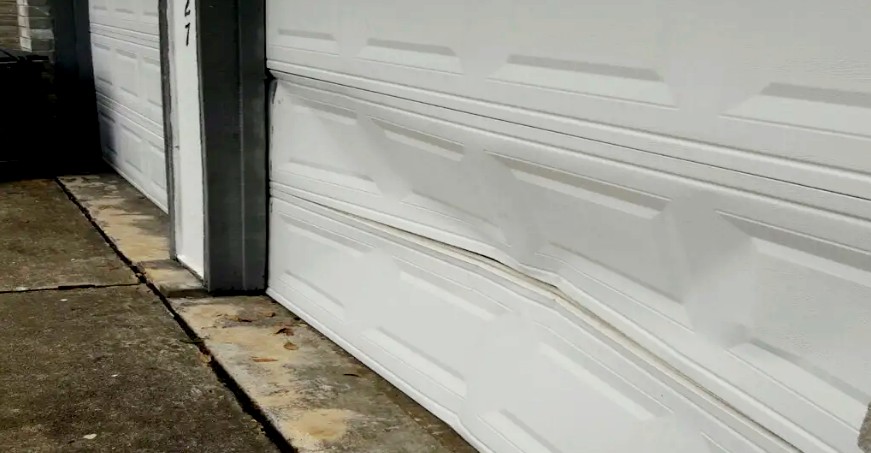
There’s nothing quite as frustrating as discovering your garage door has taken an unexpected hit. Whether it was a rogue shopping cart, a minor fender bender, or severe weather conditions, a bent garage door can compromise both security and curb appeal. If you’re wondering how to fix a garage door that is bent, you’re in the right place. This comprehensive guide will walk you through assessment techniques, repair methods, and when to call in the professionals—helping you make informed decisions while potentially saving hundreds of dollars.
Understanding Garage Door Damage: What You’re Dealing With
Before diving into repairs, it’s crucial to understand what type of damage you’re facing. Garage doors typically consist of multiple panels made from steel, aluminum, wood, or fiberglass. The severity of bending determines whether a DIY approach is feasible or if professional intervention is necessary.
Types of Garage Door Bends
| Type of Bend | Severity | DIY-Friendly? | Typical Cause |
|---|---|---|---|
| Minor Dent | Low | Yes | Hail, small impacts |
| Panel Crease | Medium | Sometimes | Vehicle contact |
| Structural Bend | High | No | Major collision |
| Track Misalignment | Medium | Yes | Impact near edges |
According to the International Association of Certified Home Inspectors, approximately 30% of garage door service calls involve some form of physical damage to panels or tracks. Understanding where your damage falls on this spectrum is the first critical step.
Assessing the Damage: Is It Safe to Repair Yourself?
Not all bent garage doors are created equal. Before grabbing your tools, perform a thorough assessment to determine if DIY repair is safe and practical.
Step 1: Visual Inspection
Examine the affected area in good lighting. Look for:
- Cracks or tears in the metal
- Paint damage that exposes bare metal
- Bending near hinges or rollers
- Damage to multiple panels
Step 2: Functional Test
Carefully operate the door manually (disconnect the opener first). Note any:
- Unusual noises
- Resistance during movement
- Visible gaps between panels
- Misalignment with tracks
Step 3: Safety Check
Warning: If you notice any of the following, stop immediately and call a professional:
- Broken springs or cables
- Severe structural deformation
- Electrical component damage
- Doors weighing over 400 pounds
The Consumer Product Safety Commission reports that garage door-related injuries send over 30,000 people to emergency rooms annually, emphasizing the importance of knowing your limits.
Tools and Materials You’ll Need
Gathering the right tools before starting ensures a smoother repair process. Here’s your essential checklist:
Basic Repair Kit
- Rubber mallet or hammer
- Block of wood (2×4 works well)
- Pliers and adjustable wrench
- Screwdriver set
- Level
- Measuring tape
- Safety glasses and work gloves
For More Significant Repairs
- Metal filler or auto body compound
- Sandpaper (80, 120, and 220 grit)
- Primer and matching paint
- Clamps or vice grips
- Heat gun (for plastic components)
Pro Tip: Invest in quality tools—they last longer and provide better results. A $15 rubber mallet from a hardware store often outperforms cheaper alternatives.
Step-by-Step: How To Fix A Garage Door That Is Bent
Now for the main event. Follow these detailed steps to restore your garage door to its former glory.
Method 1: Fixing Minor Dents and Bends
This method works best for shallow dents that haven’t compromised the panel’s structural integrity.
- Clean the Area: Remove dirt and debris with mild soap and water. Dry thoroughly.
- Apply Heat (Optional): For steel doors, use a heat gun on low setting for 30-45 seconds to make the metal more pliable. Keep it moving to avoid overheating.
- Position Your Wood Block: Place the 2×4 behind the dent, centered on the affected area.
- Gentle Tapping: Using the rubber mallet, tap around the edges of the dent, working toward the center. Apply moderate force—think firm taps, not hard hits.
- Check Progress Frequently: Step back every few taps to assess improvement. Over-correction can create new problems.
- Fine-Tune: Once the major bend is corrected, use smaller taps to smooth remaining imperfections.
Method 2: Addressing Creased Panels
When a panel has a sharp crease rather than a rounded dent, you’ll need a different approach.
- Access the Back: Open the door fully and secure it. Work from inside the garage if possible.
- Straighten from Behind: Position your wood block against the crease from the interior side.
- Apply Gradual Pressure: Use the mallet to push the metal back into shape. Start at one end of the crease and work systematically.
- Support the Front: Have a helper hold a flat board against the exterior to prevent further damage.
- Repeat as Needed: Multiple sessions may be required for stubborn creases.
Method 3: When Replacement Is Necessary
Sometimes, repair isn’t viable. Consider panel replacement when:
- The bend affects more than 25% of the panel
- Multiple cracks are present
- The door no longer operates smoothly after repair attempts
- Cosmetic appearance remains unacceptable
Replacement panels typically cost $150-$400 each, plus installation fees if you hire a professional.
Finishing Touches: Making Your Repair Invisible
A successful repair isn’t just functional—it should look good too.
Sanding and Smoothing
- Start with 80-grit sandpaper for rough areas
- Progress to 120-grit for smoothing
- Finish with 220-grit for a polished surface
- Always sand in the direction of the grain (if visible)
Painting for Protection
- Clean the sanded area with tack cloth
- Apply metal primer (two thin coats)
- Let dry completely (follow manufacturer’s instructions)
- Apply matching paint (two coats recommended)
- Allow 24-48 hours curing time before regular use
Color Matching Tip: Take a photo of your door to the paint store for custom matching, or check the manufacturer’s website for original color codes.
Preventing Future Damage
An ounce of prevention is worth a pound of cure. Implement these strategies to protect your investment:
- Install protective bumper strips on walls near the door
- Maintain proper clearance around the door opening
- Regularly inspect and lubricate moving parts
- Consider upgrading to impact-resistant panels if you live in hail-prone areas
- Teach family members proper door operation
FAQ Section
Q: How much does it cost to fix a bent garage door professionally?
A: Professional repair costs vary widely based on damage severity. Minor dent removal typically ranges from $150-$300, while panel replacement runs $250-$600 per panel including labor. Major structural repairs can exceed $1,000.
Q: Can I fix a bent garage door without removing it from the tracks?
A: Yes, most minor to moderate repairs can be performed with the door in place. However, ensure the door is properly secured and disconnected from the opener for safety. Complex repairs may require partial disassembly.
Q: Will fixing a bent panel affect my garage door warranty?
A: DIY repairs typically void manufacturer warranties on affected components. However, many homeowners find the cost savings worthwhile for older doors. Check your specific warranty terms before proceeding.
Q: How long does a typical garage door panel repair take?
A: Minor dent repairs usually take 1-2 hours. More complex crease corrections may require 3-4 hours, especially if painting is involved. Allow additional time for paint drying between coats.
Q: Is it better to repair or replace a bent garage door panel?
A: Consider repair if the damage is cosmetic and limited to one panel. Replacement becomes more economical when multiple panels are damaged, structural integrity is compromised, or the door is over 15 years old.
Q: Can weather stripping help prevent future bends?
A: While weather stripping primarily seals gaps, installing protective edge guards or rubber bumpers provides better impact protection. These accessories absorb minor collisions before they reach the door panels.
Conclusion
Learning how to fix a garage door that is bent empowers you to handle common household issues confidently while saving significant money. Whether you’re dealing with a minor dent from yesterday’s basketball game or a more serious crease from an unfortunate parking mishap, the techniques outlined above provide a solid foundation for successful repairs.
Remember, safety always comes first. If you’re ever uncertain about the extent of damage or your ability to perform repairs safely, don’t hesitate to consult a professional. Your garage door represents both a significant investment and a critical security feature for your home.
Found this guide helpful? Share it with friends and neighbors who might face similar challenges. Together, we can keep our homes safe, secure, and looking their best—one repaired garage door at a time!
Have questions or success stories? Drop them in the comments below. Your experience might help someone else tackle their own bent garage door dilemma.
Leave a Reply