Introduction
Is your garage door refusing to close because the safety sensors are acting up? It’s a frustrating situation, especially when you’re in a hurry. Many homeowners search for “How To Disable Safety Sensors On Garage Door Opener” out of desperation, but doing so poses severe safety risks and violates federal safety standards. Instead of bypassing these critical protections, this guide will show you how to properly troubleshoot, clean, and realign your sensors to restore normal function safely and effectively.
Why You Should Never Disable Garage Door Safety Sensors
Before diving into fixes, it’s crucial to understand why these sensors exist. Since 1993, U.S. federal law has required all residential garage door openers to have safety reversal mechanisms. These include photo-eye sensors that detect obstacles in the door’s path.
The Risks of Bypassing Safety Features
Disabling or tampering with these sensors can lead to:
- Serious Injury or Death: Garage doors are heavy. If they close on a person, pet, or object, the results can be catastrophic.
- Voided Warranties: Most manufacturers void warranties if safety features are altered.
- Legal Liability: If an accident occurs due to disabled sensors, you could face significant legal consequences.
- Insurance Issues: Homeowners insurance may deny claims related to accidents involving modified safety systems.
According to the U.S. Consumer Product Safety Commission, thousands of injuries are prevented annually by functioning garage door safety sensors. Always prioritize safety over convenience.
Common Reasons Garage Door Sensors Fail
Often, the desire to disable sensors stems from misunderstanding why they’re not working. Here are the most common causes:
- Misalignment: Even a slight shift can break the infrared beam.
- Dirt or Debris: Dust, spiderwebs, or mud on the lens blocks the signal.
- Sunlight Interference: Direct sunlight can overwhelm the sensor’s receiver.
- Wiring Issues: Loose or damaged wires prevent proper communication.
- Power Problems: One or both sensors may not be receiving power.
Step-by-Step Troubleshooting Guide
Follow these safe, expert-recommended steps to resolve sensor issues without disabling them.
Step 1: Check the Indicator Lights
Most garage door sensors have LED lights. Typically:
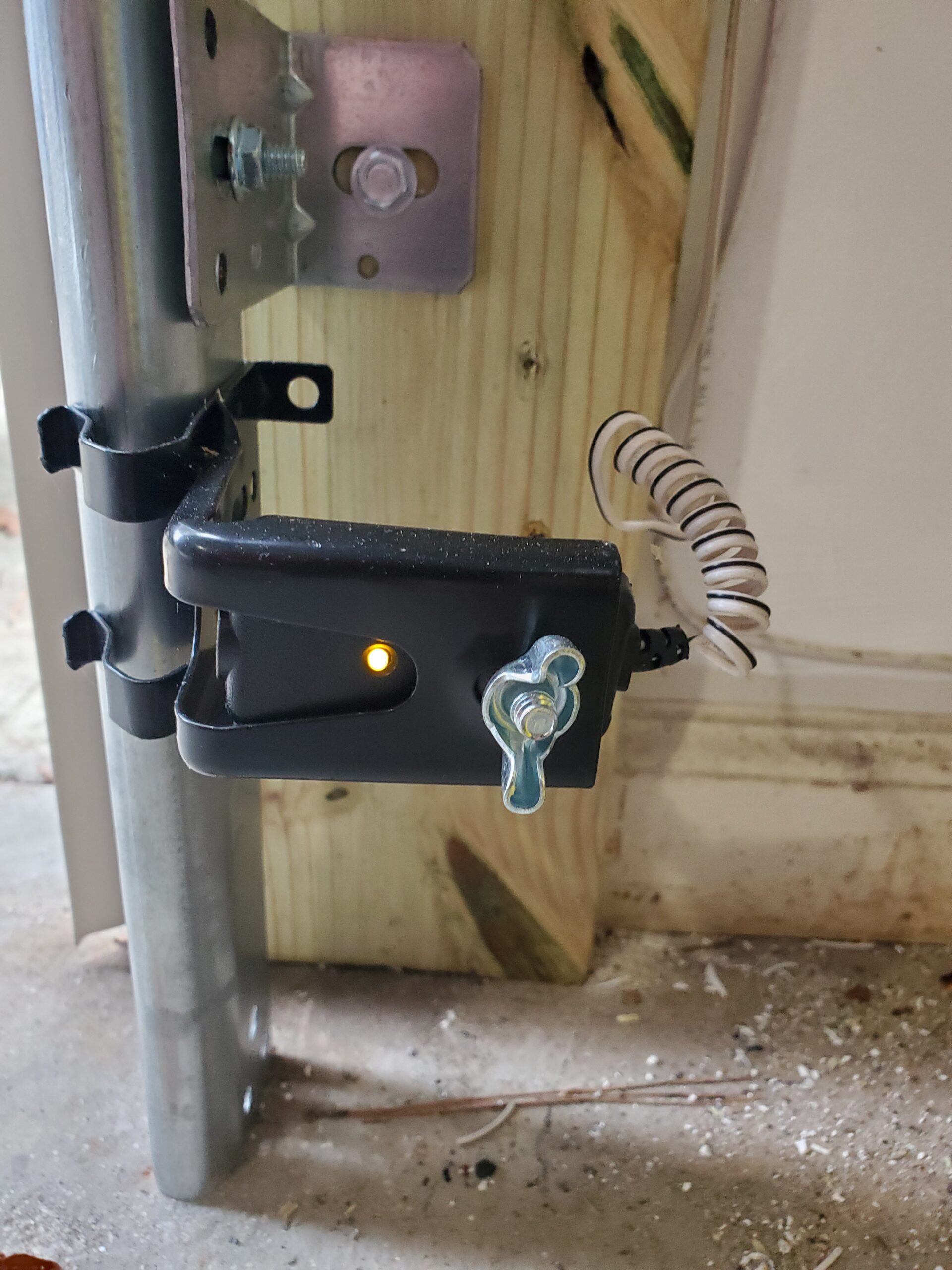
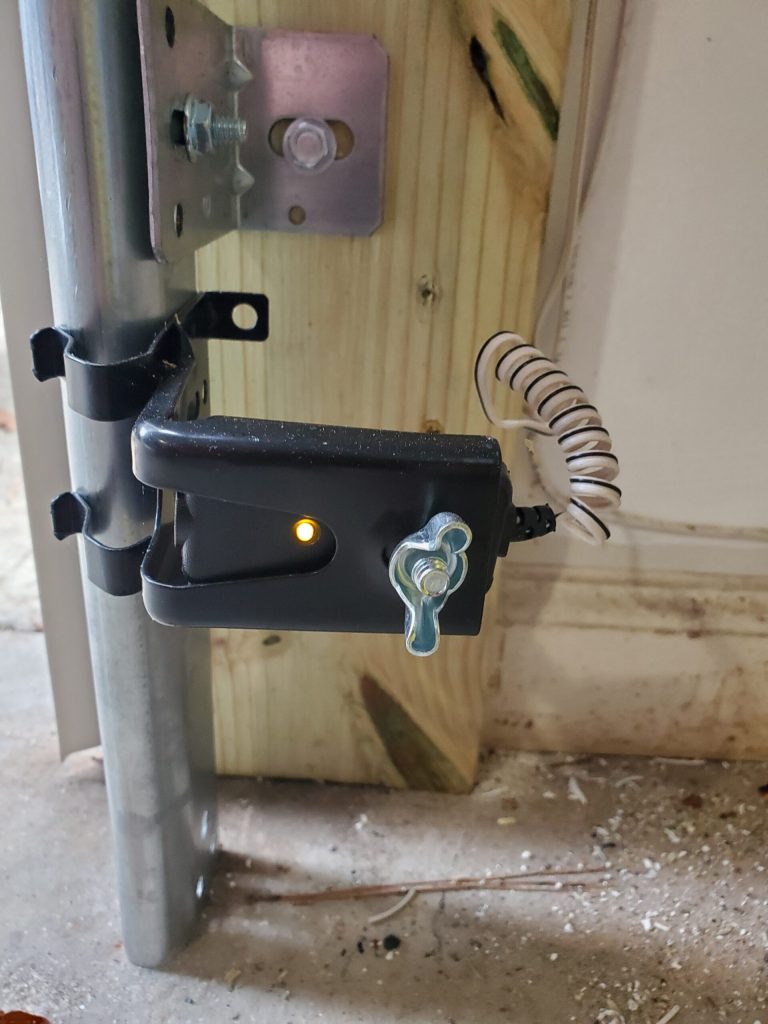
- Sending Sensor: Has a steady amber or yellow light.
- Receiving Sensor: Has a steady green light when aligned correctly.
If the receiving sensor’s light is blinking or off, it indicates a problem. Note the color and behavior before proceeding.
Step 2: Clean the Sensor Lenses
Use a soft, dry cloth to gently wipe the lenses on both sensors. Avoid using harsh chemicals or abrasive materials. Even a thin layer of dust can block the infrared beam.
Pro Tip: Perform this maintenance monthly to prevent future issues.
Step 3: Realign the Sensors
Misalignment is the most common cause of failure. Here’s how to fix it:
- Loosen the Wing Nuts: Gently loosen the wing nuts or screws holding the sensors in place. Do not remove them completely.
- Adjust the Brackets: Slowly move the sensors until both indicator lights are steady. You may need an assistant to watch the lights while you adjust.
- Tighten Securely: Once aligned, tighten the wing nuts carefully. Avoid overtightening, which can shift the alignment.
- Test the Door: Use the wall button to close the door. If it closes smoothly, the alignment is correct.
Step 4: Check for Obstructions and Sunlight
Ensure nothing is blocking the path between the sensors. Also, check if direct sunlight is hitting the receiving sensor. If so, consider installing a shade or adjusting the sensor angle slightly to avoid glare.
Step 5: Inspect Wiring and Power
Check the wires connecting the sensors to the opener unit. Look for:
- Cuts or fraying
- Loose connections at the terminal screws
- Damage from pests or weather
If you find damaged wiring, contact a professional garage door technician for repair.
When to Call a Professional
While many sensor issues can be resolved with basic troubleshooting, some situations require expert help:
- Persistent Blinking Lights: If lights continue to blink after cleaning and realignment.
- Damaged Hardware: Cracked sensor housings or broken brackets.
- Electrical Issues: Suspected problems with the opener’s control board.
- Older Systems: Openers older than 10 years may need replacement parts or upgrades.
A certified technician can diagnose complex issues and ensure your system meets current safety standards.
FAQ Section
Q1: Can I temporarily bypass garage door sensors for maintenance?
A: No. There is no safe or legal way to bypass sensors, even temporarily. If you need to perform maintenance, use the manual release cord to operate the door manually, ensuring no one is in the path.
Q2: Why does my garage door reverse immediately after touching the floor?
A: This is often due to misaligned sensors or excessive force settings. Check sensor alignment first. If the problem persists, adjust the force settings according to your opener’s manual, but never disable the sensors.
Q3: How often should I test my garage door safety sensors?
A: Test your sensors monthly. Place a small object (like a roll of paper towels) in the door’s path while closing. The door should reverse immediately upon detecting the object.
Q4: What if one sensor light is off completely?
A: This usually indicates a power issue. Check the wiring connections and ensure the sensor is plugged in securely. If the light remains off, the sensor may be faulty and need replacement.
Q5: Are aftermarket universal sensors safe to use?
A: Only use sensors approved by your garage door opener manufacturer. Universal sensors may not meet safety standards or communicate properly with your system.
Q6: Can bad weather affect garage door sensors?
A: Yes. Heavy rain, snow, or extreme temperatures can impact sensor performance. Ensure sensors are housed in protective casings and keep lenses clean during inclement weather.
Conclusion
Dealing with malfunctioning garage door sensors is frustrating, but disabling them is never the answer. By following the safe troubleshooting steps outlined above—cleaning, realigning, and inspecting—you can resolve most issues without compromising safety. Remember, these sensors protect your family, pets, and property. Regular maintenance and prompt attention to problems ensure your garage door operates smoothly and safely for years to come.
If you found this guide helpful, please share it with friends and neighbors who might benefit from safe garage door practices. Stay safe, and keep your home secure!
Leave a Reply