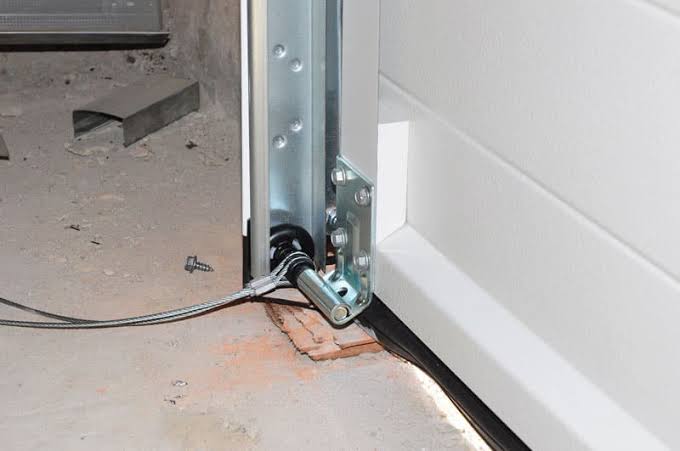
Coming home to a malfunctioning entryway can be incredibly stressful, especially when you need to secure your property for the night or protect your vehicles from harsh weather. If you are actively searching for how to close a garage door with a broken cable, please know that you are not alone, and this guide will help you handle this emergency safely and effectively. Dealing with heavy doors and high-tension springs is inherently risky, but taking the right precautions can protect your home, your car, and your family until professional help arrives.
How To Close A Garage Door With A Broken Cable – Safety First
Before you attempt any physical intervention, it is crucial to understand the complex mechanics of your door. A standard garage door relies on a highly calibrated system of heavy-duty galvanized steel cables, pulleys, and high-tension torsion springs to lift and lower hundreds of pounds of weight smoothly. When one cable snaps—usually at the bottom bracket where moisture accumulates—the door becomes entirely unbalanced. The remaining cable and spring instantly bear the full load, which can lead to sudden, catastrophic failure if the door is forced or manipulated incorrectly.
According to the International Door Association (IDA), worn or frayed cables account for nearly 15% of all emergency residential repair calls across the United States. Because the springs hold extreme tension—often exceeding 200 to 300 pounds of force—a snapped cable can cause the heavy wooden or steel door to drop violently. Worse, the sudden release of tension can cause the torsion spring to shatter, sending dangerous metal shrapnel flying across your driveway.
Expert Insight: “Never attempt to force an unbalanced door or apply your own makeshift repairs using ropes or chains. The stored kinetic energy in a torsion spring is enough to cause severe, life-altering injury or massive property damage if released improperly,” warns Mike Henderson, a certified garage door technician with over 20 years of field experience in California.
What Are the Signs of a Failing Cable Before It Snaps?
Prevention is always better than an emergency repair. Most cables do not just break out of nowhere without warning. Usually, they show visible signs of wear and tear over time, especially in older homes. Catching these signs early can save you from the headache of figuring out how to secure an open door in the pouring rain. Take a flashlight and inspect your system every six months.
- Visible Fraying: Look closely for individual steel wires sticking out or wearing thin, particularly near the bottom roller brackets or the top winding drums. Fraying looks like an unraveled steel brush.
- Severe Corrosion: Rust weakens the structural integrity of the steel strands. This is especially common in humid southern states or coastal regions where salt air accelerates oxidation.
- Loose or Slack Cables: If a cable is hanging slack off the winding drum rather than wrapping tightly, the system’s tension has already been severely compromised.
- Jerky Movements and Noises: The door should glide smoothly along the tracks. Stuttering, binding, or loud popping noises during operation indicate immense mechanical stress on the lifting cables.
Essential Tools and Safety Gear Required
If you decide to carefully lower the door yourself to secure your home, you must be properly equipped. Never attempt this in socks, sandals, or bare hands. Having the right gear drastically reduces your risk of injury.
| Item | Primary Purpose | Why It Is Essential |
|---|---|---|
| Heavy-Duty Leather Gloves | Hand protection | Prevents severe cuts and punctures from sharp, frayed steel wires. |
| Shatterproof Safety Goggles | Eye protection | Shields your eyes from snapping spring fragments, rust, or falling debris. |
| Sturdy Step Ladder (6-foot) | Safe Access | Provides a stable, non-slip platform to reach the tracks without overreaching. |
| Locking Pliers (Vise-Grips) | Securing the door | Clamps tightly onto the metal track to act as a physical stopper against drops. |
| C-Clamps (Heavy Duty) | Bottom Locking | Secures the door to the track once it is safely on the ground. |
| A Strong Helper | Physical support | Absolutely essential to hold the door’s massive weight and prevent sudden drops. |
Step-by-Step: Lowering the Unbalanced Door Manually
Now for the practical, hands-on part. If your door is stuck in the open position and you absolutely must secure your home before nightfall, follow these exact steps. Please note: if the door feels too heavy, starts dropping rapidly, or makes terrifying cracking sounds, stop immediately and step away.
- Disconnect the Automatic Opener: Pull the red emergency release cord hanging from the motorized opener carriage. This physically detaches the door from the chain or belt drive, allowing manual movement. Ensure the motor is also unplugged from the ceiling electrical outlet to prevent accidental, dangerous activation.
- Set Up Your Workspace Safely: Place your 6-foot ladder at a safe 75-degree angle near the side of the door that still has the intact, functioning cable. Do not stand directly under the door at any point during this process.
- Secure the Metal Tracks: Have your helper hold the bottom edge of the door firmly with their legs braced. Use your locking pliers to clamp tightly onto the metal track just below the bottom roller on the intact side. This acts as an emergency brake.
- Release Tension Slowly: Ask your helper to slowly lift the door just a fraction of an inch (about 0.5 inches). This slight upward movement takes the heavy weight off the locking pliers so you can reposition them.
- Move the Clamp Downward: Remove the pliers and move them further down the track by about 12 inches. Clamp them tightly again, ensuring they are biting firmly into the metal.
- Lower Incrementally and Carefully: Repeat this 12-inch lowering process. Lowering the door slowly prevents the unbalanced weight from yanking the door out of your helper’s hands or bending the steel tracks.
- Lock the Door at the Bottom: Once the door is completely flush with the concrete floor, slide the manual locking bars (if your door is equipped with them) into the track slots. Finally, place heavy-duty C-clamps on both tracks right above the bottom rollers to ensure it cannot be lifted from the outside by intruders.
Note: This careful process can take 30 to 45 minutes depending on the door’s total weight and your experience level. Patience is your absolute best safety tool.
Pros and Cons: DIY Manual Closing vs. Waiting for a Professional
Is it worth doing it yourself, or should you just leave the door open and wait for an emergency technician? Let us break down the real-world implications of both choices for US homeowners.
DIY Manual Closing Pros:
- Secures your home, pets, and vehicles immediately against weather and theft.
- Prevents rain or snow damage to expensive items stored inside the garage.
- Costs zero dollars upfront for the immediate physical security.
Cons:
- High risk of personal injury if the second, weakened cable decides to snap under the shifting load.
- Could permanently bend the steel tracks or damage the nylon rollers if the door drops unevenly.
- Requires significant physical strength (most standard US residential double doors weigh between 150 and 250 pounds).
Waiting for a Professional Technician Pros:
- Zero physical risk to you, your spouse, or your children.
- The technician will comprehensively inspect the entire system (springs, rollers, hinges) for overall safety.
- Often covered partially or fully by premium home warranty plans.
Cons:
- Your home remains highly vulnerable to intruders, wildlife, and harsh weather overnight.
- Emergency after-hours service fees can range from $150 to $350 in major US metropolitan areas.
When Should You Absolutely Call a Professional?
While knowing how to manually secure the door is a great temporary fix, you cannot leave it clamped in place forever. You must call a licensed, insured professional under the following critical conditions:
- Both lifting cables have visibly snapped or slipped off the drums.
- The torsion spring (the large, heavy spring mounted horizontally above the door) is broken in half or visibly stretched out.
- The door has completely derailed from the metal tracks and is hanging crookedly.
- You do not have a second able-bodied adult to help you stabilize the massive weight.
Reputable garage door repair companies usually charge between $150 and $250 for a standard single-cable replacement, which typically takes a trained technician less than 45 minutes to complete safely using specialized winding bars.
Frequently Asked Questions (FAQ)
Q1: Can I open my garage door using the remote if one cable is broken? No, you should never attempt to open or close the door using the automatic motor or remote control if a cable is broken. The motor will pull unevenly, which can severely twist the tracks, shatter the remaining cable, and permanently burn out the expensive motor carriage. Always use the manual release cord and proceed with extreme caution.
Q2: How much does it typically cost to fix a broken garage door cable? In the United States, the national average for replacing a single broken garage door cable ranges from $130 to $200, including high-quality parts and labor. If both cables and the high-tension torsion springs need to be replaced simultaneously (which is highly recommended for balance), the total cost can rise to between $250 and $350.
Q3: How long do residential garage door cables typically last? High-quality, galvanized steel aircraft cables are designed to last roughly 5 to 7 years, or about 10,000 to 15,000 open/close cycles. However, extreme weather fluctuations, lack of silicone lubrication on the hinges, and unbalanced springs can drastically reduce their lifespan and cause premature snapping.
Q4: Will my homeowners insurance cover a broken garage door cable? Generally, no. Standard homeowners insurance policies view broken cables and springs as a routine wear-and-tear maintenance issue, much like replacing worn brake pads on a car. However, if a broken cable caused the heavy door to fall and crush your vehicle or damage your home’s structural framing, the resulting collateral damage might be covered under your policy’s dwelling or personal property clauses.
Q5: Why do my new garage door cables keep breaking? If you are experiencing repeated cable failures shortly after installation, the root cause is usually not the cable itself. It is often a seized nylon roller, severe lack of lubrication on the metal hinges, or a failing, fatigued spring. When the door encounters friction on the tracks, the opener pulls much harder on the cables, eventually causing them to snap under the excessive strain.
Conclusion
Dealing with a sudden home maintenance emergency is never a fun experience, but knowing exactly how to close a garage door with a broken cable empowers you to protect your valuable property without panicking. By prioritizing your personal safety, using the correct protective tools, and moving slowly and methodically, you can successfully secure your home until a certified technician arrives to perform a permanent, safe repair. Remember, your physical safety is vastly more important than saving a few dollars on a risky DIY repair; when in doubt, always call the professionals!
If you found this comprehensive, step-by-step safety guide helpful, please share it on your social media platforms like Facebook, X (formerly Twitter), or your local neighborhood Nextdoor app. You never know which friend or neighbor might be dealing with this exact stressful situation today!
Leave a Reply