Is your garage door suddenly heavy, noisy, or stuck halfway? You’re not alone—torsion spring failure is one of the most common garage door issues homeowners face. If you’re asking how much to replace torsion spring on garage door, you’ve come to the right place. This guide breaks down costs, safety considerations, and whether you should DIY or hire a pro.
What Is a Torsion Spring and Why Does It Matter?
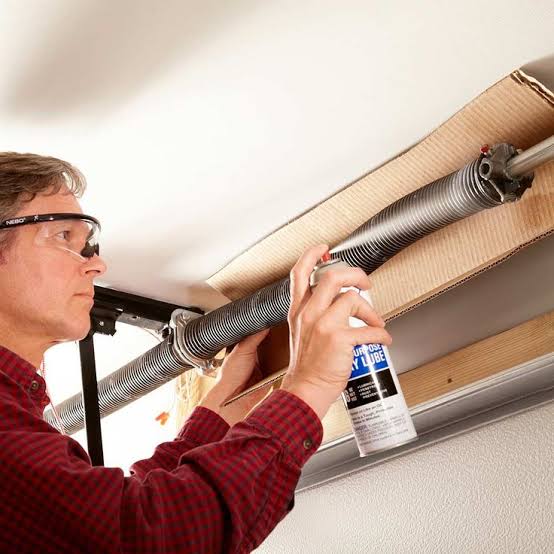
Before diving into costs, let’s understand what we’re dealing with. A torsion spring is a tightly wound metal coil mounted above your garage door opening. It counterbalances the weight of the door, making it easy to open and close manually or with an opener.
When this spring breaks or wears out, your garage door becomes dangerously heavy and difficult to operate. According to the International Door Association, torsion springs typically last between 15,000 to 20,000 cycles (one cycle = one open and one close). For an average household using their garage door twice daily, that translates to roughly 7–10 years of service life.
How Much Does It Cost to Replace a Torsion Spring?
The big question: how much to replace torsion spring on garage door? The answer depends on several factors, but here’s a realistic breakdown for 2026:
Average Cost Range
| Service Type | Average Cost | Notes |
|---|---|---|
| Single Spring Replacement | $150 – $350 | Most common scenario |
| Dual Spring Replacement | $250 – $500 | Recommended for balanced wear |
| Emergency/After-Hours Service | $400 – $600+ | Weekend or night calls |
| Full System Inspection + Repair | $100 – $200 | Often bundled with spring replacement |
Note: Prices vary by region, door size, and spring type.
Factors That Influence Cost
Several variables affect your final bill:
- Spring type and size: Heavier doors require stronger, more expensive springs
- Number of springs: Many modern doors use dual springs for better balance
- Labor rates: Urban areas typically charge more than rural locations
- Brand and quality: Premium brands like Wayne Dalton or DuraTorq cost more but last longer
- Additional repairs: Cables, rollers, or brackets may need replacement too
Should You Replace One Spring or Both?
This is a critical decision many homeowners overlook. Here’s the expert consensus:
Replace Both Springs If:
- Your door has dual springs and one has broken
- The remaining spring is older than 5 years
- You want to avoid another service call in 6–12 months
Replace Only One Spring If:
- Your door uses a single spring system
- The other spring is relatively new (less than 2 years old)
- Budget constraints are immediate and severe
Pro Tip: Even if only one spring breaks, replacing both ensures balanced tension and prevents premature failure of the new spring. Most professionals recommend dual replacement for long-term savings.
DIY vs. Professional Replacement: Which Is Safer?
Let’s address the elephant in the room: Can you replace a torsion spring yourself?
The Risks of DIY Torsion Spring Replacement
Torsion springs store enormous kinetic energy—enough to cause serious injury or death if handled incorrectly. The Consumer Product Safety Commission (CPSC) reports hundreds of garage door-related injuries annually, many involving spring failures during amateur repairs.
Dangers include:
- Spring snapping back with lethal force
- Improper winding leading to door collapse
- Incorrect tension causing opener damage
When to Call a Professional
Hire a licensed technician if:
- You’ve never worked with torsion springs before
- Your door weighs over 150 pounds
- You lack proper tools (winding bars, vice grips, safety glasses)
- The spring broke while the door was partially open
Cost Comparison: DIY vs. Pro
| Approach | Cost | Risk Level | Time Required |
|---|---|---|---|
| DIY Replacement | $50 – $150 (parts only) | High | 2–4 hours |
| Professional Service | $150 – $500 | Low | 1–2 hours |
While DIY saves money upfront, the risk-to-reward ratio heavily favors professional installation for most homeowners.
Step-by-Step: What Happens During Professional Replacement?
Understanding the process helps you evaluate service quotes. Here’s what a typical professional replacement involves:
- Safety inspection: Technician checks cables, rollers, tracks, and opener
- Door securing: The door is locked in place using clamps or vice grips
- Spring unwinding: Old spring is carefully released using winding bars
- Removal: Broken spring and hardware are taken off
- New spring installation: Correct size and wind direction are verified
- Winding: Spring is tensioned to match door weight (typically 7–8 full turns)
- Testing: Door is operated multiple times to ensure smooth function
- Lubrication: Moving parts are greased for longevity
The entire process usually takes 60–90 minutes for an experienced technician.
How to Extend the Life of Your New Torsion Spring
Maximize your investment with these maintenance tips:
- Lubricate quarterly: Use silicone-based spray on springs, cables, and rollers
- Visual inspections: Check for rust, gaps, or deformation monthly
- Balance test: Disconnect the opener and manually lift the door halfway—it should stay in place
- Avoid slamming: Gentle operation reduces stress on springs
- Annual professional tune-up: $75–$125 well spent for early problem detection
With proper care, your new torsion spring should last 7–12 years.
FAQ: Common Questions About Torsion Spring Replacement
Q1: How do I know if my torsion spring is broken?
A: Look for these signs: a visible gap in the spring coil, loud “bang” noise when it broke, door feeling extremely heavy, or the opener struggling to lift the door. Sometimes you’ll see the spring hanging loosely above the door.
Q2: Can a broken torsion spring damage my garage door opener?
A: Yes. When a spring breaks, the opener must lift the full weight of the door (often 200–400 pounds), which can burn out the motor or strip gears. If your spring broke recently, have your opener inspected too.
Q3: Is it cheaper to replace extension springs instead of torsion springs?
A: Extension springs (mounted on both sides of the track) typically cost $50–$150 to replace, slightly less than torsion springs. However, torsion systems are safer, smoother, and last longer. Conversion from extension to torsion costs $300–$600 but is worth considering for older doors.
Q4: How long does a torsion spring replacement take?
A: A professional technician can complete the job in 1–2 hours. DIY attempts often take 3–5 hours for first-timers and carry significant safety risks.
Q5: Do I need a permit to replace a garage door spring?
A: No permit is required for spring replacement in most U.S. jurisdictions. However, some cities require licensed contractors for any garage door work. Check local regulations if unsure.
Q6: What warranty should I expect on a new torsion spring?
A: Quality springs come with 1–5 year warranties on parts. Labor warranties vary by company (30 days to 1 year). Always ask for written warranty details before hiring.
Final Thoughts: Invest in Safety and Peace of Mind
So, how much to replace torsion spring on garage door? Expect to pay $150–$500 depending on your specific situation. While DIY might seem tempting, the safety risks and potential for costly mistakes make professional service the smarter choice for most homeowners.
Remember: your garage door is the largest moving object in your home. Properly functioning springs aren’t just about convenience—they’re about safety. Don’t cut corners on this critical component.
If this guide helped you understand torsion spring replacement costs, share it with friends or neighbors who might be facing the same issue. A little knowledge can prevent dangerous DIY attempts and save everyone money in the long run!
Stay safe, stay informed, and keep that garage door running smoothly.
Leave a Reply