Replacing a broken garage door spring is an urgent home repair that can leave your vehicle trapped inside or your home vulnerable. If you are staring at a door that won’t budge, you are likely wondering how much to replace the springs on a garage door without getting overcharged by contractors. This guide breaks down the current market rates, safety considerations, and DIY feasibility to help you make an informed decision quickly.
Understanding the Two Main Types of Garage Door Springs
Before discussing costs, it is crucial to identify which type of spring system your garage uses. The price difference between the two is significant due to the complexity of installation and the parts themselves.
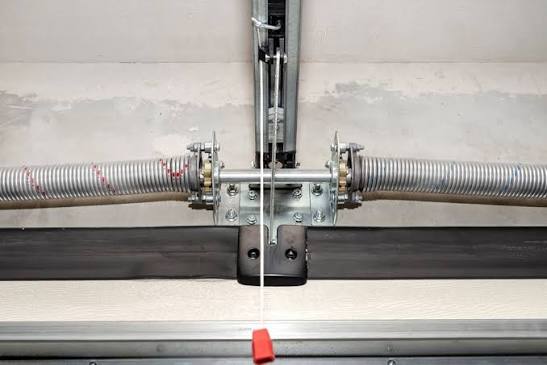
Torsion Springs
Torsion springs are mounted horizontally above the garage door opening on a metal shaft. They are the most common type in modern homes because they are durable, balanced, and safer than older models. These springs work by twisting (torque) to lift the heavy door. Because they operate under extreme tension, they require specialized tools for replacement.
Extension Springs
Extension springs are located on both sides of the door, running parallel to the horizontal tracks. They stretch out to provide lifting force. While generally cheaper to buy, they are less durable and considered more dangerous if they snap, as they can fly across the garage. Many homeowners choose to convert from extension to torsion systems during replacement for better long-term value.
Average Cost Breakdown: Parts vs. Labor
When calculating how much to replace the springs on a garage door, you must separate the cost of materials from the labor. Most homeowners hire professionals due to the high risk of injury associated with high-tension springs.
| Cost Component | Torsion Springs | Extension Springs |
|---|---|---|
| Parts Only (DIY) | $50 – $150 per pair | $30 – $80 per pair |
| Professional Labor | $150 – $300 | $100 – $200 |
| Total Average Cost | $200 – $450 | $130 – $280 |
Note: Prices vary based on geographic location, door weight, and spring cycle rating.
Why Labor Costs Are High
You might wonder why labor often costs more than the parts. Replacing garage door springs is not a standard handyman task. It requires specific winding bars, clamping tools, and knowledge of torque calculations. A professional technician typically completes the job in 1–2 hours, but their rate reflects the liability insurance and specialized training required to handle springs under hundreds of pounds of tension.
Factors That Influence Replacement Prices
Several variables can cause the final bill to fluctuate. Understanding these factors helps you anticipate the quote you receive from local service providers.
1. Spring Cycle Life
Springs are rated by “cycles,” where one cycle equals one full open-and-close motion.
- Standard Cycles (10,000 cycles): Cheaper upfront but may need replacement every 3–5 years with average use.
- High-Cycle Springs (25,000+ cycles): Cost 20–30% more but can last 7–10 years. For most homeowners, investing in high-cycle springs is more cost-effective in the long run.
2. Number of Springs
Single-car garage doors usually have one torsion spring or two extension springs. Double-car garage doors often require two torsion springs to balance the heavier weight. Naturally, replacing two springs will double the parts cost and slightly increase labor time.
3. Geographic Location
Labor rates in urban areas like New York City or San Francisco are significantly higher than in rural Midwest towns. Always get three local quotes to ensure you are paying a fair regional rate.
4. Additional Repairs
Often, when a spring breaks, it damages other components. Technicians may recommend replacing worn-out cables, rollers, or hinges at the same time. While this increases the immediate cost, it prevents future service calls.
DIY vs. Professional Replacement: Is It Worth the Risk?
This is the most critical decision you will make. While DIY tutorials are abundant online, the reality of garage door spring replacement is starkly different from changing a lightbulb.
The Dangers of DIY
Garage door torsion springs are under immense tension. If a winding bar slips or a clamp fails, the spring can release energy explosively. This can cause:
- Severe hand or finger injuries.
- Damage to property or vehicles.
- Fatal accidents in rare but documented cases.
According to safety data, garage door springs are among the most dangerous household components to repair without training. The Consumer Product Safety Commission frequently issues warnings regarding garage door maintenance hazards.
When to Call a Pro
You should strictly hire a professional if:
- You do not own winding bars and vice grips.
- Your door uses torsion springs.
- You are unsure about the correct wire size and length.
- You value your physical safety over saving $100–$150.
When DIY Might Be Feasible
DIY is only recommended for experienced handymen dealing with extension springs. Even then, you must use safety cables (which run through the center of the spring) to prevent whiplash if the spring snaps. If you choose this route, ensure you have a helper and follow manufacturer instructions meticulously.
Step-by-Step Overview of Professional Replacement
Understanding what a professional does can help you verify the quality of work performed. Here is a simplified overview of the process:
- Disengage the Opener: The technician pulls the emergency release cord to disconnect the automatic opener, allowing manual movement.
- Secure the Door: The door is clamped in the open position to prevent it from falling.
- Release Tension: Using winding bars, the technician carefully unwinds the old torsion springs to release stored energy. This is the most dangerous step.
- Remove Old Springs: The broken springs are unhooked and removed from the torsion tube.
- Install New Springs: New springs are placed on the tube. The technician must match the exact wire size, length, and inner diameter of the old springs.
- Wind the Springs: The technician winds the new springs to the precise number of turns required to balance the door’s weight.
- Test Balance: The door is manually lifted halfway. If it stays in place, the balance is correct. If it falls or rises, adjustments are made.
Signs Your Garage Door Springs Need Replacement
Don’t wait for a loud bang to address spring issues. Look for these early warning signs:
- Loud Noise: A sound similar to a gunshot or firecracker indicates a spring has snapped.
- Door Won’t Open: The opener motor hums, but the door only moves a few inches.
- Uneven Movement: One side of the door hangs lower than the other.
- Visible Gaps: In torsion springs, look for a visible gap in the coil where the metal has fractured.
- Age: If your springs are older than 7 years, consider proactive replacement even if they haven’t broken yet.
Frequently Asked Questions (FAQ)
How long do garage door springs last?
On average, garage door springs last between 7 to 10 years, depending on usage frequency and climate. Standard springs are rated for 10,000 cycles, while high-quality ones can last up to 25,000 cycles. Humid or salty air can accelerate corrosion and reduce lifespan.
Can I replace just one torsion spring?
If your garage door has two torsion springs, it is highly recommended to replace both at the same time. Since they were installed at the same time and have undergone the same wear, the second spring is likely near failure. Replacing both saves you from paying for a second service call shortly after the first.
Is it safe to drive my car out if the spring is broken?
No. Do not attempt to force the door open. A broken spring means the door is extremely heavy. Trying to lift it manually can cause further damage to the tracks, rollers, or opener, and poses a serious crushing hazard. Keep the door closed and call a technician.
Does homeowners insurance cover broken garage door springs?
Generally, no. Homeowners insurance covers sudden and accidental damage from covered perils (like storms or fire). Broken springs are considered “wear and tear” or mechanical failure, which is typically excluded from coverage. However, if a storm caused the breakage, you might have a claim. Check your policy details.
What is the difference between galvanized and oil-tempered springs?
Oil-tempered springs are the standard industry choice, offering good durability and flexibility. Galvanized springs are coated to resist rust, making them ideal for coastal areas or humid climates. While galvanized springs cost slightly more, they prevent premature failure due to corrosion.
Conclusion
Knowing how much to replace the springs on a garage door empowers you to budget effectively and avoid scams. With total costs ranging from $130 to $450 depending on the type and labor, this repair is a significant but necessary investment in your home’s security and convenience.
While DIY options exist for extension springs, the risks associated with torsion springs make professional installation the wisest choice for most homeowners. Prioritize high-cycle springs for longevity and always ask for a warranty on both parts and labor.
Did you find this cost guide helpful? Share this article with your neighbors or on social media to help others navigate garage door repairs safely and affordably!
Leave a Reply