Introduction
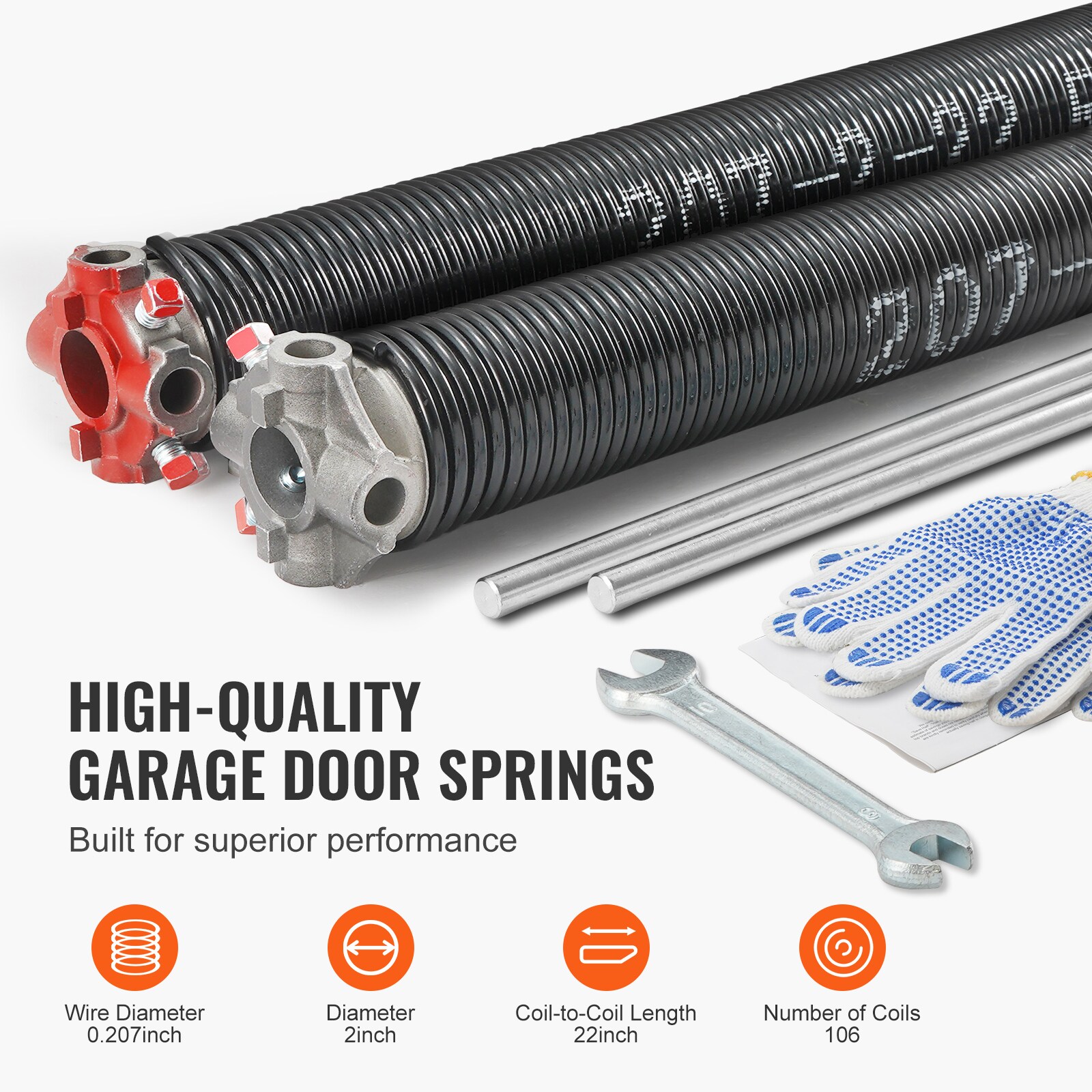
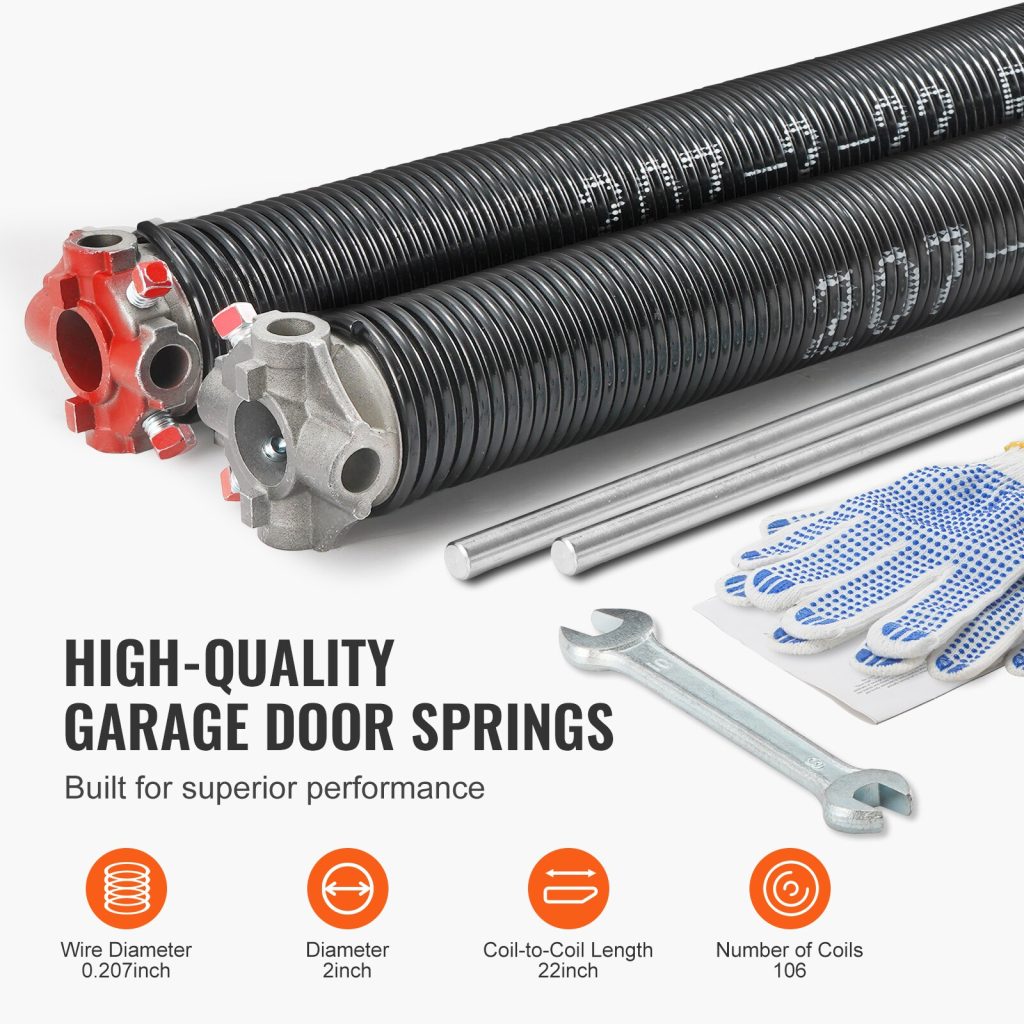
Is your garage door struggling to open or making loud noises? You might need new garage door torsion springs 207 x 2 x 20. These specific springs are crucial for balancing your door’s weight, ensuring smooth operation, and preventing premature wear on your opener. Understanding the right specifications can save you time, money, and potential safety hazards.
What Does “207 X 2 X 20” Mean?
Before purchasing or installing, it’s essential to decode what these numbers represent. Misinterpreting them can lead to buying the wrong spring, which won’t balance your door correctly.
- 207: This refers to the length of the spring in inches. A 207-inch spring is quite long and typically used for wider or heavier double-car garage doors.
- 2: This indicates the wire size (diameter) in inches. A 2-inch wire diameter is unusually large for standard residential torsion springs. Note: Standard wire sizes are usually measured in fractions of an inch (e.g., 0.250″, 0.262″). It is highly likely that “2” here refers to a 2-inch inside diameter (ID) of the spring coil, not the wire thickness. Always verify this with a caliper.
- 20: This usually represents the number of quarters or sometimes the total turns required for proper tensioning. However, in many commercial listings, this number can also refer to the cycle life (e.g., 20,000 cycles) or a specific manufacturer’s code. Clarifying this with the supplier is critical.
Important: Always measure your existing spring carefully before ordering. Use a tape measure for length and a caliper for wire size and inside diameter.
Why Choosing the Right Torsion Spring Matters
Using incorrect torsion springs can lead to several issues:
- Door Imbalance: The door may slam shut or refuse to stay open.
- Opener Strain: Your garage door opener will work harder, leading to early failure.
- Safety Risks: Improperly balanced doors can fall unexpectedly, posing serious injury risks.
- Premature Wear: Cables, rollers, and hinges wear out faster when the door isn’t properly balanced.
According to the International Door Association (IDA), improper spring tension is one of the leading causes of garage door malfunctions and safety incidents.
How to Measure Your Existing Torsion Spring
If you’re replacing an old spring, accurate measurement is key. Here’s how to do it safely:
- Ensure Safety: Disconnect the garage door opener and secure the door in the fully closed position. Never attempt to measure a spring under tension.
- Measure Length: Use a tape measure to determine the overall length of the spring from end to end (excluding the cones). This should be close to 207 inches.
- Measure Wire Size: Use a caliper to measure the diameter of the wire itself. Record this precisely (e.g., 0.250 inches).
- Measure Inside Diameter (ID): Measure the inside width of the coiled spring. This is likely the “2” in your specification, meaning a 2-inch ID.
- Count Turns (if applicable): If replacing, note how many quarter-turns were on the old spring when properly tensioned. This helps in setting the new spring correctly.
Step-by-Step Replacement Guide (For Professionals)
Warning: Replacing torsion springs is extremely dangerous due to high tension. It is strongly recommended to hire a licensed professional. If you proceed, use proper winding bars and safety gear.
- Release Tension: Insert winding bars into the winding cone and slowly release the tension from the old spring. Do this cautiously, one quarter-turn at a time.
- Remove Old Spring: Once tension is fully released, unbolt the spring from the center bracket and remove it from the torsion tube.
- Install New Spring: Slide the new garage door torsion springs 207 x 2 x 20 onto the torsion tube. Ensure the stationary cone is secured to the center bracket.
- Attach Winding Cone: Secure the winding cone to the end of the spring.
- Wind the Spring: Using two winding bars, wind the spring to the required number of turns. Refer to the manufacturer’s specifications for the exact number of turns based on your door’s height and weight. For a 207-inch spring, this could be significantly more than standard springs.
- Test Balance: Reconnect the opener and test the door. It should stay in place when opened halfway. Adjust tension if necessary.
Common Mistakes to Avoid
| Mistake | Consequence | Solution |
|---|---|---|
| Incorrect Wire Size | Door imbalance, opener strain | Measure wire diameter precisely with a caliper |
| Wrong Length | Spring doesn’t fit or provide enough lift | Verify length excluding cones |
| Improper Tension | Door slams or won’t close | Follow manufacturer’s turn count guidelines |
| Ignoring Safety | Serious injury or death | Hire a professional or use proper tools and caution |
Where to Buy Quality Torsion Springs
When purchasing garage door torsion springs 207 x 2 x 20, consider these factors:
- Reputation: Choose established suppliers with positive reviews.
- Specifications Match: Ensure the spring matches your measured dimensions exactly.
- Cycle Life: Look for springs rated for at least 10,000–20,000 cycles for longevity.
- Warranty: Check for warranties against defects.
For more information on garage door components and standards, you can refer to Wikipedia’s page on Garage Doors.
FAQ Section
Q1: Can I replace just one torsion spring if I have two?
A: It’s generally recommended to replace both springs simultaneously, even if only one is broken. Since they’ve endured the same usage, the second spring is likely near failure too. Replacing both ensures balanced performance and prevents future immediate repairs.
Q2: How long do torsion springs last?
A: Most residential torsion springs are rated for 10,000 to 20,000 cycles (one cycle = one open and one close). With average use (3–4 times daily), this translates to 7–10 years. Higher-cycle springs last longer but cost more.
Q3: Is it safe to replace torsion springs myself?
A: No, it is not considered safe for DIYers without specialized training and tools. Torsion springs store immense energy. Incorrect handling can cause severe injury or property damage. Always hire a certified garage door technician.
Q4: What if my door still doesn’t balance after replacing the spring?
A: Check if the correct number of turns was applied. Also, inspect cables, drums, and rollers for wear or damage. If problems persist, consult a professional to diagnose potential issues with the door’s weight distribution or opener settings.
Q5: Are “207 x 2 x 20” springs standard?
A: While 207-inch lengths are common for wider doors, the “2” (likely 2-inch ID) and “20” (turns or code) vary by manufacturer. Always confirm exact specifications with your supplier or a professional to ensure compatibility.
Conclusion
Choosing the right garage door torsion springs 207 x 2 x 20 is vital for safe, efficient, and long-lasting garage door operation. By understanding the specifications, measuring accurately, and prioritizing safety, you can ensure your door functions smoothly. Remember, when in doubt, always consult a professional. Share this guide with friends or family who might be facing similar garage door issues!
Leave a Reply