Replacing a broken garage door spring can feel like an unexpected emergency that disrupts your daily routine. You just want your door working safely and smoothly again without breaking the bank. If you are asking how much to replace tension spring on garage door, you are in the right place to find clear, honest answers.
Garage door springs are the heavy-lifting heroes of your garage system. They counterbalance the weight of the door, making it easy to open and close with minimal effort. When they snap, the door becomes dead weight—dangerous and impossible to operate manually. Understanding the costs involved helps you make informed decisions quickly, whether you choose to hire a pro or attempt a careful DIY fix.
What Is The Average Cost To Replace A Garage Door Tension Spring?
The national average cost to replace a garage door tension spring typically ranges between $150 and $350 for parts and labor. However, this price can fluctuate based on several factors, including your location, the type of spring, and the complexity of the installation.
For a standard single-car garage door, you might pay on the lower end of that spectrum. Double-car doors or heavier custom doors often require stronger, more expensive springs, pushing the cost toward $400 or more. It is important to note that most professionals recommend replacing both springs at the same time, even if only one has broken. This ensures balanced tension and prevents the second old spring from failing shortly after.
| Service Type | Average Cost Range | Notes |
|---|---|---|
| Single Spring Replacement | $150 – $250 | Not recommended due to imbalance risk |
| Dual Spring Replacement | $250 – $350 | Industry standard for longevity |
| High-Cycle Spring Upgrade | $300 – $450 | Lasts 2-3x longer than standard |
| Emergency/After-Hours Service | $400 – $600+ | Includes premium service fees |
According to industry data, labor usually accounts for about 50-60% of the total bill. The springs themselves are relatively inexpensive, but the skill and risk involved in handling high-tension systems justify the professional labor rates.
Torsion Springs Vs. Extension Springs: Which Do You Have?
Before getting a quote, it helps to know which type of “tension” spring your door uses. While both serve the same purpose, they are installed differently and have different price points.
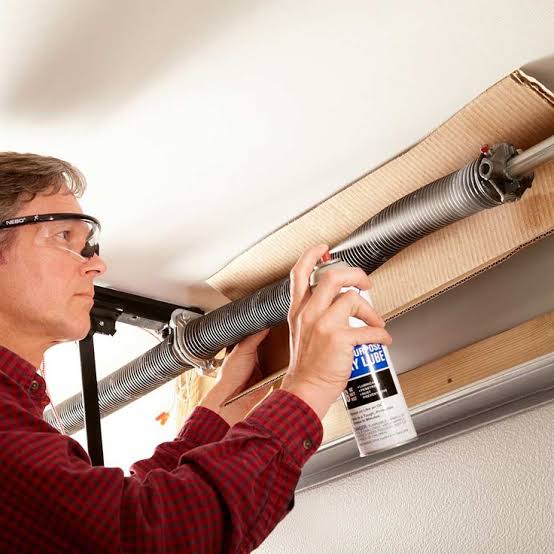
Torsion springs are mounted horizontally above the closed garage door on a metal shaft. They twist (torque) to store energy. These are common in modern homes because they are safer, quieter, and last longer. Replacing torsion springs is generally more expensive due to the complexity of the winding process.
Extension springs run parallel to the horizontal tracks on both sides of the door. They stretch to provide lifting force. These are often found in older installations or lighter doors. While the parts are cheaper, they can be dangerous if they snap violently, which is why safety cables are mandatory.
If you are unsure, look above your door. If you see a thick metal rod with coils wrapped around it, you have torsion springs. If you see long springs stretching along the side tracks, you have extension springs. For more detailed technical distinctions, you can refer to the general mechanics overview on Wikipedia.
Factors That Influence Garage Door Spring Replacement Prices
Several variables can cause the final bill to vary. Understanding these can help you budget accurately and avoid surprises.
- Spring Cycle Life: Standard springs are rated for 10,000 cycles (one open and one close equals one cycle). High-cycle springs rated for 25,000 or 50,000 cycles cost more upfront but last significantly longer. If you plan to stay in your home for many years, upgrading is wise.
- Door Weight and Size: Heavier wooden doors or insulated steel doors require thicker gauge wires and larger diameter springs. These materials cost more than those for lightweight aluminum doors.
- Geographic Location: Labor rates in major metropolitan areas like New York or San Francisco are higher than in rural regions. Expect to pay 20-30% more in high-cost-of-living areas.
- Additional Repairs: Often, when a spring breaks, it damages other components like cables, rollers, or pulleys. A technician may recommend replacing these worn parts simultaneously, adding $50-$150 to the total.
Is It Safe To Replace Garage Door Springs Yourself?
This is the most critical question homeowners ask. The short answer is: It depends on the spring type, but caution is paramount.
Extension springs are somewhat easier for experienced DIYers to replace, provided safety cables are installed. However, torsion springs are under extreme tension—enough to cause severe injury or death if handled incorrectly. The winding bars used to adjust them can slip, turning into dangerous projectiles.
If you choose the DIY route for torsion springs, you must:
- Use proper steel winding bars (never screwdrivers).
- Wear safety goggles and heavy gloves.
- Follow the manufacturer’s instructions exactly regarding the number of quarter-turns.
- Ensure the door is securely clamped in the open position before starting.
For most homeowners, hiring a licensed professional is the safest and most reliable option. They have the specialized tools and insurance to handle accidents. Remember, saving $100 is not worth risking your health.
How Long Do Garage Door Tension Springs Last?
Understanding the lifespan of your springs can help you predict when replacement is needed. On average, garage door springs last between 7 to 9 years with normal use.
However, this lifespan is measured in cycles, not just years. If you use your garage door multiple times a day, your springs will wear out faster. Climate also plays a role; humid or salty air can accelerate rust and corrosion, weakening the metal over time.
Signs that your springs are nearing the end of their life include:
- A loud “bang” noise from the garage.
- The door feels heavier than usual when opening manually.
- Visible gaps in the spring coils.
- The door does not close all the way or reverses unexpectedly.
Regular maintenance, such as lubricating the springs with silicone-based spray every six months, can help extend their life slightly, but it cannot prevent eventual metal fatigue.
FAQ Section
Q: Can I replace just one garage door spring?
A: It is strongly recommended to replace both springs at the same time. Since both springs have endured the same amount of wear and tear, the remaining old spring is likely to fail soon. Replacing both ensures balanced operation and saves you from another service call in the near future.
Q: Why is my garage door spring breaking so often?
A: Frequent breakage may indicate incorrect spring sizing, poor installation, or lack of maintenance. It could also mean your door is heavier than the springs were designed to handle. A professional can assess if you need higher-cycle springs or if other components are causing excess strain.
Q: Does homeowners insurance cover broken garage door springs?
A: Typically, no. Homeowners insurance considers spring breakage as normal wear and tear, which is excluded from coverage. However, if the spring broke due to a covered peril like a storm or vandalism, it might be covered. Check your specific policy details.
Q: How long does it take to replace a garage door spring?
A: A professional technician can usually replace a pair of torsion springs in 30 to 60 minutes. DIY replacement may take several hours for first-timers, especially if troubleshooting is required.
Q: What is the difference between oil-tempered and galvanized springs?
A: Oil-tempered springs are the standard black springs found in most homes. Galvanized springs are coated to resist rust and corrosion, making them ideal for coastal or humid environments. They cost slightly more but offer better durability in harsh conditions.
Conclusion
Knowing how much to replace tension spring on garage door empowers you to handle this common household issue with confidence. With average costs ranging from $150 to $350, it is a manageable repair that restores safety and convenience to your home.
Remember, while DIY is possible for the brave and skilled, professional installation offers peace of mind and warranty protection. Don’t wait until the second spring snaps—address the issue promptly to avoid further damage to your garage door opener or tracks.
If you found this guide helpful, please share it with your neighbors or on social media. Helping others understand garage door maintenance keeps our communities safe and informed!
Leave a Reply