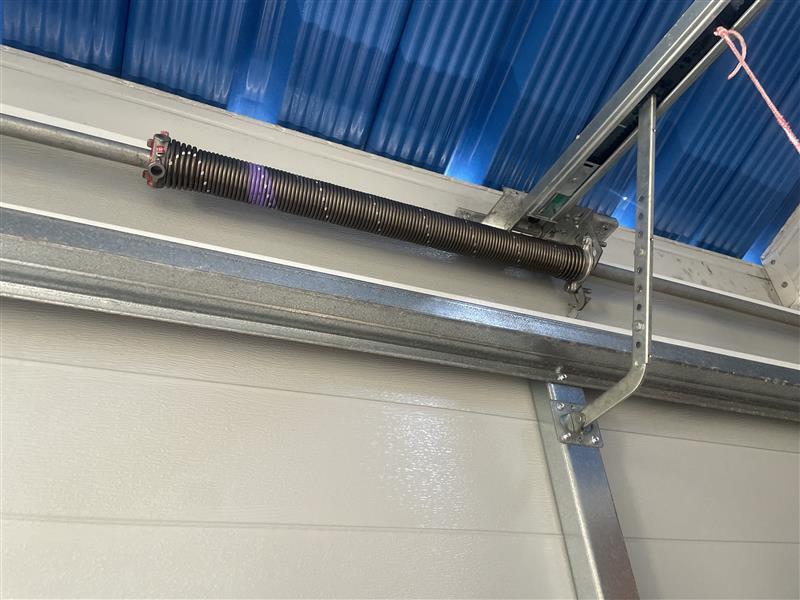
Replacing a broken garage door spring is one of the most stressful home maintenance issues you can face. It leaves your car trapped inside and your home vulnerable, creating an urgent need for a quick and affordable solution. If you are wondering how much to replace a spring on garage door, you are in the right place to find clear, up-to-date answers.
Understanding the Cost Breakdown
The cost to replace a garage door spring varies significantly based on the type of spring, your location, and whether you hire a professional or attempt a DIY fix. On average, homeowners in the United States spend between $150 and $350 for a single spring replacement, including parts and labor. For a pair of springs, the price typically ranges from $250 to $500.
Several factors influence this final bill:
- Type of Spring: Torsion springs are generally more expensive than extension springs due to their complexity and durability.
- Labor Rates: Professional technicians charge anywhere from $75 to $150 per hour, depending on your region.
- Emergency Fees: If you need service on weekends, holidays, or after hours, expect to pay an additional $50–$100.
- Door Weight: Heavier doors require stronger, more expensive springs.
| Cost Component | Average Price Range |
|---|---|
| Single Torsion Spring (Part) | $40 – $100 |
| Pair of Torsion Springs (Parts) | $80 – $200 |
| Extension Spring (Each) | $20 – $50 |
| Labor Cost | $75 – $150 |
| Total Average Cost | $150 – $350 |
Torsion Springs vs. Extension Springs: Which Is More Expensive?
One of the first questions homeowners ask is about the difference in price between the two main types of garage door springs. Understanding this distinction is crucial for budgeting your repair.
Torsion springs are mounted horizontally above the garage door opening. They are known for their longevity, often lasting 15,000 to 20,000 cycles (one cycle is one open-and-close operation). Because they are under high tension and require specialized tools for installation, the labor cost is higher. However, their durability means you won’t need to replace them as often.
Extension springs, on the other hand, run parallel to the horizontal tracks on either side of the door. They are cheaper upfront, with parts costing as little as $20 each. However, they have a shorter lifespan (around 10,000 cycles) and are considered less safe because they can snap violently if they fail. While the initial garage door spring replacement cost is lower for extension springs, the long-term value often favors torsion springs.
For a deeper technical understanding of how these mechanisms work, you can refer to the detailed engineering principles outlined on Wikipedia’s Garage Door page.
Why Do Garage Door Springs Break?
Garage door springs are under immense tension every time you operate your door. Over time, metal fatigue sets in, leading to breakage. Here are the most common reasons why springs fail:
- Normal Wear and Tear: This is the most common cause. Most standard springs are rated for 10,000 cycles. If you use your garage door twice a day, a 10,000-cycle spring will last roughly 13 years.
- Lack of Lubrication: Friction generates heat and accelerates wear. Without regular lubrication using a silicone-based spray, the coils can rub against each other, weakening the metal.
- Temperature Fluctuations: Extreme cold makes metal brittle, while extreme heat can cause it to expand and lose tension. Regions with significant seasonal changes often see higher rates of spring failure.
- Poor Installation: If a spring was previously installed incorrectly—such as being wound too tightly or loosely—it will fail prematurely.
DIY vs. Hiring a Professional: What’s the Real Cost?
Many homeowners consider replacing the spring themselves to save money. While a DIY approach might seem appealing, it comes with significant risks and hidden costs.
The DIY Route
- Cost: You only pay for the parts, which range from $30 to $100.
- Risk: Garage door springs store enough energy to cause severe injury or even death if handled incorrectly. According to the Consumer Product Safety Commission (CPSC), garage door-related injuries send thousands of people to emergency rooms annually.
- Tools Required: You need winding bars, vice grips, and a sturdy ladder. Buying these tools can add $50–$100 to your cost if you don’t already own them.
Hiring a Professional
- Cost: $150 to $350 on average.
- Benefits: Professionals have the right tools, insurance, and expertise to complete the job safely and quickly. They also often provide a warranty on both parts and labor, giving you peace of mind.
- Time Savings: A pro can replace a spring in 30–60 minutes, whereas a DIYer might spend half a day figuring out the process.
Verdict: Unless you have prior experience with high-tension mechanical systems, hiring a professional is strongly recommended. The potential medical costs from an accident far outweigh the savings from a DIY repair.
Signs Your Garage Door Spring Needs Replacement
How do you know if the spring is the problem? Look for these clear indicators:
- The Door Won’t Open: If the opener motor runs but the door doesn’t move, the spring has likely lost its tension or snapped.
- A Loud Bang: A broken spring often sounds like a gunshot or a loud firecracker.
- Visible Gap: Inspect the torsion spring above the door. If you see a visible gap in the coils, it is broken.
- Uneven Movement: If the door jerks or moves unevenly, one spring may be weaker than the other.
- Cables Are Loose: If the lift cables appear slack or disconnected from the bottom brackets, the spring is no longer providing counterbalance.
Step-by-Step: What to Expect During a Professional Repair
If you decide to hire a technician, here is what the process typically looks like:
- Inspection: The technician will inspect the springs, cables, rollers, and tracks to ensure no other components are damaged.
- Safety Release: They will disconnect the opener and secure the door to prevent accidental movement.
- Unwinding the Old Spring: Using winding bars, the tech will carefully release the tension from the broken spring. Note: This is the most dangerous part of the job.
- Removal and Replacement: The old spring is removed, and the new one is installed. If one spring breaks, it is often recommended to replace both, especially if they are the same age.
- Winding the New Spring: The new spring is wound to the correct number of turns based on the door’s weight and height.
- Testing: The door is tested manually and with the opener to ensure smooth, balanced operation.
FAQ Section
How long do garage door springs last?
Most standard garage door springs are rated for 10,000 cycles. With average use (2–4 times per day), this translates to 7–12 years. High-cycle springs can last up to 25,000 cycles or more.
Can I replace just one spring if only one is broken?
While you can replace just one, it is not recommended. If one spring has failed due to age, the other is likely near the end of its life as well. Replacing both ensures balanced operation and prevents another costly service call soon after.
Is it safe to use my garage door if the spring is broken?
No. Do not attempt to open or close the door manually if the spring is broken. The door will be extremely heavy and could fall suddenly, causing injury or property damage. Keep the door closed and call a professional.
Does homeowners insurance cover broken garage door springs?
Generally, no. Homeowners insurance covers sudden, accidental damage from events like storms or fires. Since spring breakage is considered normal wear and tear, it is typically excluded from coverage. However, if the spring broke due to a covered event (like a tree falling on it), you might have a claim.
How can I extend the life of my garage door springs?
Regular maintenance is key. Lubricate the springs with a silicone-based lubricant every six months. Avoid slamming the door shut, and keep the tracks clean and aligned. Annual professional inspections can also catch small issues before they become major problems.
Conclusion
Knowing how much to replace a spring on garage door helps you budget effectively and avoid overpaying for repairs. With average costs ranging from $150 to $350, hiring a professional is a worthwhile investment for safety and reliability. Remember, garage door springs are high-tension components that demand respect and expertise.
Don’t let a broken spring disrupt your day. Share this guide with friends and family who might benefit from these insights, and bookmark it for future reference. Stay safe, and keep your garage door running smoothly!
Leave a Reply