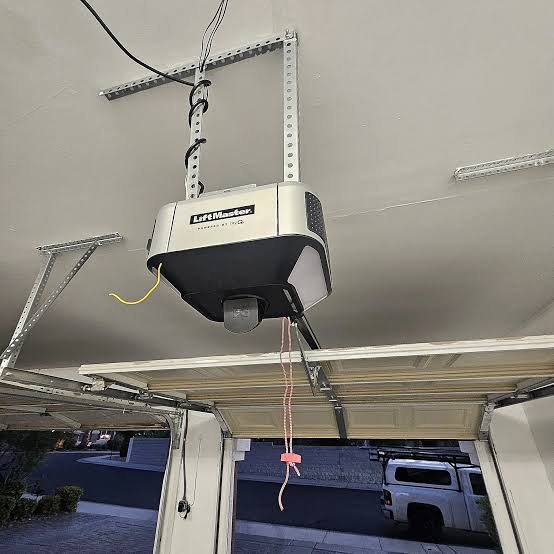
Introduction
Is your old garage door opener making strange noises, or did it finally give up the ghost? You are not alone. Thousands of US homeowners face this inconvenience every year, often wondering how much to have a garage door opener installed without breaking their budget. Understanding the true cost involves more than just the price tag on the box; it includes labor, additional hardware, and potential electrical upgrades. This guide will walk you through everything you need to know to make an informed decision.
Understanding the Average Cost Breakdown
When planning your budget, it is essential to look at the big picture. The total cost is rarely just one number. It is a combination of the unit itself, the labor required to install it, and any extra parts needed for a seamless fit.
On average, homeowners in the United States spend between $350 and $850 for a complete garage door opener installation. However, this range can vary significantly based on the type of opener, the complexity of your existing garage setup, and your geographic location.
| Cost Component | Estimated Price Range |
|---|---|
| Basic Chain-Drive Unit | $150 – $250 |
| Quiet Belt-Drive Unit | $250 – $400 |
| Premium Direct-Drive/Wi-Fi | $400 – $600+ |
| Professional Labor | $150 – $300 |
| Additional Hardware/Parts | $50 – $150 |
| Total Average Cost | $350 – $850 |
Note: Prices are estimates for 2026 and may vary by region.
Why Labor Costs Vary
Labor typically accounts for about 30–40% of the total bill. If your garage has high ceilings, requires new wiring, or needs structural reinforcement for the mounting bracket, expect to pay on the higher end of the spectrum. Simple replacements of existing units are usually cheaper because the infrastructure is already in place.
Factors That Influence Installation Prices
Several key variables determine the final invoice. Understanding these can help you negotiate better or choose a model that fits your financial plan.
1. Type of Drive Mechanism
The drive mechanism is the heart of the opener. There are three main types, each with different price points and benefits:
- Chain-Drive: The most affordable option. It uses a metal chain similar to a bicycle. While durable, it is notoriously noisy. Ideal for detached garages.
- Belt-Drive: Uses a rubber belt instead of a chain. It is significantly quieter and smoother but costs about 20–30% more than chain drives. Perfect for garages attached to living spaces.
- Direct-Drive/Screw-Drive: These have fewer moving parts and are very reliable. They sit in the middle regarding price and noise levels.
2. Horsepower (HP) Requirements
Not all garage doors are created equal. A standard single-car door might only need a ½ HP motor, which is the most common and affordable. However, if you have a heavy wooden double-car door or an insulated steel door, you may need a ¾ HP or even 1 HP motor. Higher horsepower units cost more upfront but ensure longevity and safer operation.
3. Smart Features and Connectivity
In 2026, smart home integration is no longer a luxury; it is an expectation. Openers with built-in Wi-Fi, battery backups, and smartphone app control command a premium. These features allow you to open your garage from anywhere, receive alerts if the door is left open, and integrate with voice assistants like Alexa or Google Home. Expect to pay an extra $50–$150 for these advanced capabilities.
4. Condition of Existing Infrastructure
If you are replacing an old opener, the installer may need to replace the rails, sensors, or remote controls. If your garage lacks a nearby electrical outlet, an electrician may need to be hired separately to install one, adding $100–$200 to the project.
DIY vs. Professional Installation: Is It Worth Saving Money?
Many handy homeowners consider installing the opener themselves to save on labor costs. While this is possible, it comes with risks.
The Case for DIY
- Cost Savings: You save $150–$300 in labor fees.
- Satisfaction: Completing a home improvement project feels rewarding.
- Flexibility: You can work on your own schedule.
The Case for Professional Installation
- Safety: Garage doors are under high tension. Incorrect installation can lead to serious injury or property damage.
- Warranty Protection: Many manufacturers void the warranty if the unit is not installed by a certified professional.
- Time Efficiency: A pro can finish the job in 2–3 hours, whereas a DIYer might take a whole weekend.
- Code Compliance: Professionals ensure the installation meets local building codes and safety standards, such as proper sensor alignment.
For most people, especially those dealing with heavy doors or complex wiring, professional installation is the safer and more reliable choice. The peace of mind is worth the extra cost.
Step-by-Step Overview of the Installation Process
Understanding what happens during installation can help you prepare and ensure the job is done correctly. Here is a typical workflow for a professional installer:
- Removal of Old Unit: The technician disconnects power and safely removes the old opener, rails, and hardware.
- Assembly of New Rails: The new rail system is assembled on the ground to ensure all parts fit together smoothly.
- Mounting the Bracket: A sturdy J-bracket is secured to the center of the garage door. This must be perfectly aligned to prevent wear and tear.
- Installing the Motor Unit: The motor is hung from the ceiling joists using vibration-isolating brackets to reduce noise.
- Connecting the Rail: The rail is attached to the motor and the door bracket. Tension is adjusted to ensure smooth movement.
- Electrical Wiring: The unit is plugged in, and safety sensors are installed near the floor on both sides of the door.
- Programming and Testing: Remotes and keypads are programmed. The technician tests the auto-reverse feature by placing an object in the door’s path to ensure it stops and reverses immediately.
For more detailed technical specifications on garage door safety standards, you can refer to Wikipedia’s entry on Garage Door Openers.
Hidden Costs to Watch Out For
Be aware of potential additional expenses that might not be included in the initial quote:
- Disposal Fees: Some companies charge $20–$50 to haul away your old opener.
- New Remote Controls: Additional remotes or keypad entries can cost $30–$60 each.
- Structural Reinforcement: If your ceiling joists are weak, additional bracing may be required.
- Permits: In some municipalities, a permit is required for electrical work, costing $50–$100.
Always ask for a detailed written estimate that includes all potential fees before work begins.
FAQ Section
Q1: How long does it take to install a garage door opener?
A professional installation typically takes 2 to 4 hours. This includes removing the old unit, assembling the new one, wiring, and testing. DIY installations can take 6–8 hours or more for first-timers.
Q2: Can I use my old remotes with a new opener?
In most cases, no. New openers use rolling code technology for security, which is incompatible with older remotes. You will likely need to purchase new remotes or a universal compatible kit.
Q3: Does installing a new opener increase home value?
While it may not drastically increase appraisal value, a modern, quiet, and smart-enabled garage door opener is a attractive feature for buyers. It signals that the home is well-maintained and up-to-date with current technology.
Q4: What is the lifespan of a garage door opener?
With regular maintenance, a quality garage door opener lasts 10 to 15 years. Chain-drive models may wear out faster due to friction, while belt-drive and direct-drive models often last longer.
Q5: Do I need a battery backup?
It is highly recommended, especially in areas prone to power outages. A battery backup allows you to open and close the door several times during a blackout. Most premium models now include this feature standard.
Conclusion
Knowing how much to have a garage door opener installed empowers you to make smart financial decisions for your home. With average costs ranging from $350 to $850, you can choose a model that fits your budget and needs. Whether you opt for a basic chain-drive or a sophisticated smart belt-drive, professional installation ensures safety, warranty validity, and peace of mind.
Don’t let a broken opener disrupt your daily routine. Take the time to compare quotes, check reviews, and choose a reputable installer. Your garage door is one of the most used entry points in your home—treat it with the care it deserves.
Found this guide helpful? Share it with your neighbors on Facebook or Twitter to help them navigate their next home improvement project!
Leave a Reply