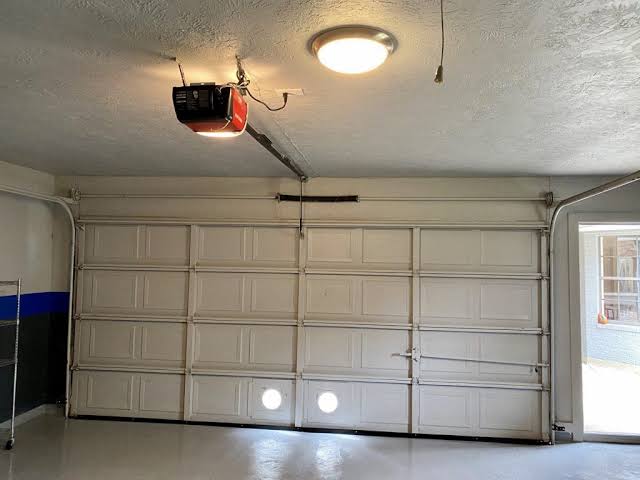
Is your old garage door opener making strange noises or failing to respond? You are not alone. Many homeowners face this frustration, but the biggest question is often how much to get a garage door opener installed. Understanding the costs upfront helps you budget effectively and avoid unexpected surprises.
Average Cost of Garage Door Opener Installation
The total cost to install a new garage door opener typically ranges between $350 and $650 for most standard residential models. This price includes both the unit itself and professional labor. However, prices can vary significantly based on the type of opener, the complexity of the installation, and your geographic location.
According to recent industry data, the national average sits around $450. For high-end smart openers with advanced security features, you might pay up to $800 or more. Conversely, a basic chain-drive model installed by a handyman could cost as little as $250.
| Opener Type | Average Unit Cost | Average Labor Cost | Total Estimated Cost |
|---|---|---|---|
| Chain-Drive | $150 – $250 | $100 – $200 | $250 – $450 |
| Belt-Drive | $250 – $350 | $100 – $200 | $350 – $550 |
| Screw-Drive | $200 – $300 | $100 – $200 | $300 – $500 |
| Smart/Wi-Fi | $300 – $500 | $150 – $250 | $450 – $750 |
Factors That Influence Installation Costs
Several key elements determine how much to get a garage door opener installed. Understanding these factors allows you to make informed decisions and potentially reduce expenses.
1. Type of Drive Mechanism
The drive mechanism is the heart of the opener. Chain-drive openers are the most affordable but also the noisiest. They are ideal for detached garages. Belt-drive models use rubber belts, offering quieter operation, which is perfect for garages attached to living spaces. Screw-drive openers have fewer moving parts and require less maintenance, striking a balance between cost and performance.
2. Horsepower (HP) Rating
Garage doors vary in weight and size. A standard single-car door usually requires a ½ HP motor. Double-car doors or heavy wooden doors may need a ¾ HP or even 1 HP motor. Higher horsepower units cost more but ensure smoother and longer-lasting operation.
3. Additional Features
Modern openers come with various features that impact price:
- Wi-Fi Connectivity: Allows control via smartphone apps.
- Battery Backup: Ensures operation during power outages.
- Security Codes: Rolling code technology prevents hacking.
- Lighting: LED lights with adjustable timers.
4. Labor and Professional Fees
Professional installation ensures safety and compliance with local codes. Labor costs typically range from $100 to $200. If additional electrical work is needed, such as installing a new outlet, expect an extra $50 to $150. Always hire licensed technicians to avoid voiding warranties or causing safety hazards.
DIY vs. Professional Installation: Which Is Better?
Many homeowners consider installing the opener themselves to save money. While DIY can save on labor costs, it comes with risks.
Pros of DIY Installation
- Cost Savings: You avoid paying $100–$200 in labor fees.
- Learning Experience: Great for those who enjoy hands-on projects.
- Flexibility: Work on your own schedule.
Cons of DIY Installation
- Safety Risks: Garage doors are heavy and under high tension. Incorrect installation can lead to serious injury.
- Warranty Voidance: Many manufacturers require professional installation to validate the warranty.
- Time-Consuming: Without experience, installation can take 4–6 hours or more.
- Potential Errors: Misalignment can cause premature wear or malfunction.
For most people, professional installation is recommended. The peace of mind and warranty protection often outweigh the initial savings. If you choose DIY, ensure you have the right tools and follow the manufacturer’s instructions meticulously.
Step-by-Step Overview of the Installation Process
Understanding what happens during installation can help you prepare. Here is a simplified overview of the professional process:
- Preparation: The technician inspects the existing garage door balance and springs. A poorly balanced door can damage the new opener.
- Assembly: The opener rail is assembled and attached to the motor unit.
- Mounting: The header bracket is secured above the door, and the motor unit is mounted to the ceiling joists using sturdy brackets.
- Connection: The rail is connected to the door trolley. Electrical wiring is connected to the power source and safety sensors.
- Programming: Remote controls and keypads are synced. Safety reverse mechanisms are tested to ensure the door stops if an obstacle is detected.
- Final Testing: The technician performs multiple open/close cycles to verify smooth operation and proper alignment.
Maintenance Tips to Extend Lifespan
Once installed, proper maintenance ensures your opener lasts 10–15 years. Here are essential tips:
- Lubricate Moving Parts: Apply silicone-based lubricant to chains, screws, or belts every six months. Avoid grease, which attracts dirt.
- Test Safety Sensors: Monthly, place an object in the door’s path. The door should reverse immediately upon contact.
- Tighten Hardware: Vibration can loosen bolts over time. Check and tighten all mounting brackets annually.
- Keep Tracks Clean: Wipe down metal tracks with a damp cloth to remove debris.
For more detailed information on garage door mechanics, you can refer to Wikipedia’s article on garage doors.
Frequently Asked Questions (FAQ)
Q1: How long does it take to install a garage door opener?
A professional installation typically takes 2 to 4 hours. DIY installations may take longer, especially for first-timers.
Q2: Can I install a new opener on an old garage door?
Yes, as long as the door is in good condition and properly balanced. If the door is damaged or the springs are worn, repair them before installing the new opener.
Q3: Do I need a special electrical outlet for the opener?
Most openers plug into a standard 120V outlet. Ensure the outlet is grounded and located near the ceiling mount. If no outlet exists, hire an electrician to install one.
Q4: What is the lifespan of a garage door opener?
With regular maintenance, most openers last 10 to 15 years. Belt-drive models often last longer due to less wear and tear.
Q5: Are smart garage door openers secure?
Yes, modern smart openers use encryption and rolling codes. Always update firmware and use strong passwords for associated apps to maintain security.
Q6: Does home insurance cover garage door opener installation?
Standard home insurance does not cover routine upgrades. However, if the opener is damaged due to a covered peril (like a storm), replacement costs may be partially covered. Check your policy details.
Conclusion
Knowing how much to get a garage door opener installed empowers you to make smart financial decisions. With average costs ranging from $350 to $650, you can choose a model that fits your budget and needs. Remember, investing in professional installation ensures safety, reliability, and warranty protection.
Don’t let a faulty opener disrupt your daily routine. Take action today by getting quotes from local professionals. If you found this guide helpful, please share it with friends and family on social media who might be facing the same dilemma!
Leave a Reply