Have you ever stood in your driveway, looked at your aging or broken garage door, and wondered if replacing it would break the bank? You are not alone. Many homeowners face this dilemma, balancing security and curb appeal with budget constraints. If you are asking, “How much should it cost to install a garage door?” you have come to the right place for clear, honest answers.
In this guide, we will break down the real costs involved in 2026, helping you make an informed decision without the stress of hidden fees or surprise charges.
What Is the Average Cost to Install a New Garage Door?
The short answer is that most homeowners spend between $1,200 and $4,500 for a complete garage door installation. However, this range can vary significantly depending on several factors.
According to recent industry data, the national average sits around $1,300 to $2,800 for a standard single-car garage door. For a double-car garage, expect to pay between $2,000 and $5,500.
Breakdown of Costs
To understand where your money goes, let’s look at the two main components:
- The Door Itself: This accounts for roughly 60–70% of the total cost. Prices vary by material, style, and insulation.
- Labor and Hardware: This includes the removal of the old door, installation of new tracks, springs, rollers, and the labor hours for professional technicians. Labor typically costs between $200 and $500.
Pro Tip: Always ask for an itemized quote. This ensures you know exactly what you are paying for the unit versus the service.
How Do Different Materials Affect the Price?
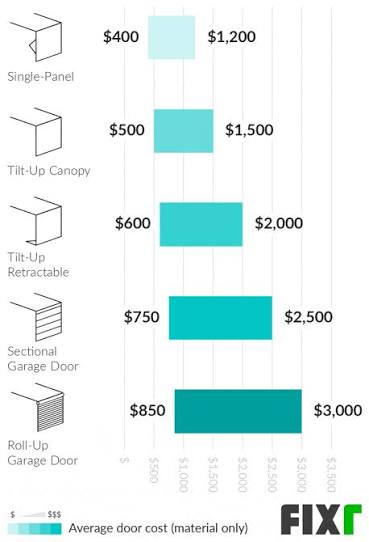
One of the biggest drivers of cost is the material you choose. Each option offers different benefits in terms of durability, maintenance, and aesthetics.
| Material | Average Cost (Door Only) | Pros | Cons |
|---|---|---|---|
| Steel | $800 – $2,500 | Durable, low maintenance, affordable | Can dent easily, may rust if scratched |
| Aluminum | $1,000 – $3,000 | Rust-resistant, lightweight, modern look | Dents easily, less insulating |
| Wood | $2,000 – $5,000+ | Beautiful, classic aesthetic, high curb appeal | High maintenance, prone to warping/rot |
| Fiberglass | $1,500 – $3,500 | Resists dents, mimics wood grain | Can crack in extreme cold, fades over time |
| Vinyl | $1,200 – $3,000 | Extremely durable, never rusts or rots | Limited color options, heavy |
Note: Prices include standard sizes. Custom sizes or high-end finishes will increase these figures.
If you are looking for a balance between cost and durability, steel doors remain the most popular choice in the US market. They offer excellent value and can be insulated to improve energy efficiency. For those prioritizing aesthetics and willing to invest in upkeep, wood doors provide unmatched charm but require regular staining or painting.
Does Insulation Impact the Installation Cost?
Yes, insulation plays a crucial role in both the upfront cost and long-term savings. Garage doors are rated by their R-value, which measures thermal resistance. The higher the R-value, the better the insulation.
- Non-Insulated (R-0 to R-4): These are the cheapest options, often found in detached garages or mild climates. They add minimal weight and cost.
- Partially Insulated (R-6 to R-9): These doors have a layer of polystyrene foam. They offer moderate temperature control and noise reduction.
- Fully Insulated (R-12 to R-18+): These feature polyurethane foam injected between steel layers. They are heavier, more expensive, but provide superior energy efficiency and durability.
Why does this matter? If your garage is attached to your home, an insulated door can help regulate the temperature in adjacent rooms, potentially lowering your heating and cooling bills. In colder states like Minnesota or New York, investing in a higher R-value is often worth the extra $300–$800 upfront.
What Additional Factors Influence the Final Price?
Beyond the door and insulation, several other variables can sway the final bill. Understanding these can help you budget more accurately.
1. Size and Style
A standard single-car door (8×7 feet) is the most affordable. Double-car doors (16×7 feet) cost more due to the increased material. Custom sizes, such as extra-wide or extra-high doors for RVs, will incur premium pricing. Styles like carriage-house designs with windows also add to the cost.
2. Hardware and Openers
Does your quote include a new garage door opener? If not, adding one will cost an additional $300–$600 for the unit plus installation. Upgrading to heavy-duty springs or stainless steel hardware for coastal areas (to resist salt air) will also increase the price.
3. Removal and Disposal
Most professional installers include the removal of your old door in the quote. However, some may charge a separate fee of $50–$100 for disposal, especially if the old door is made of hazardous materials or is unusually heavy.
4. Geographic Location
Labor costs vary by region. Homeowners in major metropolitan areas like San Francisco or New York City will likely pay more for labor compared to those in rural areas. Additionally, local building codes may require specific wind-load ratings in hurricane-prone zones, which can increase the cost of the door itself.
For more detailed information on construction standards and safety regulations, you can refer to Wikipedia’s page on Garage Doors.
DIY vs. Professional Installation: Is It Worth Saving Money?
You might be tempted to save on labor costs by installing the door yourself. While DIY projects can be rewarding, garage door installation is not recommended for beginners.
Risks of DIY Installation
- Safety Hazards: Garage doors are heavy, and the tension springs store immense energy. A mishandled spring can cause serious injury or even death.
- Complex Alignment: Improper alignment can lead to premature wear, noisy operation, and eventual failure.
- Voided Warranties: Most manufacturers void the warranty if the door is not installed by a certified professional.
Benefits of Hiring a Pro
- Expertise: Professionals ensure the door is balanced correctly and operates smoothly.
- Speed: A pro team can complete the job in 3–5 hours, whereas a DIYer might take days.
- Warranty Protection: You get peace of mind with labor warranties and valid manufacturer guarantees.
Given the risks and complexity, the $200–$500 labor fee is a small price to pay for safety and reliability.
How to Choose the Right Installer?
Not all installers are created equal. To ensure you get quality service:
- Check Licenses and Insurance: Verify that the company is licensed in your state and carries liability insurance.
- Read Reviews: Look for recent reviews on Google, Yelp, or Angie’s List. Pay attention to comments about punctuality and cleanliness.
- Get Multiple Quotes: Aim for at least three estimates. Be wary of quotes that are significantly lower than the average, as they may indicate subpar materials or hidden fees.
- Ask About Warranty: A reputable installer should offer a warranty on both parts and labor, typically ranging from 1 to 5 years.
FAQ Section
Q: How long does it take to install a new garage door?
A: A professional installation typically takes 3 to 5 hours for a standard door. This includes removing the old door, installing new hardware, and testing the system. Complex installations or custom doors may take longer.
Q: Can I install a new door on my existing tracks?
A: It is generally not recommended. Tracks wear out over time and may not align perfectly with the new door. Using old tracks can lead to operational issues and void warranties. Most professionals insist on replacing tracks to ensure optimal performance.
Q: Are there any ongoing maintenance costs?
A: Minimal. You should lubricate moving parts (rollers, hinges, springs) twice a year with a silicone-based lubricant. Annual professional tune-ups cost around $100–$150 and can extend the life of your door.
Q: Does a new garage door increase home value?
A: Yes! According to the Remodeling Magazine’s Cost vs. Value Report, garage door replacement consistently ranks as one of the top home improvement projects for ROI, often recouping 90–95% of the cost in added home value.
Q: What is the most affordable garage door option?
A: Uninsulated steel doors are the most budget-friendly option. They are durable and low-maintenance, making them ideal for detached garages or homeowners on a tight budget.
Q: Should I replace my garage door opener at the same time?
A: If your opener is more than 10 years old, yes. Newer models are quieter, more secure, and compatible with smart home systems. Installing both at once can sometimes save on labor costs.
Conclusion
So, how much should it cost to install a garage door? For most US homeowners, a budget of $1,200 to $4,500 will cover a high-quality, professionally installed door that enhances both security and curb appeal. Remember, the cheapest option isn’t always the best value when you consider longevity and energy efficiency.
By choosing the right material, understanding the importance of insulation, and hiring a reputable professional, you can make an investment that pays off for years to come. Don’t let uncertainty hold you back—get those quotes, ask the right questions, and transform your garage into a functional, stylish part of your home.
Found this guide helpful? Share it with your friends on Facebook or Pinterest who might be planning their own home improvements!
Leave a Reply