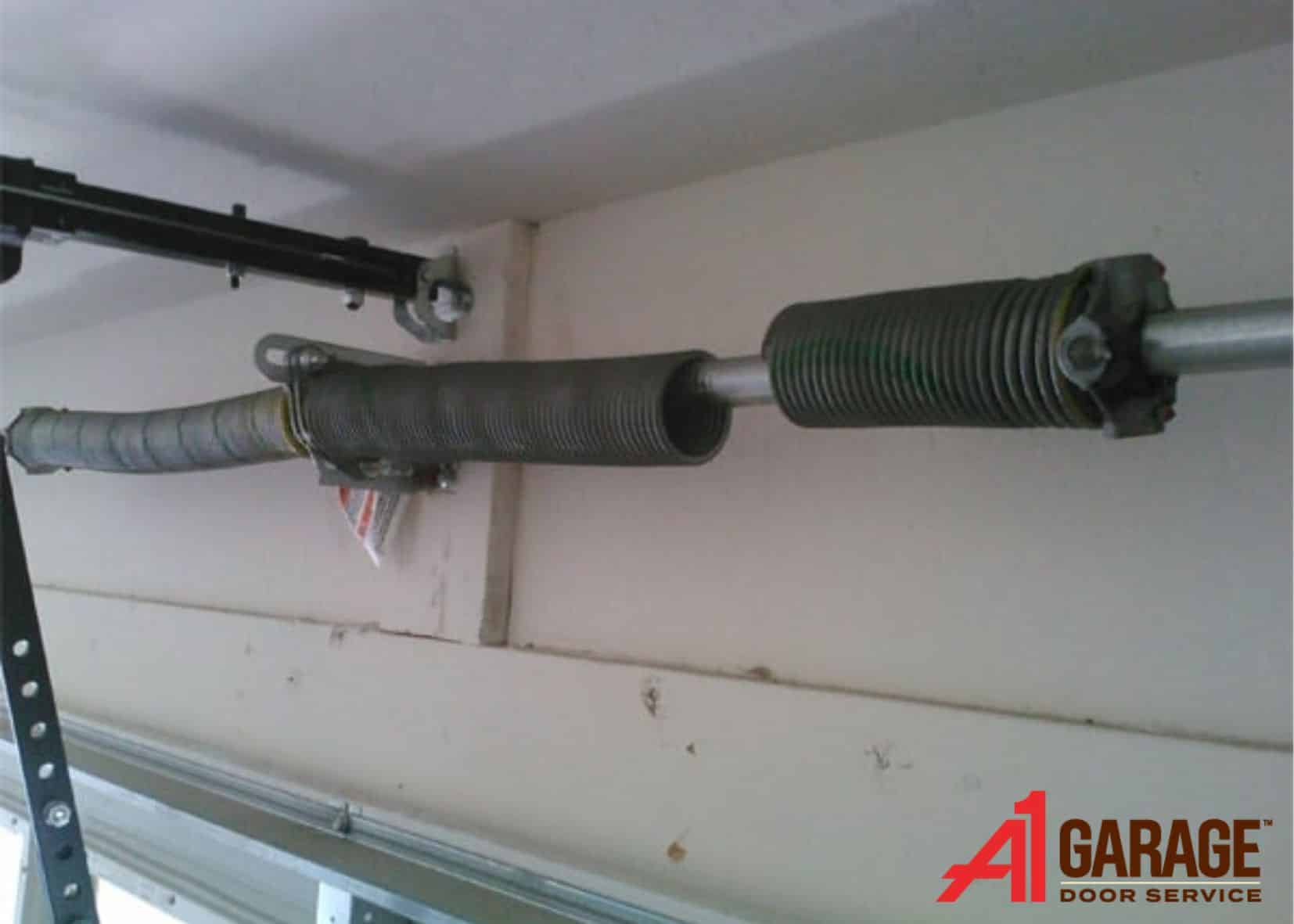
Replacing a broken garage door spring is one of the most stressful home maintenance emergencies you can face. Your car is trapped, your routine is disrupted, and you’re left wondering: how much it cost to replace garage door spring? The answer varies significantly depending on the type of spring, your location, and whether you hire a professional or attempt a DIY fix. This guide breaks down every cost factor so you can make an informed, safe decision.
Understanding the Two Main Types of Garage Door Springs
Before discussing prices, it’s crucial to identify which type of spring your garage door uses. The two primary types are torsion springs and extension springs, and they differ greatly in cost, complexity, and safety risks.
Torsion Springs
Torsion springs are mounted horizontally above the garage door opening on a metal shaft. They are more common in modern homes because they offer smoother operation and longer lifespans (typically 15,000–20,000 cycles). However, they are under extreme tension and require specialized tools for replacement.
Extension Springs
Extension springs are located on both sides of the door, running parallel to the horizontal tracks. They stretch and contract as the door moves. While generally cheaper to replace, they are less durable (around 10,000 cycles) and can be dangerous if they snap unexpectedly.
According to industry standards, torsion springs are considered safer and more efficient, which is why many homeowners choose to upgrade from extension to torsion systems during replacement. For more technical details on spring mechanics, you can refer to Wikipedia’s entry on garage door openers.
Average Cost to Replace a Garage Door Spring in 2026
So, how much it cost to replace garage door spring? Here’s a realistic breakdown based on current market rates across the United States.
| Service Type | Average Cost Range | Notes |
|---|---|---|
| Single Torsion Spring | $150 – $350 | Most common; includes labor |
| Double Torsion Springs | $250 – $500 | Recommended for heavier doors |
| Extension Spring (Pair) | $100 – $200 | Cheaper but less durable |
| DIY Parts Only | $30 – $80 | High risk; not recommended for beginners |
| Emergency/After-Hours | +$100 – $200 surcharge | Weekend or night service fees |
Note: Prices vary by region. Urban areas like New York or San Francisco may charge 20–30% more than rural locations.
Why Do Prices Vary So Much?
Several factors influence the final bill:
- Spring Quality: Standard steel springs are cheaper than galvanized or oil-tempered ones, which resist rust and last longer.
- Door Weight: Heavier doors (e.g., wooden or insulated steel) require stronger, more expensive springs.
- Labor Rates: Professional technicians charge $75–$150 per hour, depending on experience and location.
- Additional Repairs: If cables, rollers, or brackets are damaged, expect additional costs of $50–$150.
DIY vs. Professional Replacement: Is It Worth the Risk?
Many homeowners ask if they can save money by replacing the spring themselves. While the parts cost only $30–$80, the risks often outweigh the savings.
Dangers of DIY Spring Replacement
Garage door springs store immense kinetic energy. A mishandled torsion spring can release enough force to cause severe injury, property damage, or even death. The International Door Association (IDA) strongly advises against untrained individuals attempting torsion spring repairs.
When to Hire a Professional
You should always call a licensed technician if:
- You have a torsion spring system.
- You lack proper tools (winding bars, vice grips, C-clamps).
- The door is off-track or cables are frayed.
- You’re unsure about the correct spring size (measured by wire diameter, length, and inside diameter).
Professionals not only ensure safe installation but also balance the door correctly, preventing premature wear on the opener and other components.
Signs Your Garage Door Spring Needs Replacement
Knowing when to act can prevent bigger expenses. Watch for these warning signs:
- Loud Bang: A sudden snapping sound indicates a broken spring.
- Door Won’t Open: The opener strains or fails to lift the door.
- Uneven Movement: One side of the door hangs lower than the other.
- Visible Gaps: In torsion springs, look for a separation in the coils.
- Age: If your springs are over 7–10 years old, consider proactive replacement.
Step-by-Step: What Happens During a Professional Replacement?
Understanding the process helps you verify that your technician is doing the job correctly.
- Inspection: The technician checks the spring type, measures dimensions, and inspects cables and rollers.
- Safety Setup: The door is secured, and tension is carefully released from the old spring using winding bars.
- Removal: The broken spring is removed, and hardware is checked for wear.
- Installation: The new spring is installed and wound to the precise number of turns required for your door’s weight.
- Testing: The door is opened and closed multiple times to ensure smooth, balanced operation.
- Cleanup: Old parts are removed, and the area is tidied.
The entire process typically takes 30–60 minutes for a single spring and up to 90 minutes for a double-spring system.
How to Extend the Life of Your Garage Door Springs
While springs eventually wear out, proper maintenance can maximize their lifespan:
- Lubricate Regularly: Use a silicone-based lubricant every 6 months to reduce friction.
- Avoid Slamming: Don’t let the door crash shut; use the auto-reverse feature.
- Balance Check: Disconnect the opener and manually lift the door halfway. It should stay in place. If it falls or rises, the springs are unbalanced.
- Annual Inspection: Have a professional inspect the entire system once a year.
FAQ: Common Questions About Garage Door Spring Costs
1. How long do garage door springs last?
Most torsion springs last 15,000–20,000 cycles (about 7–10 years with average use). Extension springs last around 10,000 cycles. Heavy daily use shortens this lifespan.
2. Can I replace just one torsion spring?
If you have a double-spring system, it’s highly recommended to replace both springs at the same time. Since they’ve endured the same wear, the second spring is likely to fail soon after, costing you another service call.
3. Why is my garage door spring breaking so often?
Frequent breakages may indicate incorrect spring sizing, poor installation, lack of lubrication, or an unbalanced door. Have a professional assess the root cause.
4. Does homeowners insurance cover broken garage door springs?
Typically, no. Spring failure is considered normal wear and tear, which is excluded from most policies. However, if damage resulted from a covered event (like a storm), partial coverage might apply.
5. How much does it cost to convert from extension to torsion springs?
Conversion costs range from $350 to $600, including new hardware, labor, and disposal of old springs. This upgrade improves safety and performance.
6. Are there warranties on replacement springs?
Yes. Most professionals offer a 1–3 year warranty on parts and labor. Higher-quality springs may come with 5–7 year warranties. Always ask for written warranty details.
Conclusion
Knowing how much it cost to replace garage door spring empowers you to budget wisely and avoid scams. Expect to pay between $150 and $500 for professional replacement, depending on spring type and door weight. While DIY may seem tempting, the safety risks and potential for improper installation make professional service the smarter choice for most homeowners.
Don’t wait until your door is stuck shut. Regular maintenance and timely replacements keep your garage door operating smoothly and safely for years. If you found this guide helpful, share it with friends or neighbors who might be facing the same issue! Stay safe, and keep your garage door in top shape.
Leave a Reply