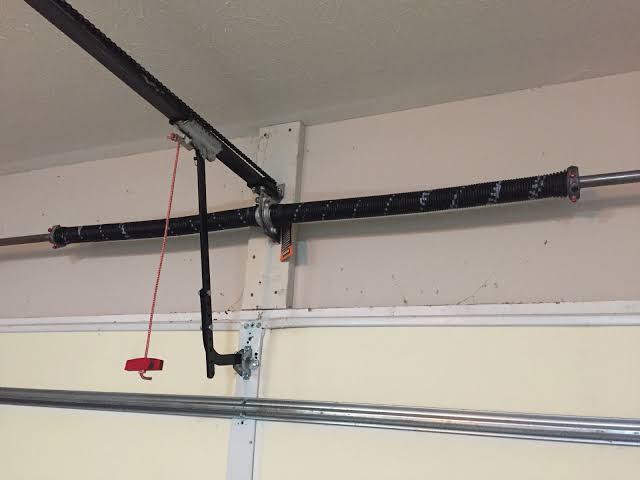
Hearing a loud bang from your garage can be heart-stopping. If your garage door suddenly refuses to open or feels incredibly heavy, you likely have a broken spring. You are probably wondering, “What is the cost to replace garage door spring?” This guide breaks down everything you need to know about pricing, safety, and getting your door back in working order without breaking the bank.
Understanding the Basics: Why Springs Break and Why It Matters
Garage door springs are the unsung heroes of your home’s entryway. They counterbalance the weight of the door, which can weigh anywhere from 150 to 400 pounds. Without functional springs, your garage door opener cannot lift the door, and attempting to force it manually can lead to serious injury or damage to the opener mechanism.
Springs do not last forever. Most standard garage door springs are rated for 10,000 to 15,000 cycles. One cycle equals one full opening and closing of the door. If you use your garage door twice a day, a 10,000-cycle spring will last approximately 7–10 years. However, factors like extreme temperature fluctuations, lack of lubrication, and poor installation can significantly shorten this lifespan.
When a spring breaks, it releases a tremendous amount of stored energy. This is why replacing them is considered one of the most dangerous DIY home repairs. Understanding the cost involved helps you make an informed decision between hiring a professional and attempting a repair yourself—though we strongly advise caution.
What Is the Average Cost to Replace a Garage Door Spring?
The short answer to “what is the cost to replace garage door spring” varies based on location, door type, and spring style. However, in 2026, homeowners can expect the following price ranges:
- National Average Cost: $150 – $350 per spring.
- Low-End Cost (Single Extension Spring): $80 – $150.
- High-End Cost (Dual Torsion Springs + Labor): $300 – $500+.
Breakdown by Spring Type
There are two main types of garage door springs: torsion springs and extension springs. The type you have significantly impacts the price.
| Spring Type | Location | Avg. Part Cost | Avg. Labor Cost | Total Estimated Cost |
|---|---|---|---|---|
| Torsion Spring | Mounted above the door | $40 – $100 | $100 – $200 | $140 – $300 |
| Extension Spring | Mounted on both sides | $20 – $50 | $80 – $150 | $100 – $200 |
Torsion springs are more common in modern homes because they are safer, quieter, and offer better balance. They are also more expensive to replace due to the complexity of the installation. Extension springs are older technology, often found in lighter doors, and are generally cheaper but require more maintenance.
Pro Tip: If one spring breaks, it is highly recommended to replace both springs, even if the other looks fine. Since they were installed at the same time, the second spring is likely near the end of its life cycle. Replacing both saves you from paying for a second service call in the near future.
Factors That Influence Garage Door Spring Replacement Costs
Several variables can cause the final bill to fluctuate. Understanding these can help you budget accurately.
1. Number of Springs
Most residential garage doors use either one or two torsion springs. Heavier doors, such as those made of solid wood or insulated steel, often require two springs to handle the weight. Replacing two springs will naturally cost more than replacing one, though many technicians offer a discount for the second spring since the labor overlap is significant.
2. Spring Quality and Cycle Life
Not all springs are created equal. Standard springs are rated for 10,000 cycles. However, you can upgrade to high-cycle springs rated for 25,000 or even 50,000 cycles. While these may cost 20–30% more upfront, they can last two to three times longer, making them a cost-effective choice if you plan to stay in your home long-term.
3. Geographic Location
Labor rates vary widely across the United States. Homeowners in major metropolitan areas like New York City, San Francisco, or Boston will pay higher labor fees compared to those in rural areas or smaller towns. Additionally, emergency service calls after hours or on weekends typically incur a 20–50% surcharge.
4. Additional Repairs
Often, when a spring breaks, it causes collateral damage. The sudden snap can bend the track, damage the cables, or wear out the rollers. A technician may recommend replacing these components simultaneously. Always ask for a detailed quote that separates spring replacement costs from other necessary repairs.
DIY vs. Professional Replacement: Is It Worth the Risk?
This is the most critical question for budget-conscious homeowners. Can you save money by doing it yourself?
The Case for Professional Installation
- Safety: Garage door springs are under extreme tension. A slipping winding bar can cause severe injury, including broken bones or blindness. Professionals have the right tools and training to manage this risk.
- Warranty: Reputable companies offer warranties on both parts and labor (typically 1–5 years). If something goes wrong, they fix it for free.
- Correct Calibration: A professional ensures the door is perfectly balanced. An improperly balanced door puts strain on the opener, leading to premature failure.
The Case for DIY
- Cost Savings: You only pay for parts, potentially saving $100–$200.
- Satisfaction: For experienced handymen, it can be a rewarding project.
Verdict: Unless you have specific experience with garage door mechanisms and the proper safety tools (winding bars, vice grips, and clamps), hire a professional. The potential medical bills from an accident far outweigh the savings. For more information on garage door mechanics, you can refer to Wikipedia’s article on garage doors to understand the basic principles.
How to Choose the Right Service Provider
Not all garage door companies are equal. Here is how to ensure you get fair pricing and quality work:
- Get Multiple Quotes: Contact at least three local companies. Ask for a breakdown of parts vs. labor.
- Check Reviews: Look for recent reviews on Google, Yelp, or Angie’s List. Pay attention to comments about punctuality and transparency in pricing.
- Ask About Warranty: A confident company will stand behind their work. Avoid providers who offer no warranty on labor.
- Verify Licensing and Insurance: Ensure the technician is licensed and insured. This protects you in case of accidents during the repair.
FAQ Section
Q1: How long does it take to replace a garage door spring?
A professional technician can typically replace a pair of torsion springs in 30 to 60 minutes. Extension springs may take slightly less time. If additional repairs are needed, such as cable replacement, the job may take up to two hours.
Q2: Can I drive my car out if the spring is broken?
If the spring is broken, the door will be extremely heavy. You can manually lift it using the emergency release cord, but it requires significant strength. Be cautious, as the door will slam shut if you let go. It is safer to leave the door closed and park another vehicle outside if possible.
Q3: Why did my spring break so soon?
Common reasons include lack of lubrication, extreme weather conditions causing metal fatigue, or improper initial installation. If your spring broke within the first few years, it may have been a defective part or incorrectly sized for your door.
Q4: Do I need to replace the cables too?
It is highly recommended. Cables endure significant stress every time the door operates. If they are frayed or worn, they could snap while the new springs are under tension, which is dangerous. Many technicians include new cables in the replacement package for a small additional fee.
Q5: What is the difference between oil-tempered and galvanized springs?
Oil-tempered springs are the industry standard and are coated with oil to prevent rust. Galvanized springs have a zinc coating for enhanced corrosion resistance, making them ideal for humid or coastal climates. Galvanized springs may cost slightly more but offer better longevity in harsh environments.
Q6: Will my homeowner’s insurance cover a broken garage door spring?
Generally, no. Homeowner’s insurance considers spring breakage a result of normal wear and tear, which is not covered. However, if the broken spring caused damage to your car or another structure, that secondary damage might be covered. Check with your provider for specific details.
Conclusion
Knowing what is the cost to replace garage door spring empowers you to make smart financial decisions. With average costs ranging from $150 to $350, this repair is a manageable expense for most homeowners. Remember, prioritizing safety and professional installation is crucial due to the high tension involved.
By choosing high-cycle springs and a reputable technician, you can ensure your garage door operates smoothly for years to come. Don’t wait until the second spring breaks—address the issue promptly to avoid inconvenience and potential security risks.
Found this guide helpful? Share it with your neighbors on Facebook or Twitter to help them prepare for unexpected garage door issues!
Leave a Reply