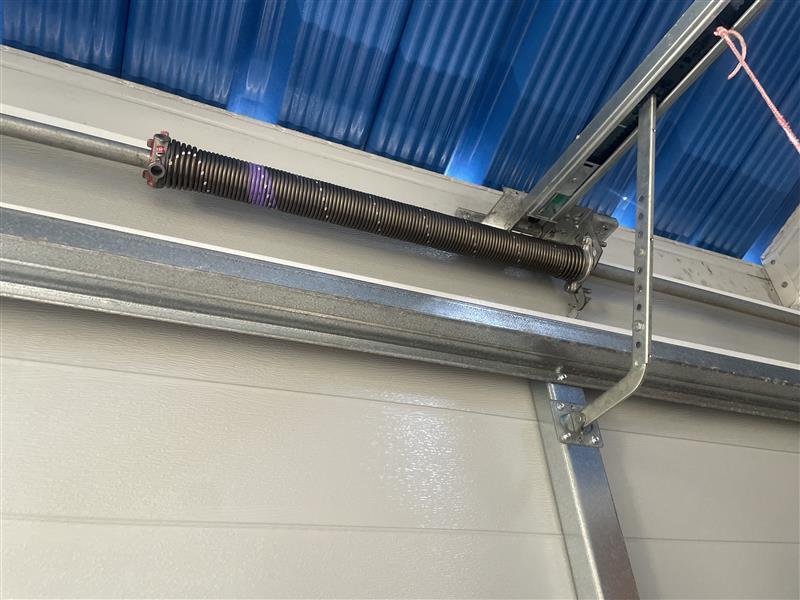
Have you ever walked out to your car in the morning, hit the opener button, and heard a loud bang followed by silence? It is a frustrating and slightly alarming experience that leaves your vehicle trapped inside. If you are currently staring at a stuck garage door and wondering how much is it to repair a garage door spring, you are not alone. This guide will break down the costs, safety risks, and what you need to know to get your home running smoothly again.
Understanding the Cost Breakdown
The short answer to the burning question is that repairing or replacing a garage door spring typically costs between $150 and $350 for a single spring. However, this price can fluctuate based on several critical factors. Most homeowners end up paying an average of $250 for a standard residential replacement.
It is important to note that “repairing” a spring is rarely an option. Due to the immense tension these components hold, professionals almost always recommend full replacement rather than attempting to fix a cracked or snapped coil. Trying to weld or bend a broken spring is dangerous and ineffective.
Factors That Influence the Price
Several variables determine where your final bill will land within that $150–$350 range:
- Type of Spring: Torsion springs (mounted above the door) are generally more expensive than extension springs (mounted on the sides) because they are heavier-duty and more complex to install.
- Cycle Rating: Springs are rated by “cycles” (one open and close equals one cycle). A standard spring might last 10,000 cycles, while high-cycle springs last 25,000+. Higher durability means a higher upfront cost but better long-term value.
- Door Weight and Size: A double-car garage door with heavy wood panels requires stronger, thicker springs than a lightweight single aluminum door.
- Labor Rates: Geographic location plays a huge role. Labor in urban areas like New York or San Francisco will be significantly higher than in rural regions.
| Component | Estimated Cost Range | Notes |
|---|---|---|
| Single Extension Spring | $40 – $100 | Easier to replace, less tension. |
| Single Torsion Spring | $80 – $150 | Standard for most modern homes. |
| Labor Costs | $100 – $200 | Includes safety checks and calibration. |
| Emergency/After-Hours | +$50 – $100 | Premium for nights, weekends, or holidays. |
Torsion vs. Extension Springs: Which Do You Have?
Identifying your spring type is the first step in getting an accurate quote. The two main types function differently and have different price points.
Torsion springs are mounted horizontally on a metal shaft above the closed garage door. They work by twisting (torque) to lift the heavy weight of the door. These are considered safer and more durable, which is why they are the standard in newer homes. Because they require specialized winding bars and precise calibration, the labor cost for torsion springs is usually higher.
Extension springs run parallel to the horizontal tracks on either side of the door. They stretch and contract to provide lifting force. While cheaper to buy, they are prone to snapping violently if they fail, posing a safety risk. Many older homes still use these, but professionals often suggest upgrading to torsion systems during replacement.
For a deeper technical understanding of how these mechanical systems operate under tension, you can refer to the general principles of spring mechanics on Wikipedia.
Why You Should Never DIY This Repair
You might be tempted to save money by buying a spring online and fixing it yourself. Do not do this.
Garage door springs are under extreme tension—often enough to lift hundreds of pounds. When a spring breaks, that energy is released instantly. If you attempt to wind a new torsion spring without the proper tools (specifically, hardened steel winding bars) and training, you risk severe injury, including broken bones, lacerations, or even fatal accidents.
Professional technicians carry insurance and have the specific tools required to safely unwind the old spring and wind the new one to the exact torque specification required for your door’s weight. The cost of hiring a pro is not just for the part; it is for your safety and the correct calibration of your entire door system.
Signs Your Garage Door Spring Is Failing
Catching a failing spring early can prevent your car from being trapped inside. Look out for these warning signs:
- Loud Bang: The most obvious sign. A broken spring sounds like a gunshot or a firecracker going off in your garage.
- Door Won’t Open: The opener motor may run, but the door only lifts a few inches or not at all.
- Gap in the Spring: Inspect the torsion spring above the door. If you see a visible gap in the coils, it has snapped.
- Crooked Door: If one spring breaks on a dual-spring system, the door may hang unevenly or look tilted.
- Loose Cables: If the spring fails, the lifting cables may become slack or detach from the bottom brackets.
How to Extend the Life of Your Springs
While springs are wear-and-tear items, you can maximize their lifespan with regular maintenance. Here are some expert tips:
- Lubricate Regularly: Use a silicone-based lubricant or white lithium grease on the springs every six months. Avoid WD-40, as it attracts dust and can dry out over time.
- Check Balance: Disconnect the opener (pull the red release cord) and manually lift the door halfway. If it stays in place, it is balanced. If it falls or rises, the springs are losing tension.
- Visual Inspections: Once a month, look for rust, gaps, or wear marks on the springs and cables.
- Keep Tracks Clean: Debris in the tracks forces the opener and springs to work harder, leading to premature failure.
Frequently Asked Questions
1. Can I just replace one spring if I have two?
If your garage door uses two torsion springs, it is highly recommended to replace both at the same time. Since they were installed at the same time, they have undergone the same amount of wear. If one has broken, the other is likely near the end of its life. Replacing both ensures balanced lifting and saves you from paying for a second service call soon after.
2. How long do garage door springs last?
Standard residential springs are rated for approximately 10,000 cycles. For an average family that opens and closes the door 2–3 times a day, this translates to about 7–10 years. High-cycle springs can last up to 25,000 cycles (15+ years), but they come at a premium price.
3. Is it cheaper to repair the spring or replace the whole door?
In almost every case, replacing the spring is far cheaper than replacing the entire door. A new garage door can cost $1,000 to $4,000+, whereas spring replacement is under $400. Unless your door is severely damaged, rusted through, or outdated, spring replacement is the most cost-effective solution.
4. Why is my garage door making a grinding noise?
A grinding noise is usually not related to the springs. It often indicates an issue with the garage door opener’s gears or the rollers moving along the track. Springs typically make a loud bang when they break, but they do not grind. If you hear grinding, check the opener unit and the roller bearings.
5. Does homeowners insurance cover broken garage door springs?
Generally, no. Homeowners insurance covers sudden and accidental damage from events like storms, fires, or vandalism. Broken springs are considered “wear and tear” or maintenance issues, similar to a worn-out roof shingle or a leaky faucet. You will likely need to pay out-of-pocket for this repair.
Conclusion
Dealing with a broken garage door spring is a hassle, but knowing how much is it to repair a garage door spring helps you budget effectively and avoid scams. With average costs ranging from $150 to $350, it is a manageable repair that restores security and convenience to your home.
Remember, safety is paramount. Always hire a licensed professional to handle high-tension components. By performing regular lubrication and balance checks, you can extend the life of your new springs and avoid unexpected breakdowns in the future.
Found this guide helpful? Share it with your neighbors on Facebook or Twitter to help them prepare for their next garage door maintenance task!
Leave a Reply