Replacing a worn-out or malfunctioning garage door is one of those home projects that can significantly boost both your home’s curb appeal and security. But before you call a contractor, you’re likely asking: how much is it to install a new garage door? The answer isn’t always straightforward, as prices vary based on materials, labor, and additional features. In this guide, we’ll break down everything you need to know about garage door installation costs in 2026, helping you make an informed decision without breaking the bank.
What Is the Average Cost to Install a New Garage Door?
The national average cost to install a new garage door in the United States ranges from $750 to $1,500, with most homeowners spending around $1,100 for a standard single-car door with professional installation. However, this figure can swing dramatically depending on several factors.
For a basic steel door with manual operation, you might pay as little as $600–$800. On the other hand, high-end custom wood doors with smart openers and insulation can easily exceed $3,000–$5,000. According to recent industry reports, labor typically accounts for 30–40% of the total cost, while the door itself makes up the remaining portion.
| Door Type | Average Material Cost | Installation Cost | Total Estimated Cost |
|---|---|---|---|
| Steel (Basic) | $300–$600 | $300–$500 | $600–$1,100 |
| Aluminum | $400–$800 | $350–$550 | $750–$1,350 |
| Wood | $800–$2,500 | $400–$700 | $1,200–$3,200 |
| Fiberglass | $500–$1,200 | $350–$600 | $850–$1,800 |
| Custom/High-End | $1,500–$4,000+ | $500–$1,000+ | $2,000–$5,000+ |
Note: Prices are approximate and may vary by region and contractor.
What Factors Influence Garage Door Installation Costs?
Understanding what drives up or lowers the price can help you budget more effectively. Here are the key factors:
1. Door Material
Steel is the most affordable and durable option, making it a popular choice for many homeowners. Wood offers aesthetic appeal but requires more maintenance and comes at a premium. Aluminum and fiberglass fall somewhere in between, offering rust resistance and moderate pricing.
2. Door Size and Style
Standard single-car doors (8×7 feet) are cheaper than double-car doors (16×7 feet). Custom sizes or unique styles like carriage-house designs will increase costs due to specialized manufacturing.
3. Insulation Level
Insulated doors improve energy efficiency and noise reduction. R-values range from R-8 (basic) to R-19+ (premium). Higher insulation adds $100–$300 to the material cost but can save on heating and cooling bills over time.
4. Opener and Hardware
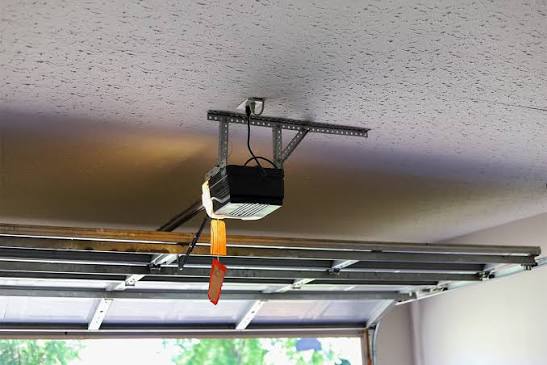
A basic chain-drive opener costs $150–$250, while quiet belt-drive or smart Wi-Fi-enabled models can run $300–$600. Don’t forget springs, cables, and tracks—these components add $100–$200 if replaced simultaneously.
5. Labor and Location
Urban areas with higher living costs tend to have pricier labor rates. Additionally, complex installations (e.g., replacing old tracks or fixing structural issues) will increase labor hours and costs.
Should You DIY or Hire a Professional?
While DIY enthusiasts might be tempted to save money by installing a garage door themselves, this project involves heavy lifting, precise alignment, and tensioned springs that can be dangerous if handled incorrectly.
Pros of Hiring a Pro:
- Expertise in handling hazardous components like torsion springs
- Warranty on both parts and labor
- Faster completion (usually 4–6 hours)
- Compliance with local building codes
Cons of DIY:
- Risk of injury from spring tension
- Potential voiding of manufacturer warranty
- Time-consuming (can take 1–2 days for beginners)
- Possible mistakes leading to costly repairs
For most homeowners, hiring a licensed and insured professional is the safer and more efficient choice. You can verify contractor credentials through platforms like the International Door Association or local business bureaus.
How Can You Save Money on Garage Door Installation?
You don’t have to overspend to get a quality garage door. Here are some proven strategies to reduce costs:
- Get Multiple Quotes: Obtain at least three estimates from reputable contractors to compare pricing and services.
- Choose Off-Season Timing: Schedule installation in late fall or winter when demand is lower; some companies offer discounts during these periods.
- Opt for Standard Sizes: Custom sizes require special orders and increase lead times and costs.
- Bundle Services: If you need other home improvements done, ask if the contractor offers package deals.
- Check for Rebates: Some energy-efficient insulated doors qualify for utility company rebates or tax credits.
Frequently Asked Questions About Garage Door Installation Costs
Q1: How long does it take to install a new garage door?
A typical professional installation takes 4–6 hours for a standard door. Complex jobs or custom orders may take longer, especially if structural modifications are needed.
Q2: Do I need a permit to install a new garage door?
In most U.S. municipalities, replacing an existing garage door with a similar model does not require a permit. However, if you’re changing the size or structure, check with your local building department. Rules vary by city and county.
Q3: What is the lifespan of a new garage door?
With proper maintenance, a steel garage door can last 15–30 years, while wood doors may last 10–20 years depending on climate and upkeep. Regular lubrication and inspection can extend longevity.
Q4: Are there financing options available?
Many garage door companies offer financing plans, often with low or zero-interest promotions for qualified buyers. Home equity loans or personal loans are also viable options for larger projects.
Q5: Can I install a smart garage door opener myself?
Yes, many smart openers are designed for DIY installation and come with detailed instructions. However, if you’re replacing the entire door system, it’s best to let professionals handle the opener integration to ensure compatibility and safety.
Q6: What maintenance is required after installation?
Regular maintenance includes lubricating moving parts every six months, inspecting springs and cables for wear, and testing the auto-reverse safety feature monthly. Annual professional tune-ups are recommended to catch potential issues early.
Final Thoughts: Invest Wisely in Your Garage Door Upgrade
Knowing how much is it to install a new garage door empowers you to plan your budget confidently and avoid unexpected expenses. Whether you choose a budget-friendly steel model or a premium insulated wood door, prioritizing quality installation ensures durability, safety, and long-term value.
Don’t rush the decision—take time to research materials, compare quotes, and select a trusted installer. Your garage door is not just a functional entryway; it’s a key element of your home’s first impression.
If you found this guide helpful, share it with friends or family who might be considering a garage door upgrade. Happy home improving!
Leave a Reply