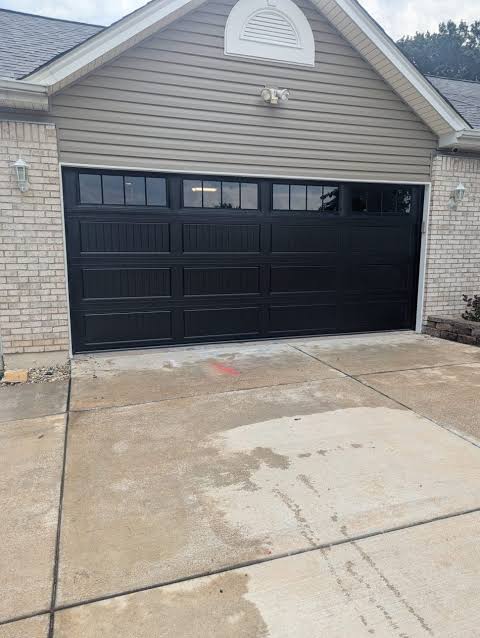
Replacing a broken or outdated garage door is more than just a home improvement project; it is a critical investment in your home’s security, energy efficiency, and curb appeal. However, navigating the pricing landscape can be confusing for many homeowners. If you are asking yourself, “how much is it to get a garage door installed,” you are not alone. This guide breaks down every cost factor to help you budget accurately and avoid unexpected surprises.
Understanding the Average Cost of Garage Door Installation
The cost to install a new garage door varies significantly based on materials, size, and labor. On average, homeowners in the United States spend between $800 and $3,500 for a standard single-car garage door installation. For double-car doors or high-end custom models, prices can range from $1,500 to $7,000+.
It is essential to understand that this price typically includes both the door itself and the professional labor required for installation. Attempting a DIY installation without proper tools and expertise can lead to safety hazards and voided warranties, making professional installation a worthwhile expense.
Breakdown by Door Type
| Door Type | Average Material Cost | Average Installation Cost | Total Estimated Range |
|---|---|---|---|
| Steel (Single Layer) | $300 – $800 | $200 – $500 | $500 – $1,300 |
| Steel (Insulated) | $600 – $1,200 | $200 – $500 | $800 – $1,700 |
| Aluminum/Glass | $1,000 – $2,500 | $300 – $600 | $1,300 – $3,100 |
| Wood Composite | $1,200 – $3,000 | $400 – $800 | $1,600 – $3,800 |
| Custom Wood | $2,000 – $5,000+ | $500 – $1,000+ | $2,500 – $6,000+ |
Note: Prices are estimates and can vary by region and contractor.
What Factors Influence the Final Installation Price?
When determining how much is it to get a garage door installed, several variables come into play. Understanding these factors will help you make informed decisions and prioritize your budget.
1. Material Selection
The material of your garage door is the most significant cost driver.
- Steel: The most popular choice due to its durability, low maintenance, and affordability. Insulated steel doors offer better energy efficiency but cost more.
- Wood: Offers a classic, high-end look but requires regular maintenance (staining/sealing) and is prone to warping in humid climates.
- Aluminum: Lightweight and resistant to rust, ideal for coastal areas. Often paired with glass panels for a modern aesthetic.
- Fiberglass/Composite: Mimics the look of wood without the maintenance hassle. It is durable but can be brittle in extreme cold.
2. Door Size and Style
Standard single-car doors (8×7 feet or 9×7 feet) are the most affordable. Double-car doors (16×7 feet) require more material and heavier-duty hardware, increasing the cost. Custom sizes or non-standard heights will also incur additional fees. Styles like carriage-house designs or those with windows add to the price due to increased complexity.
3. Insulation Level
Insulation is measured by R-value. A higher R-value means better thermal resistance.
- Non-insulated (R-0 to R-2): Cheapest option, suitable for detached garages or mild climates.
- Moderately Insulated (R-6 to R-9): Good for attached garages, helping to regulate temperature slightly.
- Highly Insulated (R-12 to R-18+): Best for homes where the garage is used as a workspace or living space. It significantly reduces energy bills but costs more upfront.
4. Labor and Geographic Location
Labor costs vary by region. Urban areas with a higher cost of living typically have higher installation fees. Additionally, the complexity of the installation—such as removing an old door, repairing framing, or upgrading the opener—will affect the final bill. Most professionals charge between $50 and $100 per hour for labor.
5. Additional Hardware and Openers
The quote may or may not include a new garage door opener. If you need a new opener, expect to pay an additional $150 to $500 depending on the type (chain-drive, belt-drive, or smart opener). New tracks, springs, and rollers are often included in the installation package, but confirm this with your contractor.
Is It Better to Hire a Professional or Do It Yourself?
While DIY projects can save money, garage door installation is not recommended for beginners. Garage doors are heavy, and the tension springs store immense energy that can cause serious injury if handled incorrectly.
Pros of Professional Installation
- Safety: Trained technicians know how to handle high-tension springs safely.
- Warranty: Most manufacturers require professional installation to validate the warranty.
- Speed: Professionals can complete the job in 4–6 hours, whereas a DIYer might take days.
- Expertise: They can identify and fix underlying issues with the frame or tracks.
Cons of DIY Installation
- Risk of Injury: Incorrect spring handling can lead to severe accidents.
- Voided Warranty: Many warranties become null if self-installed.
- Time-Consuming: Requires specialized tools and significant time investment.
- Potential Errors: Misalignment can lead to premature wear and costly repairs later.
For more information on garage door standards and safety guidelines, you can refer to Wikipedia’s page on Garage Doors.
Step-by-Step Overview of the Installation Process
Understanding the process helps you know what to expect when hiring a contractor. Here is a simplified overview:
- Removal of Old Door: The technician removes the existing door, tracks, and hardware. They inspect the opening for any structural damage.
- Preparation of Opening: The frame is cleaned, and any necessary repairs are made. Weather stripping is often installed at this stage.
- Track Installation: New vertical and horizontal tracks are mounted securely to the walls and ceiling. Precision is crucial here to ensure smooth operation.
- Door Assembly: Panels are assembled and hung on the tracks. Hinges and rollers are attached.
- Spring and Cable Installation: Torsion or extension springs are installed. This is the most dangerous step and should only be done by professionals.
- Opener Installation (if applicable): The motor unit is mounted, and the carriage is connected to the door.
- Testing and Adjustment: The door is tested multiple times to ensure balance, smooth movement, and proper safety sensor function.
Frequently Asked Questions (FAQ)
How long does it take to install a new garage door?
A professional team can typically install a new garage door in 4 to 6 hours. This includes removing the old door, installing the new one, and testing the system. Complex installations or custom doors may take longer.
Do I need a permit to install a garage door?
In most jurisdictions, replacing an existing garage door with a similar size and type does not require a permit. However, if you are changing the size of the opening or modifying the structure, a permit may be necessary. Always check with your local building department.
What is the lifespan of a new garage door?
With proper maintenance, a high-quality garage door can last 15 to 30 years. Steel doors tend to last longer than wood doors, which require more upkeep. Regular lubrication of moving parts and annual inspections can extend its lifespan.
Can I install a new door on my existing tracks?
It is generally not recommended to reuse old tracks. New doors are designed to work with specific track profiles and hardware. Reusing old tracks can lead to misalignment, noise, and premature wear. Most professional installers will include new tracks in the package.
How can I save money on garage door installation?
- Choose Standard Sizes: Avoid custom sizes if possible.
- Select Steel: It is the most cost-effective and durable material.
- Get Multiple Quotes: Compare prices from at least three reputable contractors.
- Off-Season Discounts: Some companies offer discounts during slower months (late fall or winter).
- Bundle Services: If you need a new opener, ask for a package deal.
Conclusion
Knowing how much is it to get a garage door installed empowers you to make a smart financial decision. While the average cost ranges from $800 to $3,500, the value it adds to your home in terms of security, energy efficiency, and aesthetics is immeasurable. By choosing the right material, understanding the factors that influence price, and hiring a qualified professional, you ensure a smooth installation and long-lasting performance.
Don’t let uncertainty hold you back. Take the next step in enhancing your home’s functionality and curb appeal. If you found this guide helpful, please share it with friends or family who might be considering a garage door upgrade!
Leave a Reply