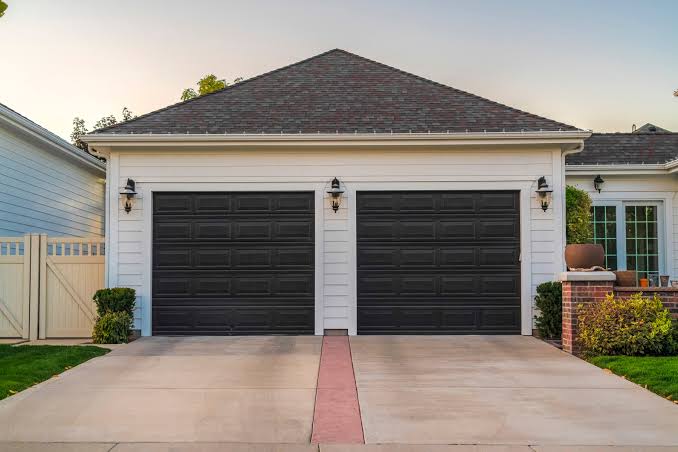
Replacing a worn-out or damaged garage door is one of those home improvement projects that often catches homeowners off guard. You might notice a strange noise, see visible dents, or simply feel the draft coming through old seals, prompting the urgent question: how much is it for a new garage door? Understanding the financial commitment upfront is crucial for budgeting effectively and avoiding unexpected surprises during the renovation process.
In this guide, we will break down the current market rates for 2026, explore the factors that influence pricing, and help you determine the best value for your home. Whether you are looking for a basic functional replacement or a high-end custom design, knowing the numbers empowers you to make a confident decision.
Average Cost of a New Garage Door in 2026
When planning your budget, it is essential to look at both the national averages and the specific ranges based on quality. According to recent industry data, the total cost to replace a garage door typically includes both the unit itself and professional installation.
On average, homeowners in the United States spend between $850 and $1,300 for a standard single-car garage door installation. For a double-car garage door, the price range usually falls between $1,200 and $2,500. However, these figures can vary significantly depending on the material, style, and additional features you choose.
| Garage Door Type | Average Material Cost | Average Installation Cost | Total Estimated Cost |
|---|---|---|---|
| Single-Panel Steel | $400 – $700 | $300 – $500 | $700 – $1,200 |
| Sectional Steel | $600 – $900 | $400 – $600 | $1,000 – $1,500 |
| Aluminum/Glass | $1,200 – $2,500 | $500 – $800 | $1,700 – $3,300 |
| Wood Composite | $1,500 – $3,000 | $600 – $1,000 | $2,100 – $4,000 |
| Custom Wood | $3,000+ | $800+ | $3,800+ |
Note: Prices are estimates for 2026 and may vary by region and contractor.
What Factors Influence Garage Door Pricing?
Understanding why prices differ helps you prioritize where to spend and where to save. Several key variables contribute to the final quote you receive from a contractor.
1. Material Selection
The material is the most significant cost driver. Steel remains the most popular choice due to its durability, low maintenance, and affordability. It resists warping and cracking, making it ideal for various climates. On the other end of the spectrum, real wood offers unmatched aesthetic appeal but requires regular staining and sealing to prevent rot and insect damage. Aluminum and glass combinations are trending for modern homes, providing a sleek look but often at a higher price point due to the complexity of manufacturing.
2. Insulation and Energy Efficiency
If your garage is attached to your home or used as a workspace, insulation is critical. Non-insulated doors are cheaper but offer little thermal protection. Insulated doors use polyurethane or polystyrene foam cores. While they cost 15–20% more upfront, they can significantly reduce energy bills by preventing heat loss in winter and keeping the garage cooler in summer. Look for the R-value rating; a higher R-value means better insulation.
3. Style and Design Complexity
A standard raised-panel design is the most economical. However, if you opt for custom windows, decorative hardware, or carriage-house styles, the price increases. Windows add natural light but also require tempered glass for safety, which adds to the cost. Additionally, custom colors or finishes beyond the standard white or brown options often incur extra charges.
4. Labor and Installation Complexity
Installation is not a DIY-friendly task for most people due to the high tension of the springs and the weight of the door. Professional installation ensures safety and proper alignment. Labor costs can vary based on your location’s cost of living and the difficulty of the job. If your existing tracks or opener need replacement, this will add to the labor hours and material costs.
People Also Ask: Common Questions About Garage Door Costs
To help you navigate the purchasing process, we have addressed some of the most frequent questions homeowners ask when researching garage door replacements.
Does Size Matter for the Price?
Absolutely. Standard single-car doors are typically 8 or 9 feet wide and 7 feet high. Double-car doors are usually 16 feet wide. If you have an oversized vehicle, such as an RV or a large truck, you may need a custom-sized door. Custom sizes require special ordering and can increase the cost by 20–30% compared to standard sizes. Always measure your opening carefully before requesting quotes.
Should I Replace the Opener Too?
If your current garage door opener is more than 10 years old, it is wise to replace it along with the door. Newer models are quieter, more secure, and often come with smart-home integration features. Adding a new opener typically costs between $200 and $500, including installation. Many contractors offer bundle discounts if you purchase the door and opener together.
How Long Does Installation Take?
Professional installation of a standard garage door usually takes 3 to 5 hours. This includes removing the old door, installing the new tracks, panels, springs, and hardware, and testing the balance and safety sensors. If structural repairs are needed to the frame or header, the timeline may extend to a full day.
Can I Install It Myself to Save Money?
While it is technically possible, it is highly discouraged. Garage doors are heavy, and the torsion springs store immense energy. Incorrect handling can lead to severe injury or property damage. Most manufacturers void warranties if the door is not installed by a certified professional. The risk far outweighs the potential savings of $300–$500 in labor costs.
Step-by-Step Guide to Getting an Accurate Quote
To ensure you get a fair price and avoid hidden fees, follow these steps when contacting local providers.
- Measure Your Opening: Measure the width and height of your garage opening in inches. Also, note the headroom (space above the door) and side room (space on either side).
- Identify Your Needs: Decide if you need insulation, windows, or specific materials. Take photos of your current setup to share with contractors.
- Get Multiple Quotes: Contact at least three licensed and insured garage door companies. Ask for itemized quotes that separate material and labor costs.
- Check Reviews and Credentials: Verify that the company has positive reviews on platforms like Google and the Better Business Bureau. Ensure they are licensed to operate in your state.
- Ask About Warranties: Inquire about warranties for both parts and labor. A reputable company should offer at least a one-year labor warranty and a manufacturer’s warranty on the door itself.
For more detailed information on garage door standards and safety regulations, you can refer to the Wikipedia page on Garage Doors, which provides a comprehensive overview of historical development and technical specifications.
Maintenance Tips to Extend Lifespan
Once you have invested in a new garage door, proper maintenance will keep it functioning smoothly for years.
- Lubricate Moving Parts: Every six months, apply a silicone-based lubricant to rollers, hinges, and springs. Avoid using WD-40 as it can attract dust and gum up the mechanism.
- Inspect Weather Stripping: Check the rubber seals at the bottom and sides of the door. Replace them if they are cracked or brittle to maintain energy efficiency.
- Test Balance and Safety Sensors: Disconnect the opener and manually lift the door halfway. It should stay in place. If it falls or rises, the springs are unbalanced. Also, regularly test the auto-reverse feature by placing an object in the door’s path.
Frequently Asked Questions (FAQ)
Q: How much does it cost to repair a garage door instead of replacing it? A: Minor repairs, such as replacing cables or rollers, typically cost between $150 and $350. Spring replacement ranges from $200 to $400. If repair costs exceed 50% of the price of a new door, replacement is usually the more economical long-term choice.
Q: Are there any tax credits or rebates for energy-efficient garage doors? A: Yes, certain insulated garage doors may qualify for federal or state energy efficiency rebates. Check with your local utility provider or the IRS website for current programs. Look for doors with high R-values and ENERGY STAR certification.
Q: How long do garage doors last? A: With proper maintenance, a steel garage door can last 15–20 years. Wood doors may last 10–15 years depending on climate and upkeep. Springs and openers typically need replacement every 7–10 years.
Q: What is the most affordable garage door material? A: Single-layer steel is generally the most affordable option. It is durable and low-maintenance, though it offers less insulation than multi-layered or insulated models.
Q: Do I need a permit to replace my garage door? A: In most jurisdictions, a simple like-for-like replacement does not require a permit. However, if you are changing the size of the opening or modifying the structure, a permit may be necessary. Always check with your local building department.
Conclusion
Knowing how much is it for a new garage door allows you to plan your home improvement budget with confidence. While the average cost ranges from $850 to $2,500, the right choice depends on your specific needs regarding insulation, aesthetics, and durability. By understanding the factors that influence pricing and following a structured approach to getting quotes, you can secure a high-quality door that enhances your home’s curb appeal and functionality.
Don’t let uncertainty delay your project. Share this guide with friends or family who might be considering a similar upgrade, and start gathering quotes from trusted local professionals today. Your home deserves the security and style of a brand-new garage door!
Leave a Reply