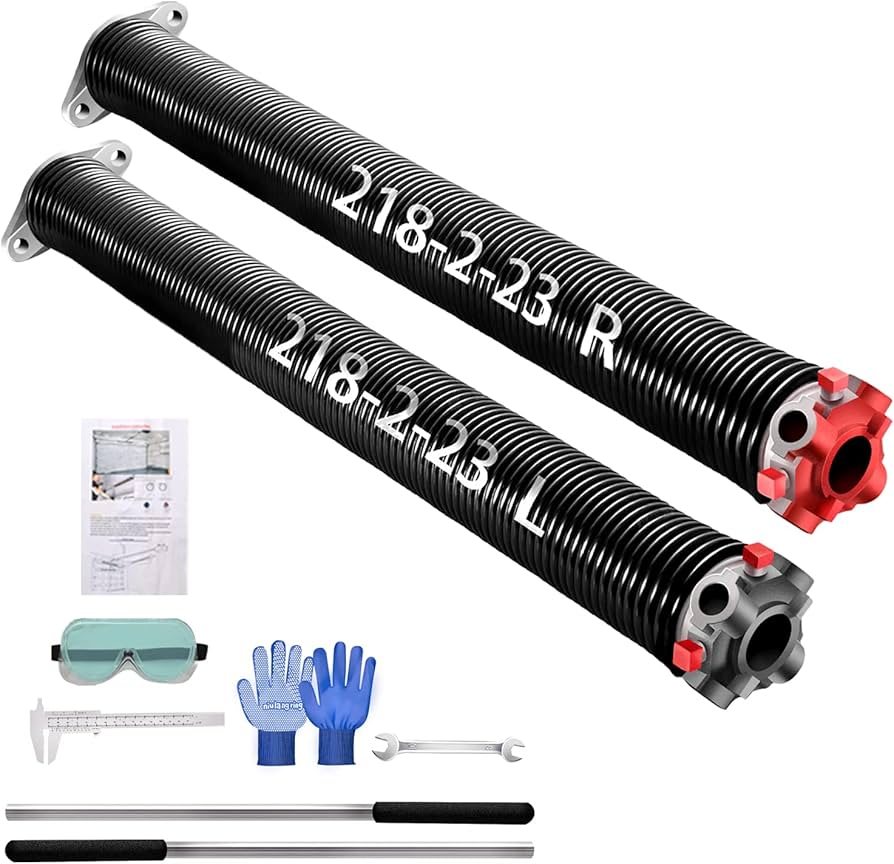
Have you ever woken up to the loud bang of a broken garage door spring, leaving your car trapped inside? It is a frustrating and potentially dangerous situation that many homeowners face unexpectedly. If you are currently dealing with this issue, you are likely asking yourself: how much is a spring replacement for garage door? Understanding the costs involved can help you budget effectively and avoid overpaying for essential repairs.
Understanding the Cost Factors
The price of replacing a garage door spring is not a one-size-fits-all figure. Several variables influence the final bill, ranging from the type of spring to your geographic location. Generally, homeowners can expect to pay between $150 and $350 for a professional replacement, including parts and labor. However, high-end doors or complex systems may push this cost closer to $400 or more.
Type of Spring: Torsion vs. Extension
The most significant factor affecting price is the type of spring your garage door uses. There are two main types, and they differ significantly in cost, lifespan, and installation complexity.
| Feature | Torsion Springs | Extension Springs |
|---|---|---|
| Location | Mounted above the door opening | Mounted on both sides of the door |
| Average Cost | $200 – $350 | $100 – $200 |
| Lifespan | 15,000 – 20,000 cycles | 10,000 cycles |
| Safety | Safer (contained within metal tube) | Higher risk if snapped |
| Installation | Complex, requires professional | Simpler, but still risky |
Torsion springs are more expensive upfront but offer better balance and longevity. They are wound tightly and store energy by twisting. Because they are under extreme tension, replacing them requires specialized tools and expertise. Extension springs, on the other hand, stretch to provide lift. While cheaper, they are prone to snapping violently and generally have a shorter lifespan.
Labor Costs and Professional Fees
While DIY might seem tempting, garage door springs are under immense tension—enough to cause serious injury or death if handled incorrectly. Most of the cost you pay goes toward labor and expertise.
- Service Call Fee: Many companies charge a flat fee ($50–$80) just to come to your home, which is often waived if you proceed with the repair.
- Labor Rate: Technicians typically charge $75–$150 per hour. A standard spring replacement takes 1–2 hours.
- Emergency Premium: If you need service on weekends, holidays, or after hours, expect to pay an additional 20–50% surcharge.
According to industry standards, hiring a licensed professional ensures that the spring is calibrated correctly to your door’s weight, preventing premature wear on your garage door opener. For more detailed technical specifications on spring mechanics, you can refer to Wikipedia’s entry on garage door openers.
Why Do Garage Door Springs Break?
Understanding why springs fail can help you anticipate replacements and maintain your system better. Garage door springs are rated by “cycles,” where one cycle equals one opening and one closing.
- Normal Wear and Tear: Most residential springs are rated for 10,000 to 20,000 cycles. If you use your garage door four times a day, a 10,000-cycle spring will last roughly seven years.
- Lack of Lubrication: Friction is the enemy of metal springs. Without regular lubrication using a silicone-based spray, rust and corrosion can weaken the metal, leading to premature failure.
- Temperature Fluctuations: Extreme cold makes metal brittle, while intense heat can cause expansion and stress. Regions with harsh winters often see a spike in broken springs during January and February.
- Poor Installation: If the wrong size spring was installed initially, it will be under too much or too little tension, causing it to burn out quickly.
Signs You Need a Spring Replacement
Before you call a technician, confirm that the spring is indeed the problem. Here are the most common indicators:
- Loud Bang: A sound like a gunshot or firecracker coming from the garage is the classic sign of a snapped spring.
- Door Won’t Open: The garage door opener motor runs, but the door only lifts a few inches or not at all.
- Visible Gap: Look at the torsion spring above the door. If you see a clear separation in the coils, it is broken.
- Crooked Door: If one extension spring breaks, the door may hang unevenly, tilting to one side.
Warning: Never attempt to force the door open manually if a spring is broken. The door is extremely heavy without the counterbalance of the spring, and it could crash down, causing injury or property damage.
DIY vs. Professional Replacement: Is It Worth It?
Many homeowners wonder if they can save money by replacing the spring themselves. While the parts alone cost between $50 and $100, the risks often outweigh the savings.
The Dangers of DIY
Garage door torsion springs are under hundreds of pounds of tension. Specialized winding bars are required to safely unwind the old spring and wind the new one. If a winding bar slips, it can become a projectile, causing severe injury. According to safety reports, garage door spring accidents are among the most common DIY injuries.
When to Hire a Pro
You should always hire a professional if:
- You have torsion springs (high tension).
- You do not have the specific winding bars and vice grips required.
- Your garage door is double-wide or made of heavy wood.
- You are unsure about the correct spring size and weight calculation.
Professional technicians not only replace the spring but also inspect cables, rollers, and hinges, ensuring your entire system is safe.
How to Extend the Life of Your Garage Door Springs
Once you have invested in a new spring, you want it to last as long as possible. Here are three simple maintenance tips:
- Lubricate Regularly: Every six months, apply a silicone-based lubricant or white lithium grease to the springs. Avoid WD-40, as it is a degreaser and can attract dust, leading to more friction.
- Balance Test: Disconnect the opener by pulling the release cord. Lift the door halfway. If it stays in place, it is balanced. If it falls or rises, the spring tension is off, and you should call a pro.
- Visual Inspections: Once a month, look for signs of rust, gaps, or wear on the cables. Catching small issues early can prevent catastrophic failures.
FAQ Section
How long do garage door springs last?
On average, torsion springs last between 7 to 12 years, depending on usage. Extension springs typically last 5 to 7 years. High-cycle springs rated for 25,000+ cycles can last up to 15 years with proper maintenance.
Can I replace just one spring if the other is still good?
It is highly recommended to replace both springs at the same time. If one spring has broken due to age, the other is likely near the end of its life as well. Replacing both ensures balanced lifting and prevents you from paying for another service call soon.
Does homeowners insurance cover broken garage door springs?
Generally, no. Homeowners insurance considers broken springs a result of normal wear and tear, which is not covered. However, if the spring broke due to a covered peril like a storm or vandalism, it might be included. Check your specific policy for details.
What is the difference between standard and high-cycle springs?
Standard springs are rated for 10,000 cycles, while high-cycle springs are rated for 25,000 to 50,000 cycles. High-cycle springs are made from higher-quality galvanized steel and cost about 20–30% more, but they last significantly longer, making them a better value for frequent users.
How quickly can a technician replace a garage door spring?
A professional technician can typically complete a spring replacement in 1 to 2 hours. This includes removing the old spring, installing the new one, winding it to the correct tension, and testing the door’s balance and safety sensors.
Conclusion
Knowing how much is a spring replacement for garage door empowers you to make informed decisions when faced with this common household issue. With costs ranging from $150 to $350, investing in professional installation ensures safety, longevity, and proper functionality. Remember, while DIY might save a few dollars, the risks associated with high-tension springs are simply not worth it.
By understanding the type of spring you have, recognizing the signs of wear, and performing regular maintenance, you can extend the life of your garage door system. Don’t wait for a complete failure; schedule regular inspections and keep your springs lubricated.
If you found this guide helpful, please share it with your friends and neighbors on social media. Helping others understand garage door maintenance can save them from unexpected expenses and safety hazards!
Leave a Reply